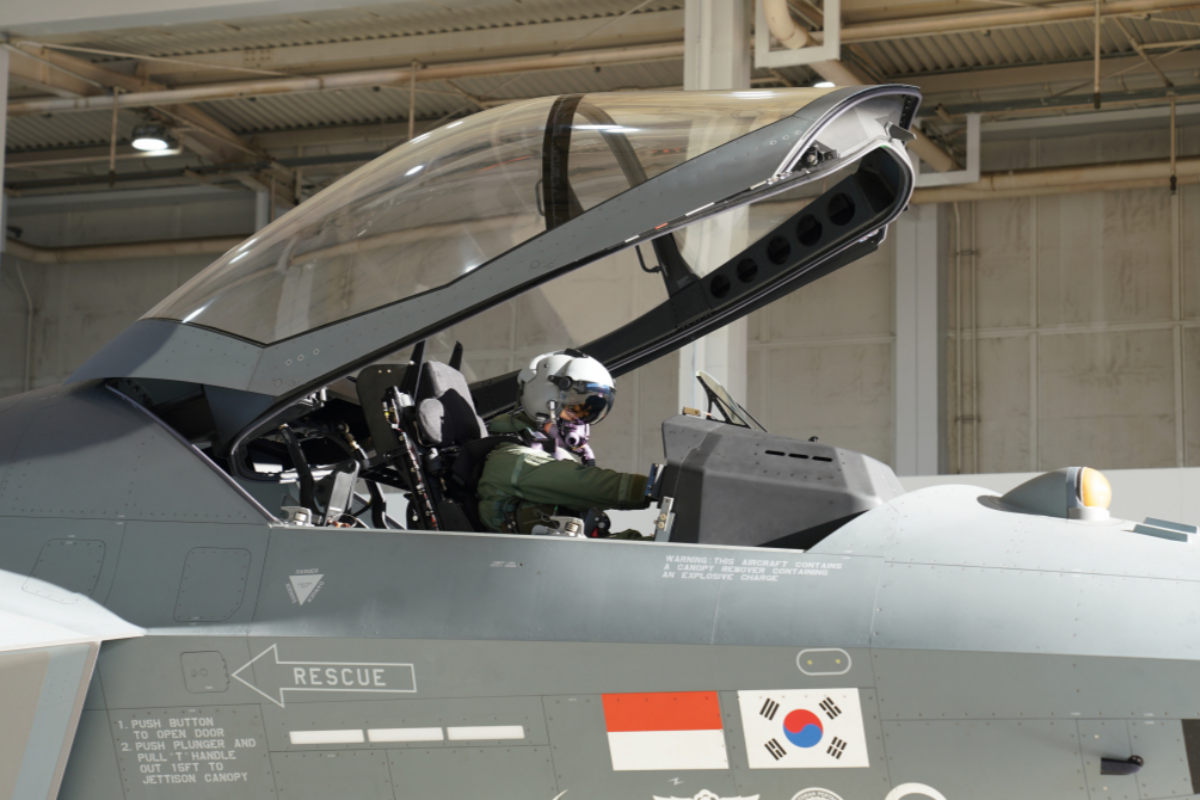
Trust forged by a 42-month, 1,600-flight accident-free run
According to the Defense Acquisition Program Administration and Korea Aerospace Industries (KAI), the KF-21 logged roughly 1,600 test flights over 42 months since its first sortie in 2022. Test crews completed key tasks — supersonic runs, high-altitude maneuvers, air-to-air missile separation, aerial refueling, and radar and electronic-warfare trials — without an accident. That reliability allowed development testing to wrap up effectively in early 2026. The first production aircraft will roll out about 10 months ahead of schedule and is slated for initial delivery to the Air Force’s 16th Fighter Wing in Yecheon in September 2026. The program roadmap anticipates a combined total of 120 aircraft to enter service by 2032.
Southeast Asia turns into a KF-21 bidding arena — Philippines and Malaysia line up
Word that the program had transitioned successfully into production triggered immediate interest from regional buyers. The Philippines, which already flies the FA-50PH and has operational experience with Korean platforms, is exploring the purchase of 16–20 KF-21s with deliveries potentially starting between 2027 and 2029. Malaysia, after moving to acquire 18 FA-50Ms for light-attack roles, is now evaluating the KF-21 as a candidate to replace aging F/A-18Ds and Su-30MKMs in its MRCA program. Analysts say both governments have effectively stepped away from Chinese J-10 and second‑hand fighter options, favoring a Korean platform that offers proven operational experience at a competitive price.
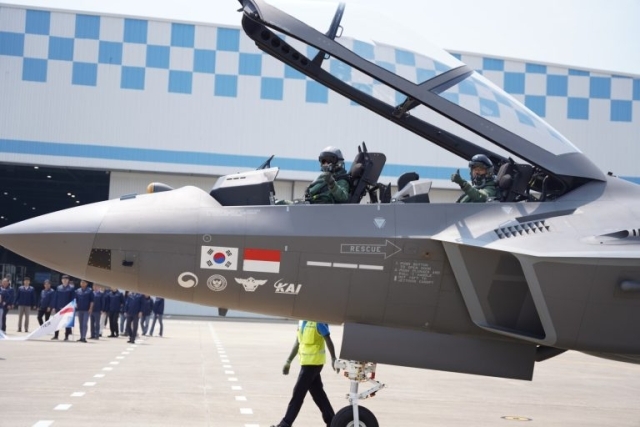
Indonesia's missed payments cost it prototypes and tech transfer
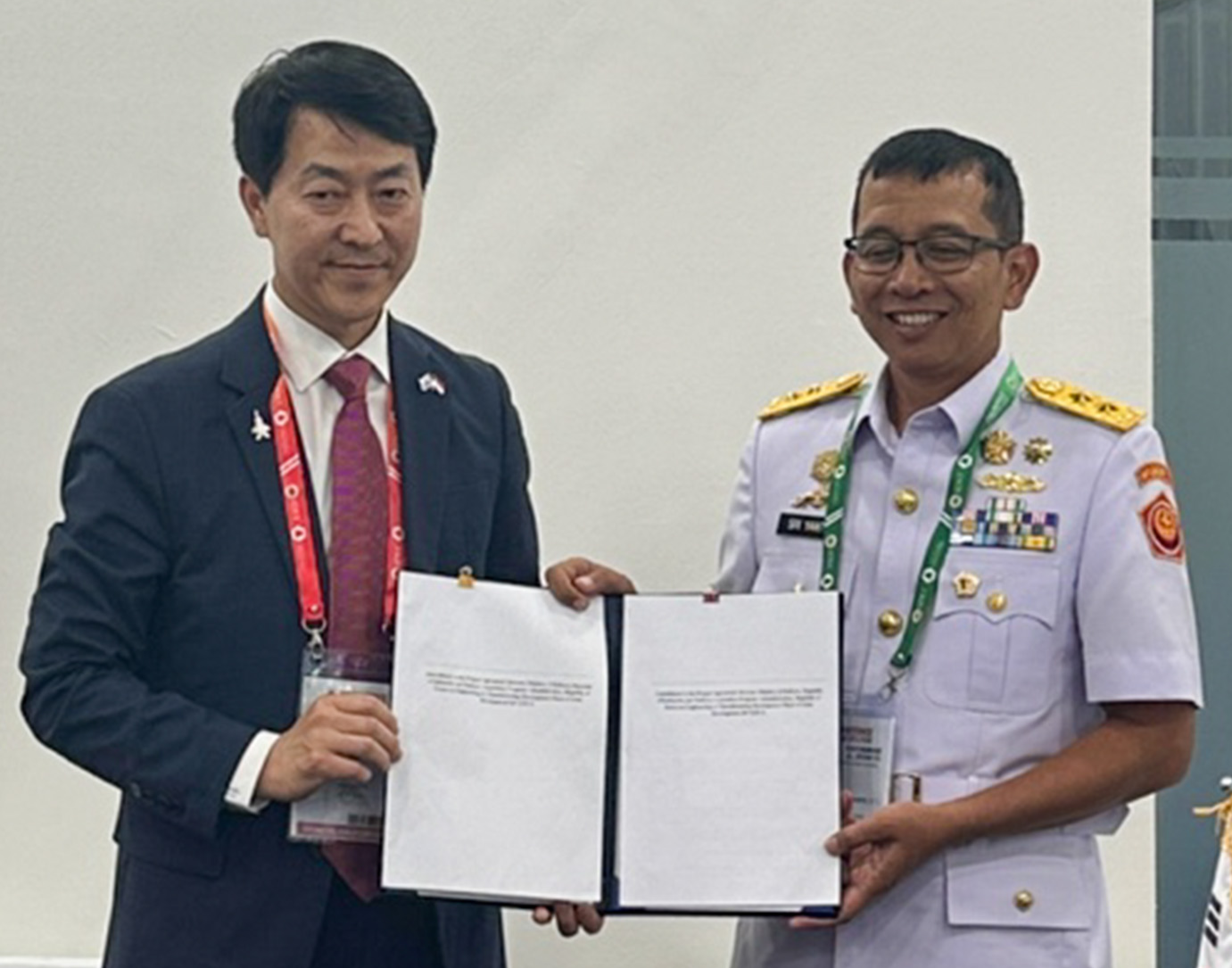
Indonesia initially signed on as a KF-21 co-developer, agreeing to cover 20% of development costs in return for one prototype (the fifth aircraft) and technology transfer. After 2017, however, Jakarta delayed payments and repeatedly sought reductions in its obligation, stalling negotiations into the mid-2020s. In 2025 a renegotiation cut its contribution from about 1.76 trillion KRW (1.32 billion USD) to roughly 600 billion KRW (450 million USD), but the reduced settlement came with a steep price: prototype delivery and core technology transfer were excluded. South Korean officials made clear they would not hand over prototypes and technology—assets valued by Seoul at roughly 6 trillion KRW (4.5 billion USD)—while development payments remained incomplete.
Trying to save 600 billion KRW (450 million USD) cost them a 6 trillion KRW (4.5 billion USD) opportunity
In practice, Indonesia used its co-developer status early on for domestic political leverage and diplomatic bargaining. But once testing stabilized and export interest surged, Jakarta found itself pushed down the list for prototype allocation and technology access. The practical outcome is that Indonesia now faces the same path as the Philippines and Malaysia: purchasing finished aircraft after Block 2, rather than receiving developmental prototypes or transferred know‑how — in other words, 'importing finished aircraft'. DAPA officials have reiterated the program’s rule: partners that fail to meet their financial obligations will not receive technology transfer or prototype priority. The message is clear — KF-21 cooperation is built on fulfilled commitments and trust.
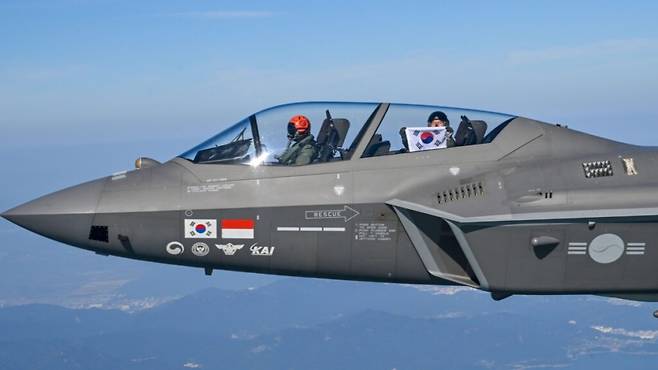
Block 1 and Block 2: the production-slot war has already begun
Production plans call for 40 Block 1 air-to-air fighters by 2028 and 80 Block 2 aircraft, optimized for air-to-ground and anti-ship missions, by 2032. Even with only the domestic order of 120 aircraft, KAI’s production line will operate at full tilt for years. Potential export customers — including the Philippines, Malaysia, Indonesia, Poland and the UAE — are already in line. That makes securing a production slot a central bargaining chip. KAI is expanding facilities to target annual output of more than 50 aircraft, but analysts say the delivery order will likely follow a simple rule for the foreseeable future: first contracts, first deliveries.
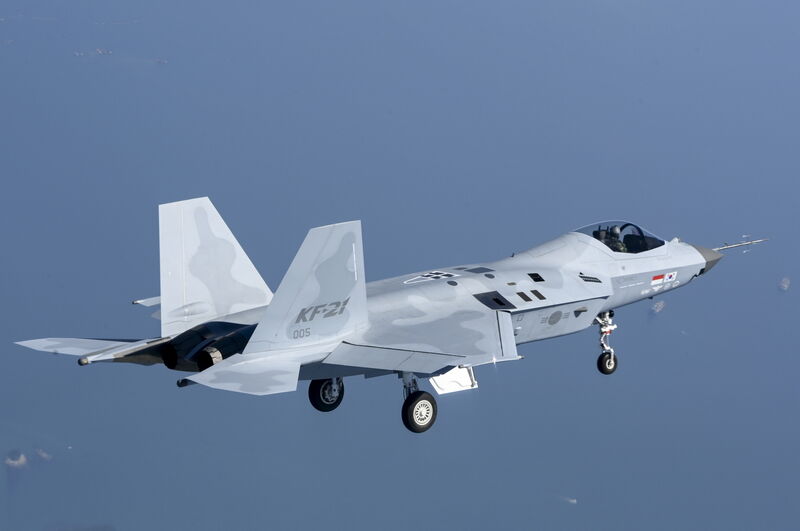
A comeback driven by best value
The KF-21’s appeal goes beyond national pride. Its airframe price is widely cited at roughly half that of an F-35 and substantially lower than a Rafale or Eurofighter Typhoon, while offering 4.5‑generation supersonic performance along with modern radar and electronic-warfare capabilities. Coupled with proven operational and maintenance experience from the FA-50 and an integrated training and sustainment ecosystem centered on Sacheon and Yecheon, the KF-21 presents a practical option for Southeast Asian and Middle Eastern air forces that must balance cost, capability, training and industrial participation.
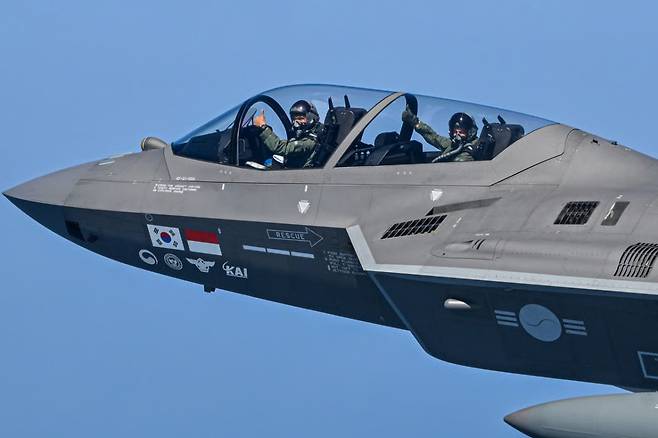
Lesson: skimp on early development and you'll pay much more later
Indonesia’s prolonged dispute over a roughly 600 billion KRW (450 million USD) co-development payment — and its eventual loss of access to technology, prototypes and priority rights valued at about 6 trillion KRW (4.5 billion USD) — could become a cautionary tale in defense cooperation. The case illustrates that avoiding early risk-sharing often leads to larger costs and lost opportunities once a program succeeds. For South Korea, the episode has reinforced a clear principle: technology and production roles go to partners who fulfill their financial commitments. Meanwhile, thanks to accident‑free testing and an accelerated move to mass production, the KF-21 is positioning itself as a new export platform for Southeast Asia, the Middle East and Europe.