Tteokbokki has officially overtaken classic Korean dishes like bulgogi and bibimbap — and even ubiquitous instant ramen — as the food foreign visitors most seek out when they visit Korea. A recent survey of tourists in Seoul found that 13.8% named tteokbokki as the item they consumed most. Experts say this shift reflects street food’s easy access and broad appeal, which have nudged aside some older favorites.
Riding the global K-food wave, Korea’s signature street snack tteokbokki has become a viral hit among foreigners — fueled in large part by spicy-eating challenges. YouTube, TikTok and other platforms are packed with reaction videos of people trying the fiery Korean version and sharing their responses. For many travelers, tteokbokki has become a must-try culinary moment.
That craze springs from a social-media culture of “leveling up” through heat: from milder takes with less gochujang to extreme versions amped up with extra capsaicin. Clips of people tackling sauce-soaked rice cakes, tearing up and sweating, rack up huge views. The popular “cheese hack” — adding melted cheese to tame the burn and boost richness — has also spread as a handy tip, widening the dish’s appeal.
Media exposure played a decisive role in popularizing tteokbokki. TV shows like tvN’s variety show "Seojin-ine" showcased tteokbokki and kimbap in Bacalar, Mexico, helping local viewers and the global audience get familiar with the dishes. Watching hosts cook and sell tteokbokki framed it as a warm, everyday Korean comfort food. Earlier, when BTS’s Jimin was seen enjoying tteokbokki at a Dongdaemun street stall in 2019, social-media buzz gave the trend an extra push.
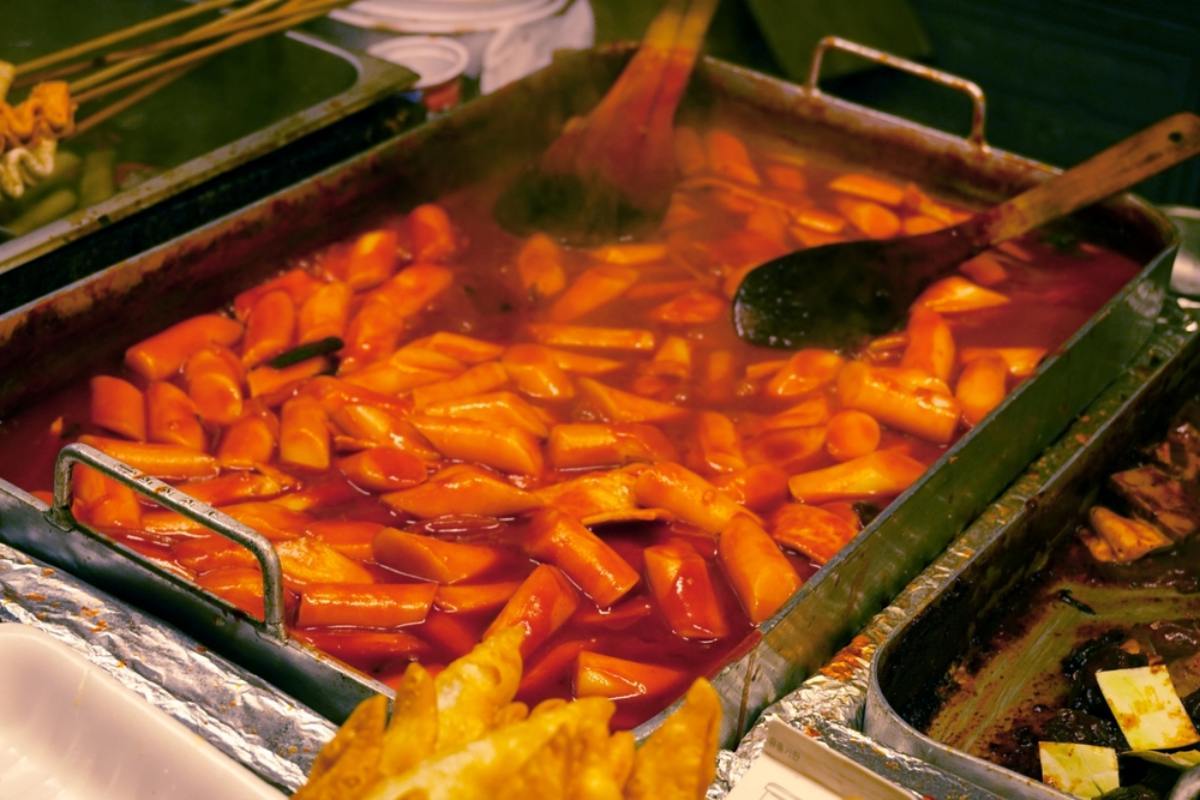
Tteokbokki’s charm also comes from its adaptability. Beyond the traditional gochujang base, modern reinterpretations using jajang (black bean), rosé and mala sauces make it more approachable for visitors who aren’t used to intense heat. The rice cakes’ chewy texture, once unfamiliar to some, is now prized as a unique culinary experience. Affordable prices and widespread availability across central Seoul are other key reasons tourists flock to it.
The trend shows up in hard numbers. A recent survey ranked tteokbokki first (13.8%) among foods most consumed by foreign tourists in Seoul, outpacing traditional Korean staples like kimchi and bulgogi — a clear sign of street food’s strong accessibility. Export figures are positive too: the Korea International Trade Association reported that processed rice-product exports, the main ingredient for tteokbokki, reached $145.95 million last year, a record high. The surge reflects wider distribution of easy-to-prepare meal kits and cup-style tteokbokki ready-meals (HMR).
Tourism officials say the buzz around tteokbokki on social media and other media has moved beyond a passing trend and become a way for visitors to experience Korea’s distinctive spicy flavors. Treating the heat challenge as a playful rite — and posting the results online — has turned it into entertainment, so global demand for tteokbokki is expected to remain strong.
Your daily horoscope report! How will your day go?