|
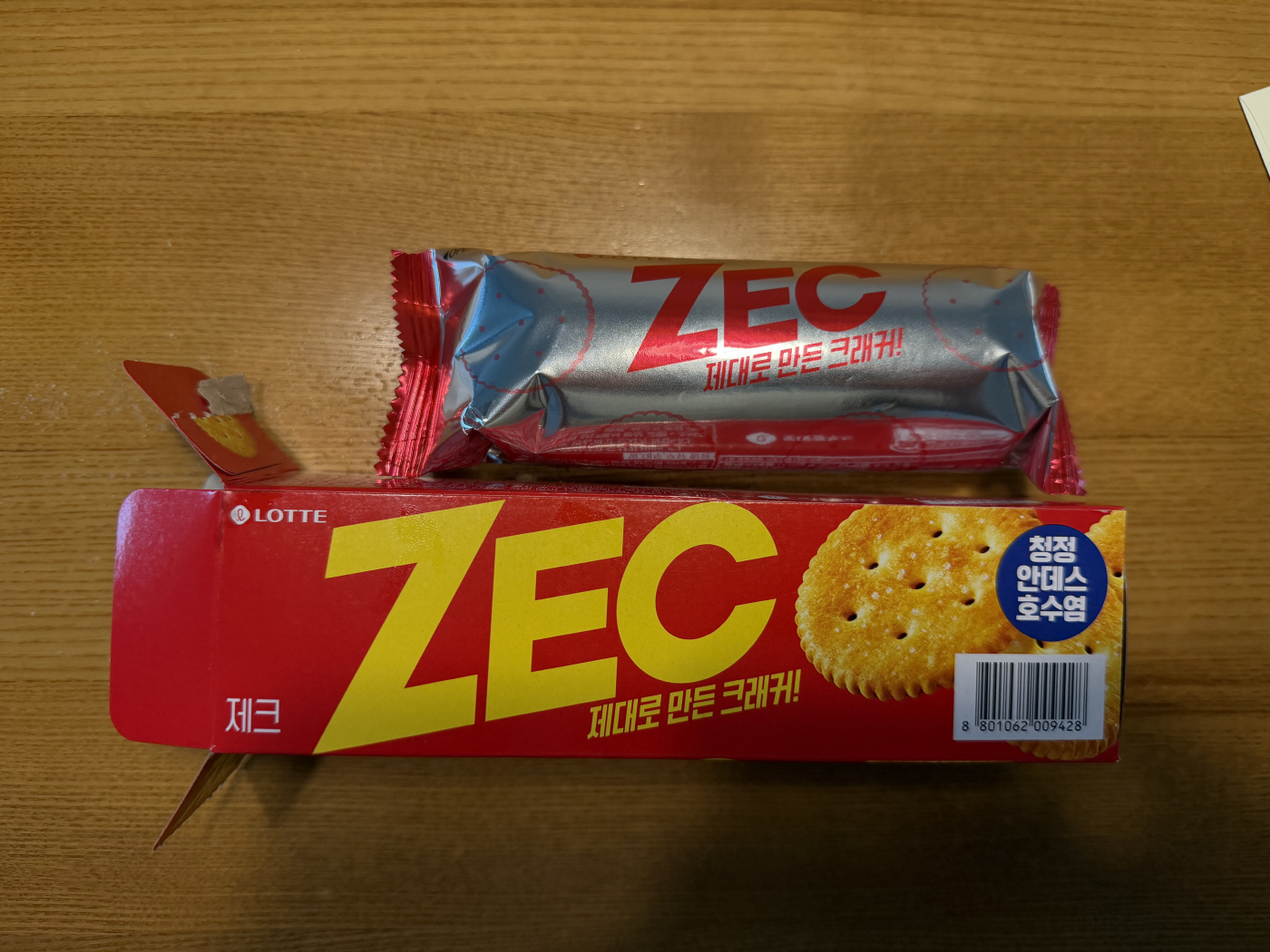
Photos sent to Asia Today on March 30 reveal a startling amount of empty space inside Jek’s paper box. Even if some padding is meant to prevent damage, critics say the outer box is far bigger than the contents require.
The debate over so-called “nitrogen-packed” or “paper” snacks isn’t new. Under South Korea’s Ministry of Environment rules on packaging materials and methods, confectionery packaging may allocate no more than 20% of its space to air — or 35% for air-injected packs. Manufacturers counter that buffer space is necessary to prevent breakage and keep products fresh during distribution. Analysts say many companies meet the letter of those rules or invoke the product-protection exception, which effectively lets oversized packaging persist.
As major food brands shift to greener materials, critics say the actual package design also needs a rethink. The industry has tried fixes like water-based inks and smaller plastic trays, but package volume and double-wrapping remain unresolved challenges.
Some observers argue that over-the-top packaging is being used to mask shrinkflation — keeping box dimensions the same while shrinking the product inside. They say brands have repeatedly passed rising raw-material costs to consumers by leaving outer packaging specs unchanged and reducing the internal contents.
Critics warn that unless companies actually cut packaging volume or replace double-packaging with a single-structure design, swapping materials alone will look like greenwashing. At a moment when ESG authenticity matters for corporate value beyond financials, eco-friendly moves that consumers can’t see risk eroding brand trust and complicating long-term governance.
A Lotte Wellfood spokesperson said, "This product is a single-item package containing 65g (about 2.3 oz). Because of the product’s characteristics, this packaging is necessary to prevent breakage during transport and storage."