Value-up · Brand-up · Startups… Three-stage support
Targeting halal, inner-beauty and street food
Targeting halal, inner-beauty and street food
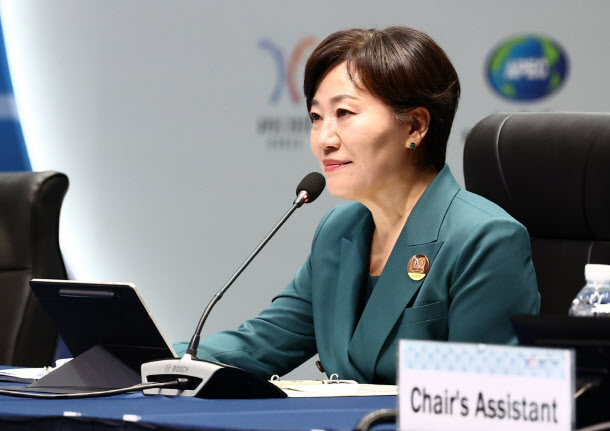
On the 9th, the Ministry of Agriculture, Food and Rural Affairs announced it had selected 145 companies for the Global NEXT K‑Food Project and will begin full implementation.
The program sorts companies into three tracks—Value-up, Brand-up and Start-up—and offers tailored support based on each firm’s export capabilities. Officials say the goal is to expand real export results this year through region-specific marketing and product development.
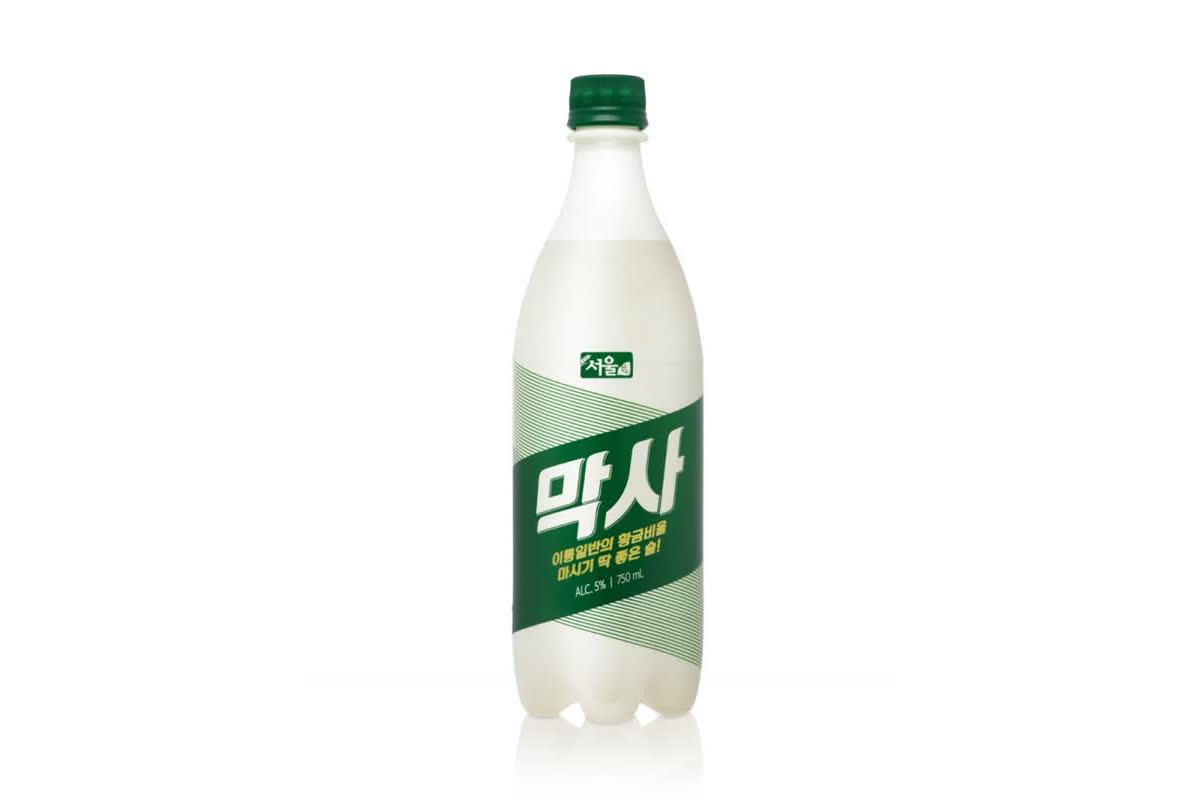
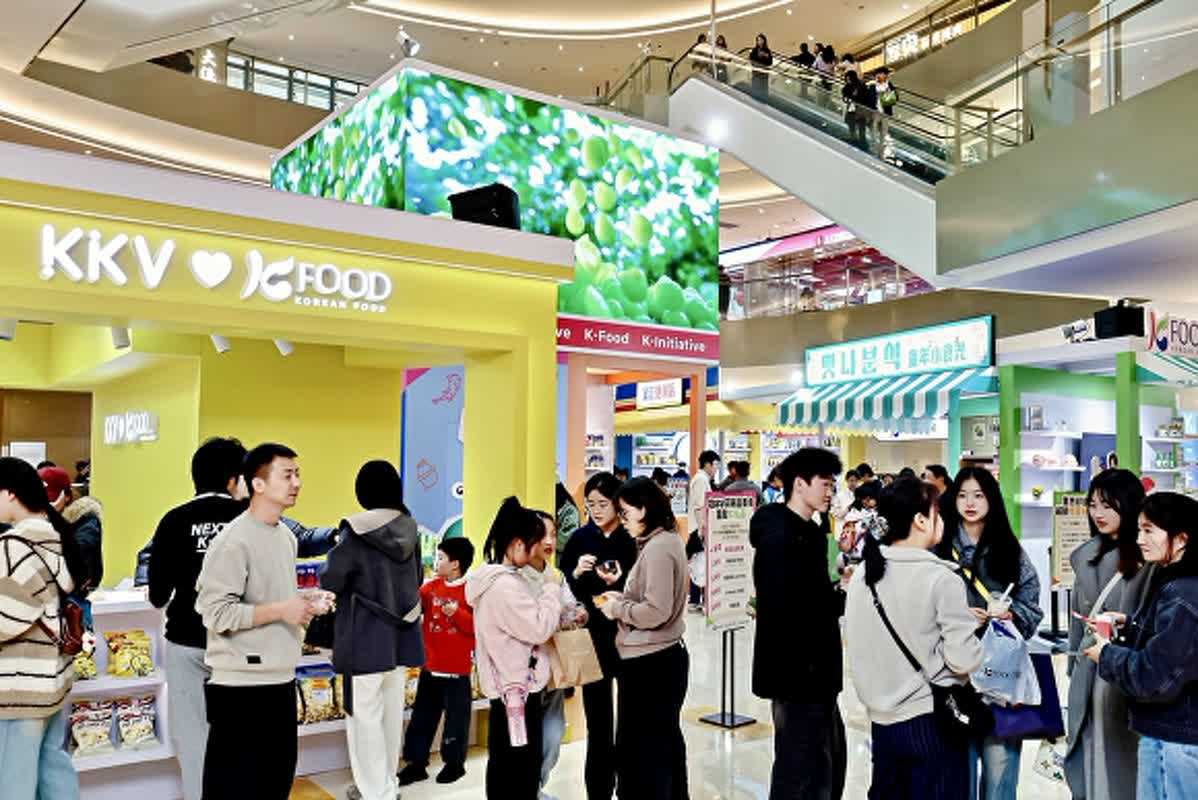
In the Value-up track, large and mid-sized firms will form consortia with small businesses to run joint overseas marketing. For example, a small brewery could team up with an exporter to place Korean liquor on the menus of upscale U.S. restaurants, or organizers could stage K‑Restaurant Week pop-ups that pair Korean dishes with local dining scenes.
Strategies are also fine-tuned by region. In ASEAN, the focus will be experiential campaigns that pair halal-certified products with favorites like tteokbokki and banana‑flavored milk. In Latin America, the push centers on street food—think cupbap and gim‑mari. Japan and China will be targeted with functional foods such as collagen and protein drinks, while Oceania outreach will emphasize fermented foods and gluten‑free offerings.
In the Start-up track, support will go to new products like low‑sugar syrups made from functional rice, food‑printing–based rice chips, and shelf‑stable ready meals featuring siraegi (dried radish greens). Product upgrades and packaging strategies aligned with consumer trends will run in parallel.
Officials describe the initiative as a follow-up to the government’s K‑food export strategy, aimed at boosting exports by developing region-specific strategic items. With export conditions uncertain due to outside factors such as tensions in the Middle East, the ministry says the plan seeks both market diversification and stronger product competitiveness.