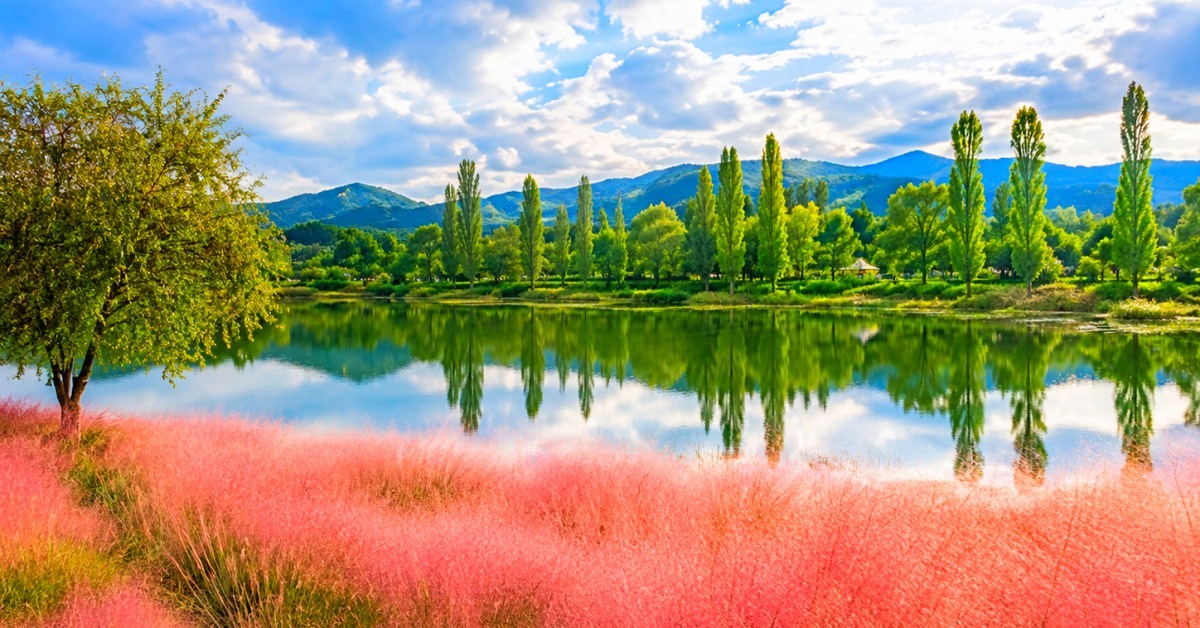
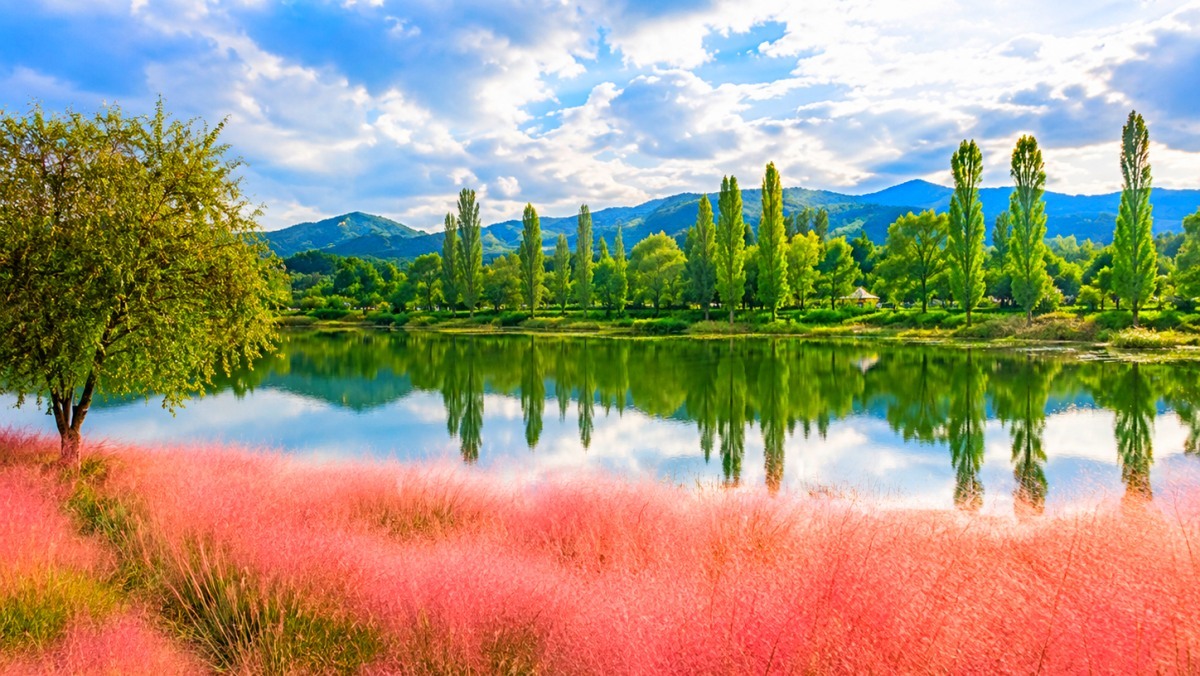
Once an abandoned sandbar, Jara Island in Gapyeong, Gyeonggi Province, transforms into a riot of spring color every May. What used to be scrubby wasteland now attracts hundreds of thousands of visitors each year and has become a must-see eco-tourism spot. The Jara Island Spring Flower Festa—where the Bukhan River’s green currents meet sweeping fields of red poppies—is ready to welcome springtime visitors again.
The history and features of the 'Jara Island Spring Flower Festa'
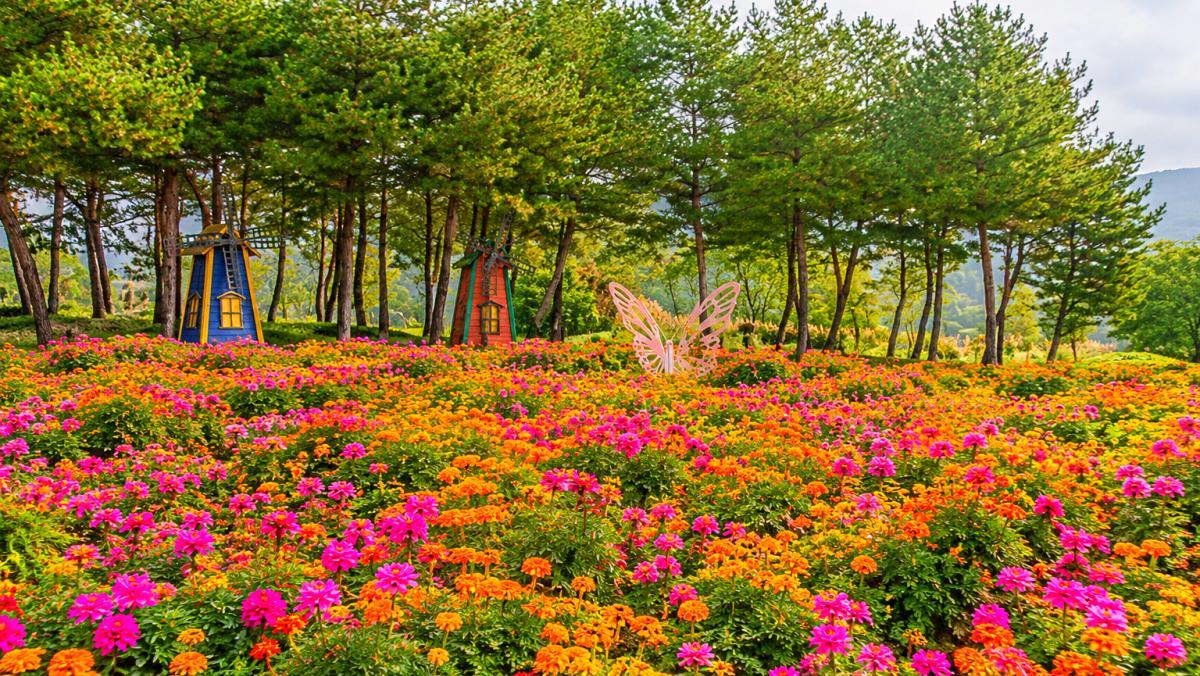
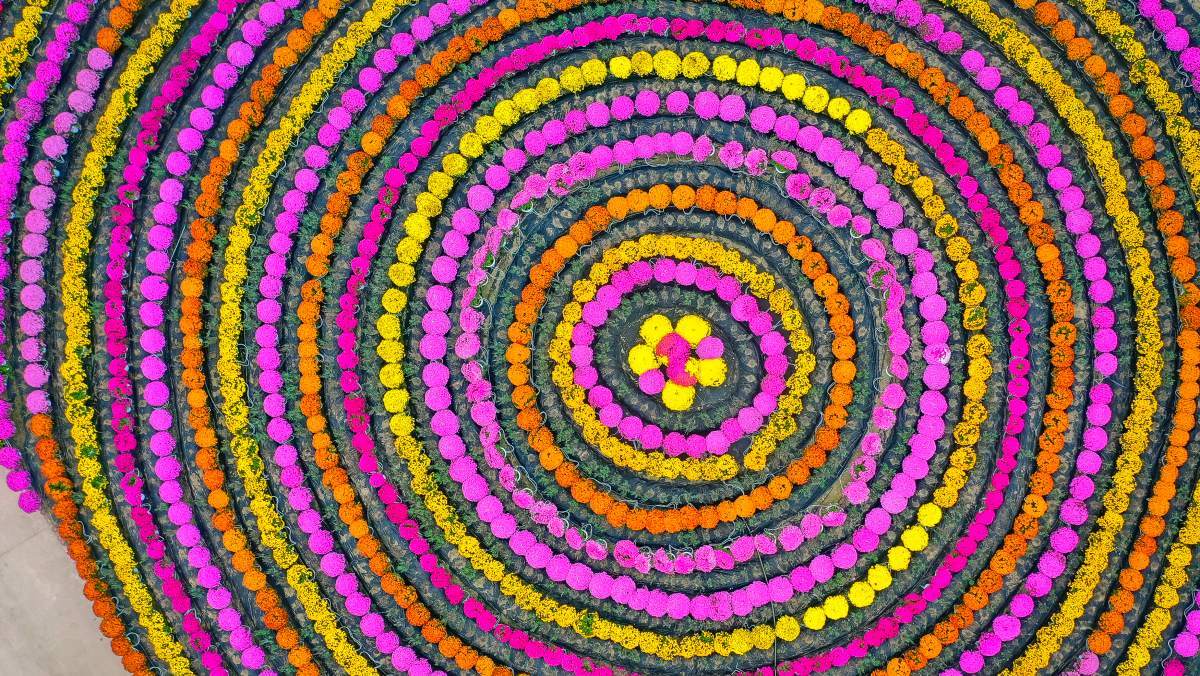
The Jara Island Spring Flower Festa isn’t just another municipal event—it’s a feel-good comeback story. A few years ago, Namdo on Jara Island was regularly flooded and largely unused. Gapyeong County began turning that fallow land into flower gardens in 2019, and the festival’s thoughtful programming earned it designation as a Gyeonggi Representative Tourism Festival three years running.
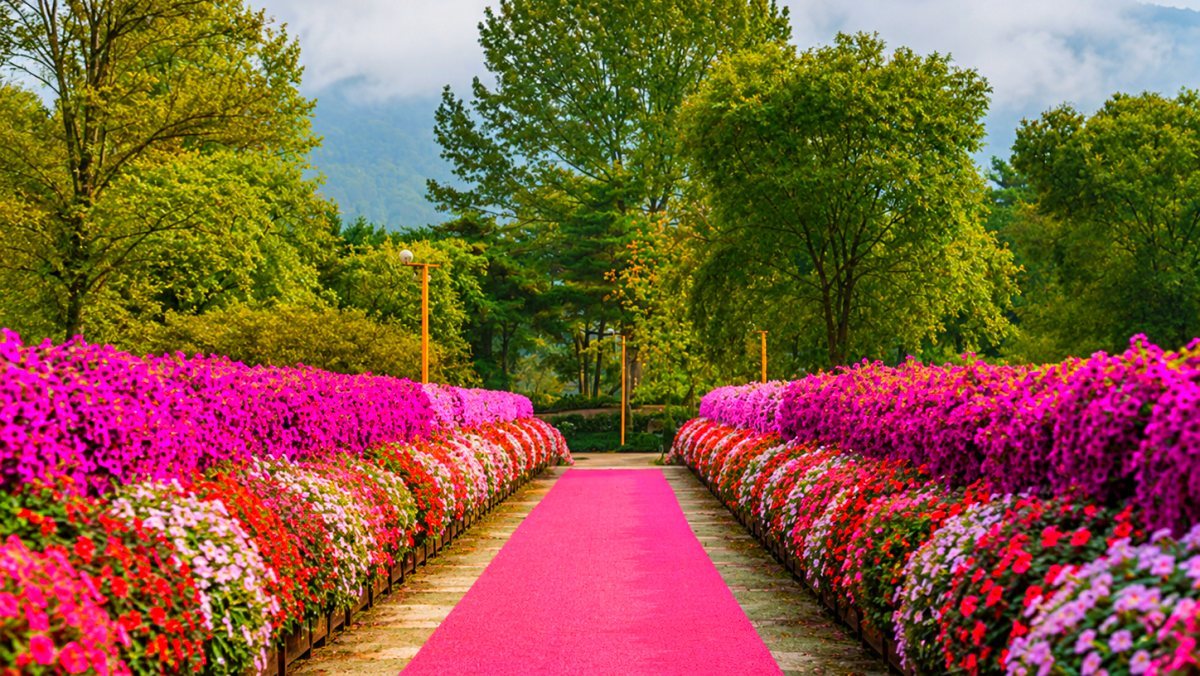
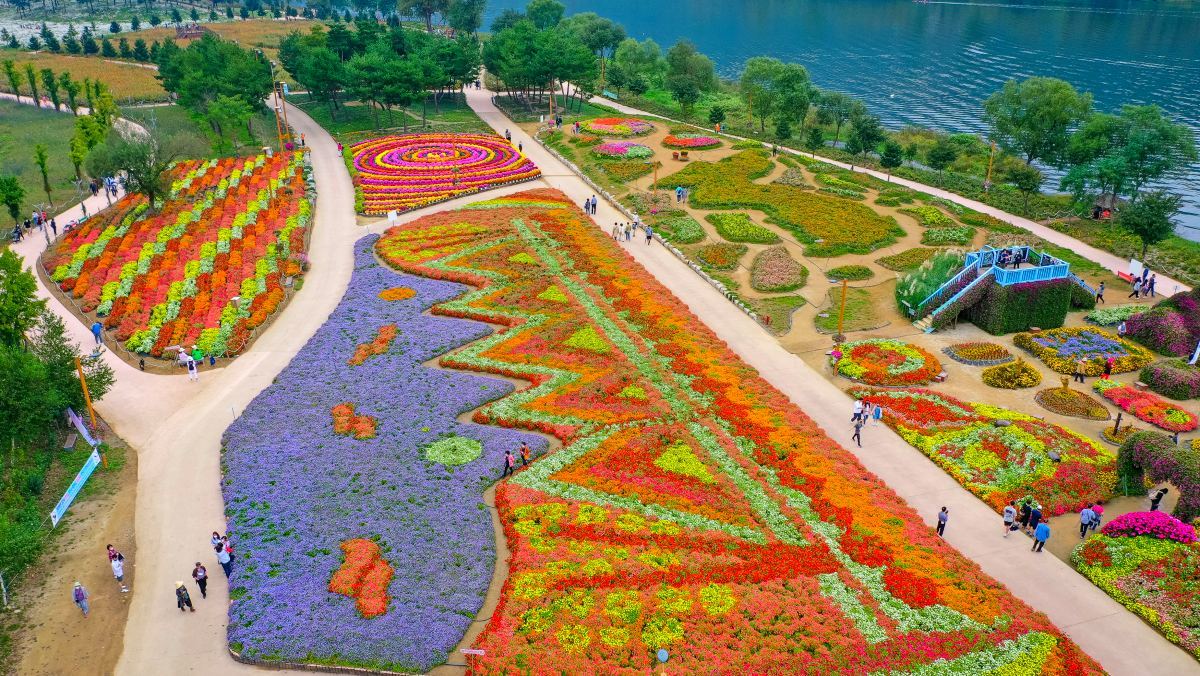
On the expansive Namdo area—about 110,000 m² (roughly 1.18 million sq ft / 27.2 acres; about 33,000 pyeong)—tens of thousands of spring blooms, from poppies and canola to cornflowers and petunias, create a stunning panorama. The festival goes beyond simple planting: each garden is staged with storytelling in mind.
Highlights include the Garden of Friendship, honoring allied nations that fought in the Battle of Gapyeong during the Korean War, and a whimsical Rainbow Garden featuring the county’s mascots—both leaving a memorable impression on visitors.
The island’s signature poppies turn Namdo crimson every May. Also drawing crowds is a purple-tinged canola variety—unlike the usual yellow—that’s become a social media darling among young people.
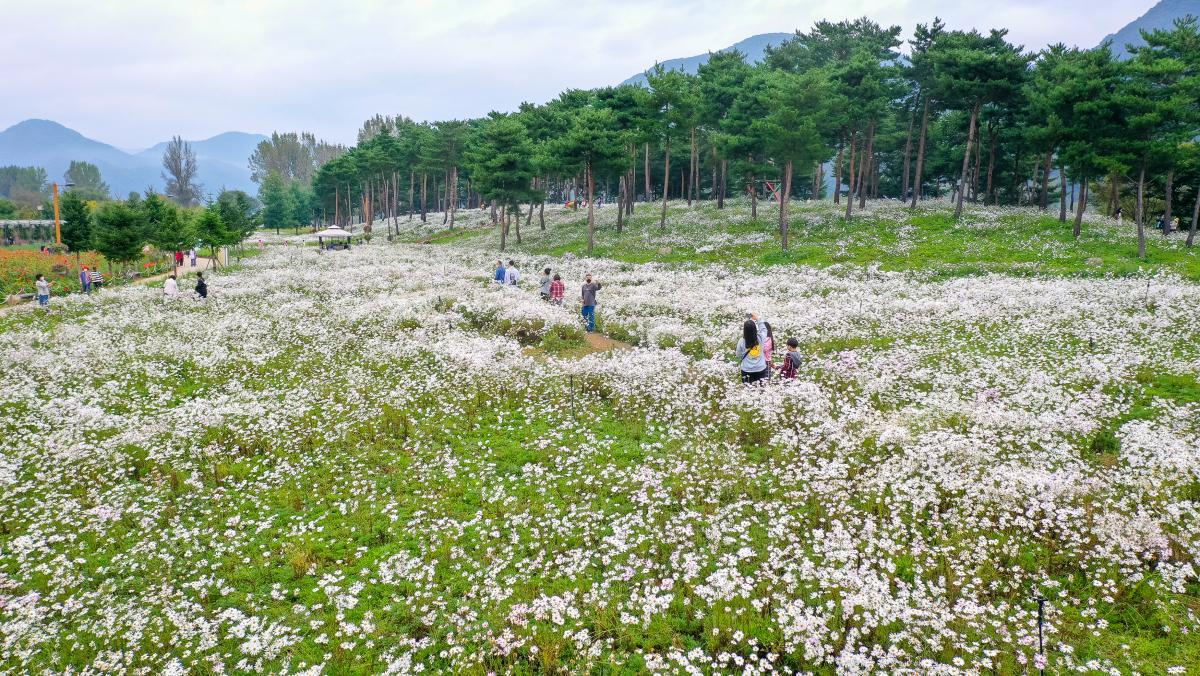
This year’s festival is themed "A Voyage of Splendid Flowers on Blue Waves" and promises a lineup of activities designed to make spring memories.
Photo zones for Instagram-worthy shots dot the grounds, while street performances and balloon art entertain on weekends and holidays. Guided “healing” walking tours led by cultural tourism interpreters, multicultural experience booths, and food vendors near the Jararu dock round out the experience.
Free electric shuttles run from the Gapyeong rail bike area to the Jara Island entrance and Namdo entrance. The festival runs from 8:00 a.m. to 6:00 p.m. Admission is 7,000 KRW (approximately 5.25 USD; visitors receive 5,000 KRW (approximately 3.75 USD) back as a Gapyeong Love gift certificate). Gapyeong residents and children 5 and under enter free.
The gift certificate can be used at festival booths selling local agricultural products and food, as well as at nearby restaurants and cafes. Showing your ticket also gets you discounts at 13 nearby attractions, including Petite France, the Italian Village, Gapyeong Rail Bike, Bridge Zipline, and the Garden of Morning Calm.
Jara Island — the turtle-shaped isle
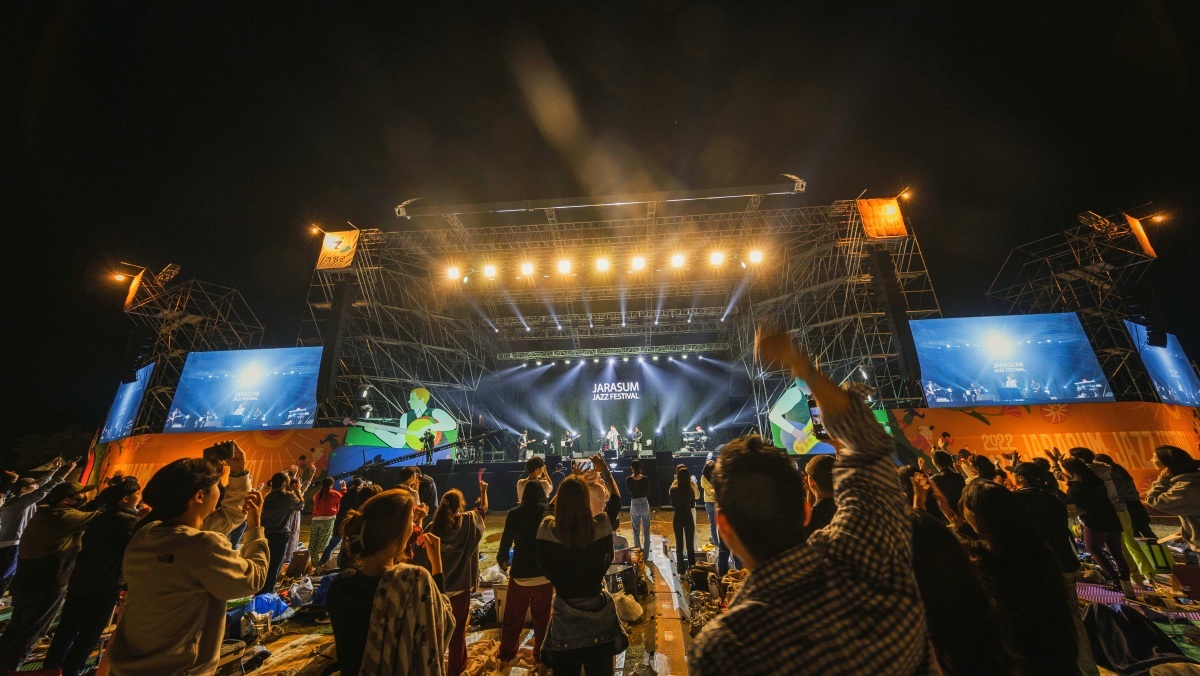
Situated in Daljeon-ri, Gapyeong-eup, Jara Island gets its name from its turtle-like silhouette. It wasn’t always called that. When the Cheongpyeong Dam was completed in 1943 and the Bukhan River’s waters rose to form the island, locals called it "Chinese Island" because Chinese farmers once grew watermelons and melons there. In 1986, Gapyeong County officially renamed it Jara Island.
The island’s geography is distinctive: four islets—Dongdo, Seodo, Jungdo, and Namdo—are linked by causeways. Jara covers about 660,000 m² (roughly 7.10 million sq ft / 163 acres), about 1.5 times the size of nearby Nami Island.
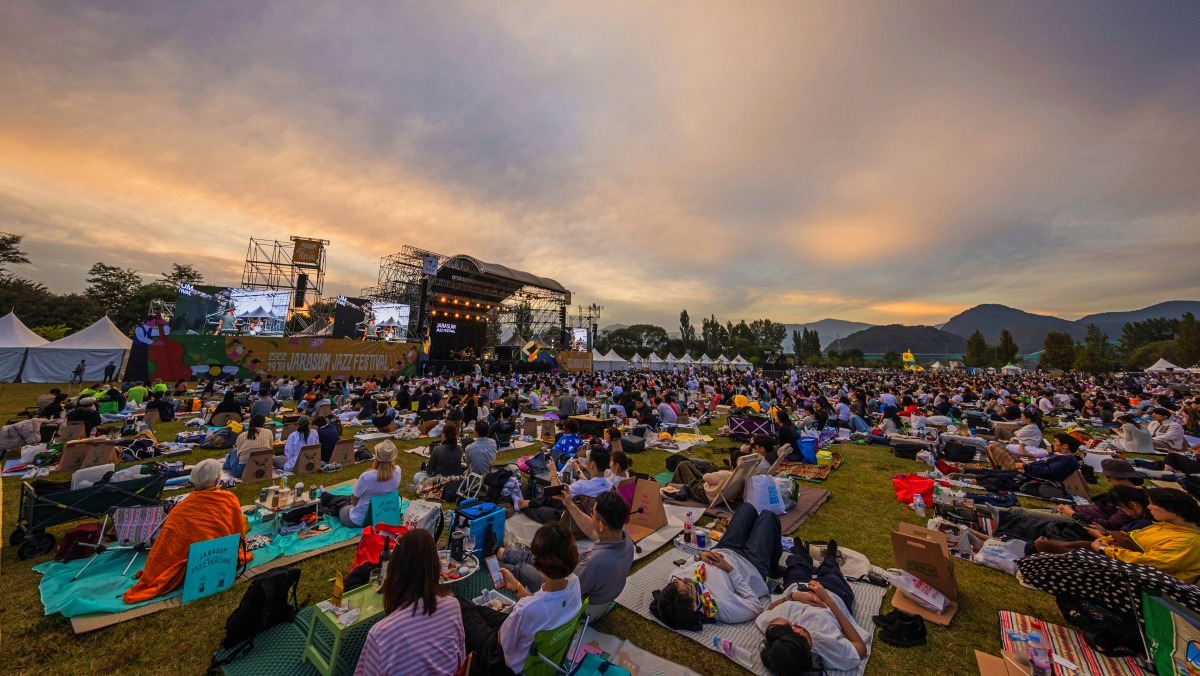
Each islet has its own vibe. Seodo hosts an auto-camping site and an indoor botanical garden called Ihwawon, making it a favorite for campers. Jungdo boasts a wide grass plaza and serves as the main stage each fall for the internationally recognized Jara Island International Jazz Festival.
Namdo—the heart of the spring flower festival—lies at the island’s innermost point and offers sweeping views of the Bukhan River. Because the island’s ecology formed naturally, development is kept minimal to preserve the trees, flowers, and river scenery.
Jara Island can flood when river levels rise, but those periodic inundations leave behind fertile soil that helps the flowers bloom in vivid, saturated colors.
Getting there and visitor tips
Jara Island is easy to reach from the greater Seoul area by public transit. If you drive, take the Seoul–Chuncheon Expressway to Gapyeong-eup, but consider the train to avoid festival traffic.
Take the ITX-Cheongchun and you’ll reach Gapyeong Station from Yongsan in about an hour, or from Cheongnyangni in roughly 40 minutes.
From Gapyeong Station on the Gyeongchun Line, it’s a flat, pleasant 15–20 minute walk to the Jara Island entrance—perfect for a short stroll in the fresh air.
If you come by intercity bus, catch a bus from Dongseoul Terminal or Jamsil Station to Gapyeong Terminal, then continue by taxi or on foot.
Jara Island is open daily from 8:00 a.m. to 6:00 p.m., and the late-afternoon light gives the flower paths a truly romantic glow. Boat service between Jara Island and Nami Island has resumed, making it easy to enjoy both islands in one trip.
Check Gapyeong County’s website or related apps before you go for up-to-date parking info and performance schedules to get the most out of your visit.
A local cultural haven where past and present coexist
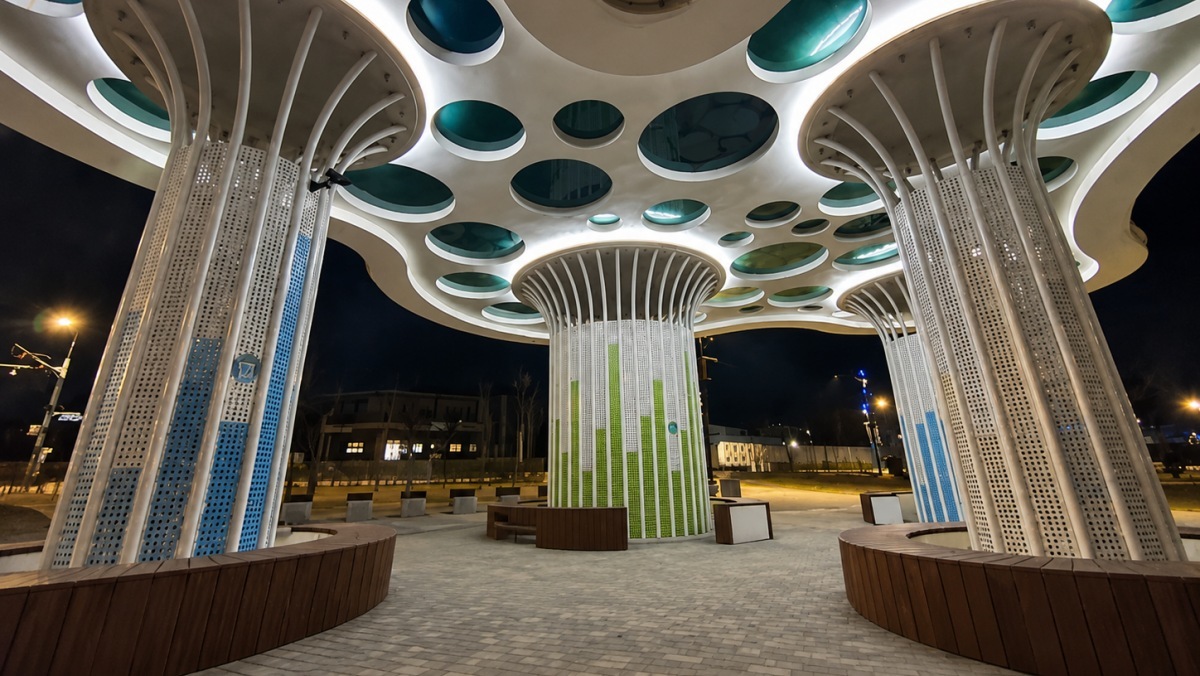
Music Station 1939, located near Jara Island, takes its name from the historic Gapyeong Station that first opened here.
The original Gapyeong Station opened in 1939 and served as the town’s gateway for more than 70 years. When it closed in 2010 due to the Gyeongchun Line’s double-track electrification, officials repurposed the site into a cultural complex.
Today, the spot blends performance venues, studios, a cinema, and walking paths into a lively local landmark. M Station features top-tier recording studios and performance halls, and a giant double-bass sculpture in the outdoor plaza captures the town’s jazz-festival spirit.
Gapyeong’s first movie theater, 1939 Cinema, also operates on-site. It’s modest—two screens—but it offers locals affordable access to new releases where there’s no large multiplex nearby.
After soaking up Jara Island’s colorful blooms, head here for mellow music and striking architecture. A walking trail repurposed from the old railbed leads toward Jara Island, and you can spot remnants of the old Gyeongchun Line, including unused railway bridges that evoke the route’s history.
Music Station 1939 is open from 9:00 a.m. to 10:00 p.m. For details, check the official website.