Individual Korean researchers are world-class. However, they have not yet formed the clusters needed to achieve collective excellence.
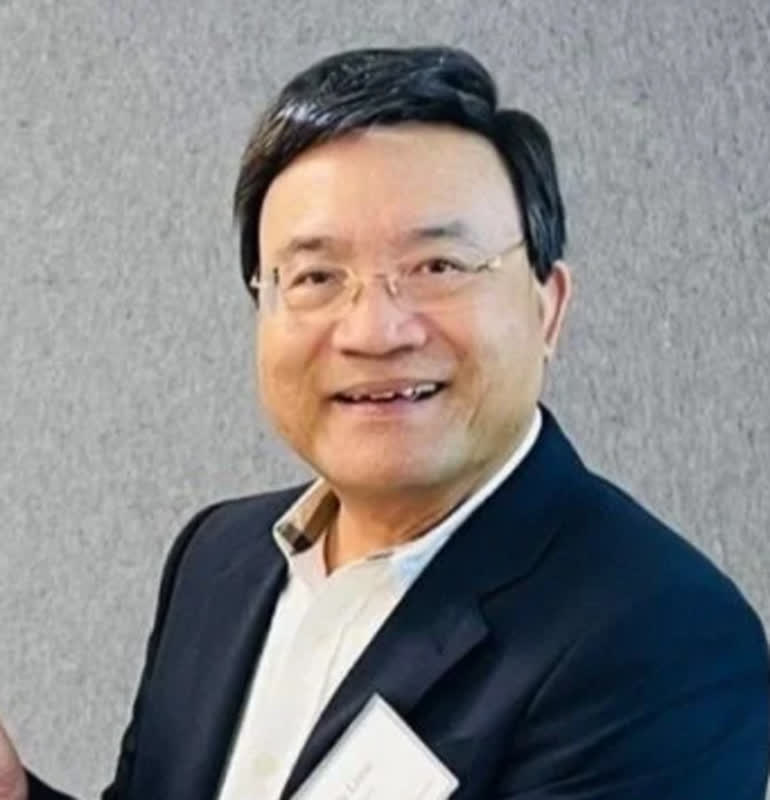
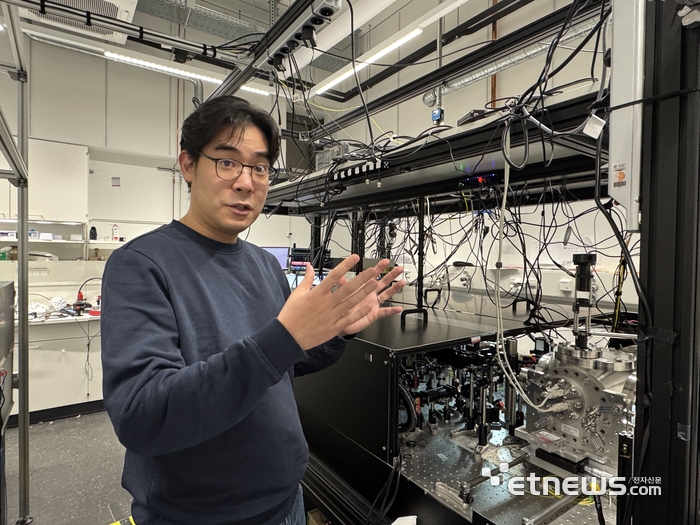
Seong-Geun Hong, a professor of quantum physics at the University of Stuttgart, made this assessment of South Korea's science and technology competitiveness.
Hong cited the strength of individual researchers, noting that Korean teams have recently produced internationally significant results in cutting-edge fields such as quantum technologies.
He warned that individual excellence has not translated into a competitive research ecosystem. He emphasized that Germany's broader career pathways for researchers are a central element of talent-development policy.
In Germany and across Europe, researchers have many more career options, he explained. Being a professor is not the only route; there are alternatives, including permanent research positions. PhD-level researchers who do not secure faculty appointments can continue pursuing research careers.
German research institutions also provide early-career scholars with opportunities to lead independent research groups. Hong pointed to organizations such as the German Research Foundation (DFG) and the European Research Council, which fund young investigators to conduct independent research for several years — creating an environment that supports ambitious, higher-risk projects.
He also noted that Germany's industrial structure plays a key role in developing and deploying scientific talent. A large number of mid-sized, high-technology firms—such as the optics company Carl Zeiss—offer pathways for PhD researchers to move into industry and apply their expertise.
Unlike South Korea, where PhD talent tends to concentrate at a small number of conglomerates, Hong said Germany's infrastructure channels researchers into a diverse array of advanced mid-sized companies.
He urged that South Korea rethink its talent policies, expanding them from support for individual researchers to deliberate research-ecosystem design.
South Korea already has a substantial pool of excellent researchers, he said, so policymakers should focus on creating structures that encourage collaboration and generate synergies. That includes designing industry-linked clusters that enable these talents to build collective competitiveness.
Germany = Reporter In-hee Lee leeih@etnews.com