I received another round of DMs today. Let’s open the first one. ▶ “Assistant manager: 50,000 KRW ($37.50)” — wedding gift amounts posted in a group chat spark controversy. People often agonize over wedding gifts: how close they are to the couple, and what their budget allows. A post on an online forum said a company group chat revealed exactly how much each employee gave. According to the post, a team member got married and an employee in charge collected the money and delivered it as a pooled gift. The problem came afterward: someone posted a list in the company chat with each giver’s name and the exact amount they contributed. The author said they thought they had misread it at first and felt embarrassed. Although others treated it as no big deal, the poster complained that the list made clear who gave more or less and created an awkward atmosphere. Colleagues became self-conscious, and tension followed. Comments ranged from “Posting amounts where everyone can see them is unacceptable” to “If you’re managing pooled money, transparency prevents gossip.” The author asked whether sharing everyone’s contribution at work is normal or crosses a line. What do you think? Now for the second DM. ▶ “We watch each other’s daily lives before meeting” — an informed approach to blind dates. As social norms accelerate, dating culture has kept pace. A Gen Z-style blind-date trend lets people observe a potential date’s everyday life before meeting. Here’s how it works: organizers invite interested people into a group chat and, over several days, participants share short video clips of everyday moments so others can get a sense of their routines. An app that records two-second clips every hour has become popular for this; it allows up to 12 participants to post brief daily videos and get to know one another naturally. Typical setups place six men and six women in a group, let them observe one another for a set period, and then allow private invitations for in-person meetings. This format reduces the uncertainty of “Are they right for me?” and appeals to people in their 20s and 30s who prefer efficient, remote-first ways of forming relationships. It’s an inventive trend that blends familiarity with low-friction, digital-first interaction — I’ll be watching to see what comes next. Ready for the last DM? ▶ Children deliver handwritten letters to a police substation — “Here you go.” This heartwarming story carries the spirit of Children’s Day forward. In front of a police substation in Incheon, two elementary-school students hesitated, then went inside and handed officers letters they had written. The notes read, “I think being a police officer is a respectable and admirable job,” and “I know it’s dangerous, but I want to be an officer who helps people.” The officers were deeply moved. When the shy children tried to leave, the officers called them back, thanked them, and gave them whistles to wear. The children returned with snacks as a token of thanks; the officers politely declined the snacks but accepted the gesture and posed for photos, capturing a warm moment. They also let the children try on police equipment, creating a memorable experience for kids who might one day pursue law enforcement and for the officers who became role models. My take on today’s DMs: credit to the children who found the courage to visit the substation, and to the officers who welcomed them and created an unforgettable moment. Children reflect the adults around them. If we take the children’s view of us seriously and, like those officers, invest in their futures, we move closer to a better society. That’s all for today’s DMs. Yonhap News TV — article inquiries and tips: KakaoTalk/LINE jebo23 Jin Ki‑hoon (jinkh@yna.co.kr)
How Much Should You Give? The Shocking Truth About Wedding Gifts in Company Chats
Jin Ki-hoon. | 2026.05.07
I received another round of DMs today. Let’s open the first one. ▶ “Assistant manager: 50,000 KRW ($37.50)” — wedding gift amounts posted in a group chat spark controversy. People often agonize over wedding gifts: how close they are to the couple, and what their budget allows. A post on an online forum said a company group chat revealed exactly how much each employee gave. According to the post, a team member got married and an employee in charge collected the money and delivered it as a pooled gift. The problem came afterward: someone posted a list in the company chat with each giver’s name and the exact amount they contributed. The author said they thought they had misread it at first and felt embarrassed. Although others treated it as no big deal, the poster complained that the list made clear who gave more or less and created an awkward atmosphere. Colleagues became self-conscious, and tension followed. Comments ranged from “Posting amounts where everyone can see them is unacceptable” to “If you’re managing pooled money, transparency prevents gossip.” The author asked whether sharing everyone’s contribution at work is normal or crosses a line. What do you think? Now for the second DM. ▶ “We watch each other’s daily lives before meeting” — an informed approach to blind dates. As social norms accelerate, dating culture has kept pace. A Gen Z-style blind-date trend lets people observe a potential date’s everyday life before meeting. Here’s how it works: organizers invite interested people into a group chat and, over several days, participants share short video clips of everyday moments so others can get a sense of their routines. An app that records two-second clips every hour has become popular for this; it allows up to 12 participants to post brief daily videos and get to know one another naturally. Typical setups place six men and six women in a group, let them observe one another for a set period, and then allow private invitations for in-person meetings. This format reduces the uncertainty of “Are they right for me?” and appeals to people in their 20s and 30s who prefer efficient, remote-first ways of forming relationships. It’s an inventive trend that blends familiarity with low-friction, digital-first interaction — I’ll be watching to see what comes next. Ready for the last DM? ▶ Children deliver handwritten letters to a police substation — “Here you go.” This heartwarming story carries the spirit of Children’s Day forward. In front of a police substation in Incheon, two elementary-school students hesitated, then went inside and handed officers letters they had written. The notes read, “I think being a police officer is a respectable and admirable job,” and “I know it’s dangerous, but I want to be an officer who helps people.” The officers were deeply moved. When the shy children tried to leave, the officers called them back, thanked them, and gave them whistles to wear. The children returned with snacks as a token of thanks; the officers politely declined the snacks but accepted the gesture and posed for photos, capturing a warm moment. They also let the children try on police equipment, creating a memorable experience for kids who might one day pursue law enforcement and for the officers who became role models. My take on today’s DMs: credit to the children who found the courage to visit the substation, and to the officers who welcomed them and created an unforgettable moment. Children reflect the adults around them. If we take the children’s view of us seriously and, like those officers, invest in their futures, we move closer to a better society. That’s all for today’s DMs. Yonhap News TV — article inquiries and tips: KakaoTalk/LINE jebo23 Jin Ki‑hoon (jinkh@yna.co.kr)

Recommended Posts
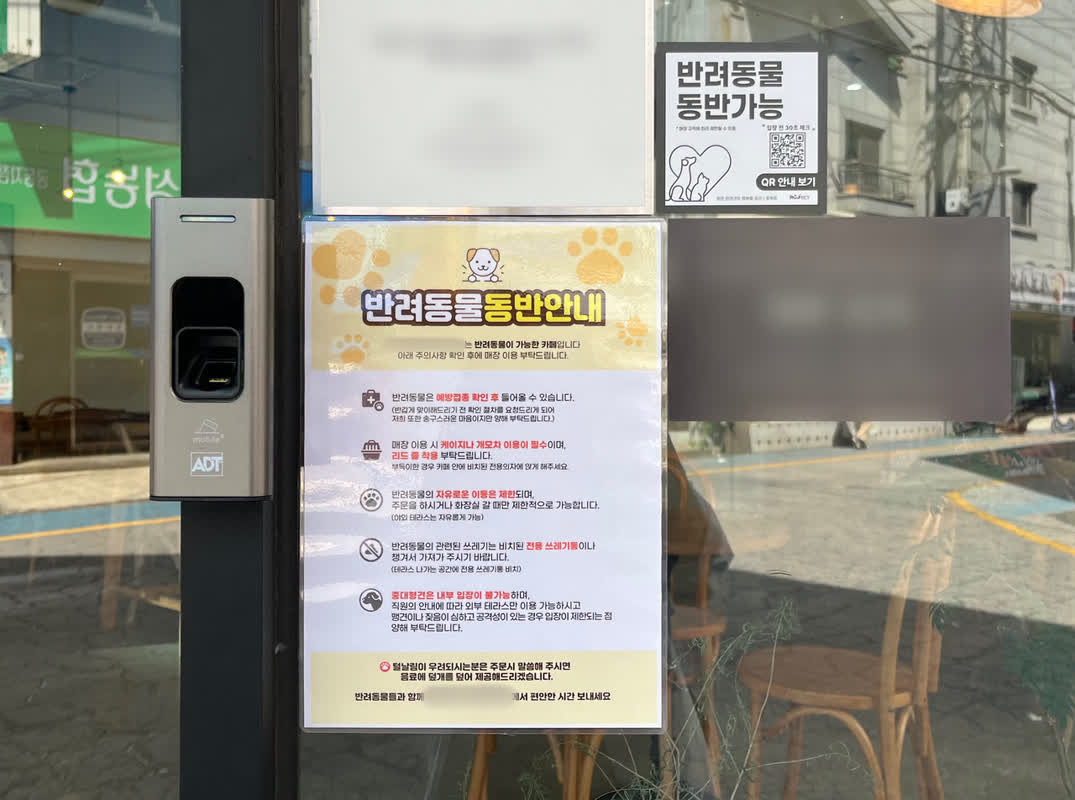
Pet-Friendly Restaurants in Daejeon: Why Only 44 Out of 24,804 Are Compliant?

Tragic Clash at Gyeongnam Protest: 1 Dead, 2 Injured in Freight Truck Incident

The Tragic Journey of a Father: 25 Years and 1.08 Million km Searching for His Missing Daughter

Remembering Jeon O-soon: A Legacy of 94 Years and Family Connections

Kim So-young's IQ Revealed: What Does It Mean for the Motel Murder Case?

Should Schools Ban Sports? The Shocking Rise of Sports Restrictions in 300+ Elementary Schools
Latest Popular Posts
Real-time TOP