[iNews24 Reporter Kim Jae-hwan] Goyang City in Gyeonggi Province held a trial ride for the autonomous bus I'M Whale at the Ilsan West District Office on the 1st, officially launching its next-generation transportation service.
The autonomous bus was introduced as part of a hub-style smart city development project funded with a total of 40.2 billion KRW (about $30,150,000) from national and municipal sources.
The arrival of this expensive new public transit system evokes memories of past light-rail failures in Yongin and Uijeongbu.
To avoid repeating those projects’ fate—becoming white elephants after costly construction, failed demand forecasts and persistent operating deficits—the autonomous bus must move beyond technological demonstration and secure genuine public buy-in.
The city plans to integrate advanced technologies across the urban environment—traffic optimization, a drone valley, autonomous driving, digital twins and a smart data platform—to improve operational efficiency and citizen convenience.
The critical factors are route designs that align with residents’ everyday needs and a flexible, data-driven response system.
Beginning in June, the city will deploy one autonomous bus on daytime routes as a free pilot service.
Daytime service will connect high-demand nodes—Daehwa Station, KINTEX, Hyundai Motorstudio Goyang and Goyang Sports Complex—to enhance local mobility for residents, workers and visitors.
In July, the city plans to expand to 24-hour operation, adding overnight runs from Daehwa Station to Hwajeong Station to fill gaps when conventional transit is limited.
I'M Whale combines the vehicle’s onboard AI-driven autonomous driving sensors with an operations system that uses traffic data, including traffic signal information and real-time road conditions.
Ultimately, success will hinge on the city’s ability to continuously adjust routes and rapidly improve services based on data gathered during operation.
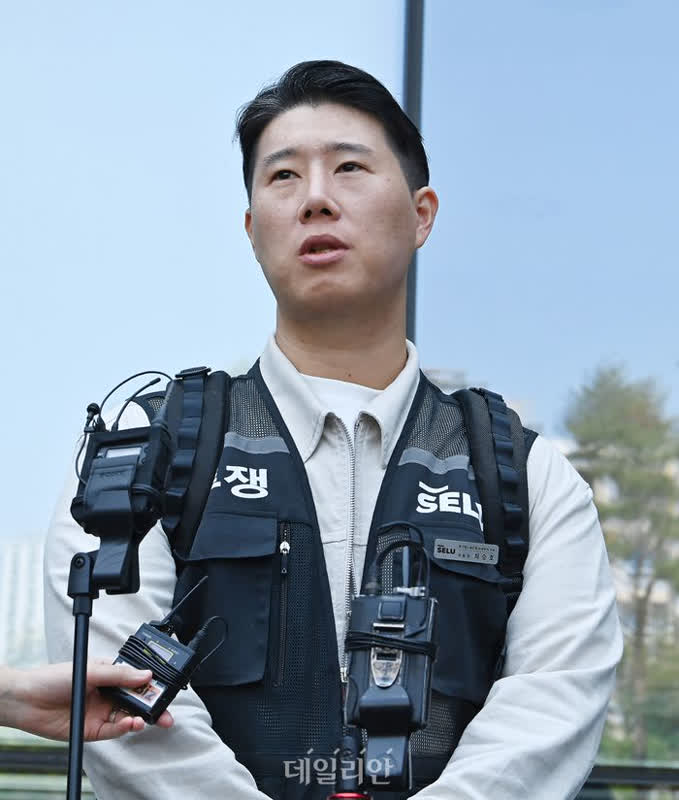
Goyang Mayor Lee Dong-hwan said, "The autonomous bus is the smart city service citizens will notice first," adding, "We will use various smart technologies to create a more convenient and safer living environment."
With advanced technology and 40.2 billion KRW (about $30,150,000) committed to the project, careful operation is essential to determine whether Goyang’s ambitious experiment becomes a model of innovative smart transit or another costly lesson in public spending.