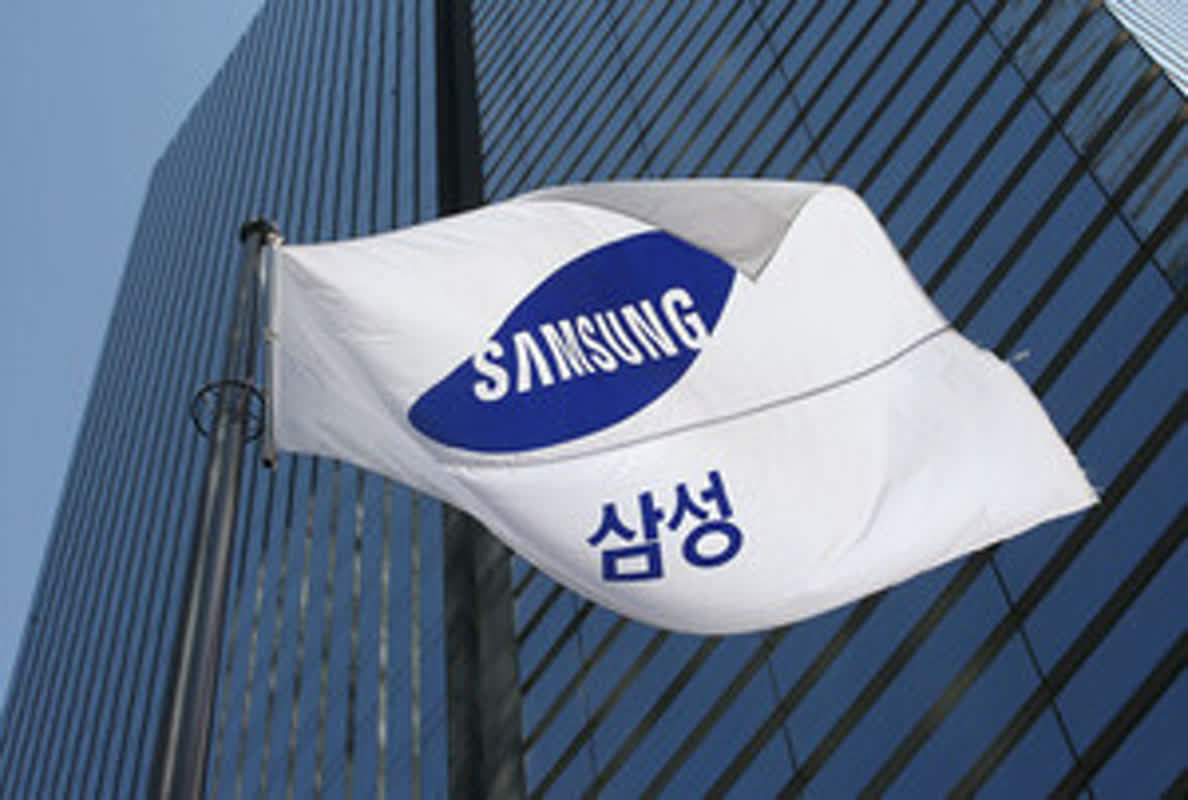
[Anchor] Tensions have surfaced within the Samsung Electronics union as members press for performance-based pay. The unions representing non-semiconductor divisions—previously part of a joint action—have officially announced they will withdraw from the joint campaign. This is Jang Han-byul. [Reporter] With global customers flooding Samsung with memory chip orders, labor conflict has emerged as a significant risk for the company racing to meet demand. About 74,000 employees belong to the union, and roughly 80% work in the semiconductor business; if a full-scale strike occurs, it could cause major production disruptions. A global investment bank issued its first downgrade of Samsung’s stock and identified the union dispute as the company’s primary risk. Kim Yang-peng, a senior researcher at the Korea Institute for Industrial Economics and Trade, said, "It takes about three to six months from wafer input to a finished semiconductor. If a plant stops even temporarily, products on that line may have to be scrapped." Labor talks have stalled, and internal disputes within the Samsung union have intensified. Samsung Electronics Union "Donghaeng," based in the DX division that handles TVs and appliances, said it will withdraw from the joint action committee formed with other major unions. Although it has taken part in the campaign since last November, Donghaeng says other unions did not respond to requests intended to protect all members rather than just those in a single sector. The DS (Device Solutions) division is reportedly discussing performance bonuses worth several hundred million KRW (approximately $150,000–$375,000), while the DX division is facing weak results and talk of business restructuring. As internal strife grows, some union members have canceled donation pledges. Sponsorship agreements typically include a monthly donation pledge, and about 100 union members have posted proof that they canceled those donations. That tactic, used in past campaigns, signals a refusal to contribute to the company’s positive public image. With unrest spreading inside and outside the union, roughly 2,500 members have resigned in the past ten days. Observers are watching whether labor and management can resolve their differences before the planned general strike on the 21st. This is Jang Han-byul, Yonhap News TV. [Video editing: Ko Jong-pil] [Graphics: Kim Hyung-seo] For news tips and inquiries: KakaoTalk/LINE jebo23; Jang Han-byul (good_star@yna.co.kr)
Will Samsung's Labor Disputes Impact Semiconductor Production? Key Insights and Risks
Jang Hanbyeol | 2026.05.05
[Anchor] Tensions have surfaced within the Samsung Electronics union as members press for performance-based pay. The unions representing non-semiconductor divisions—previously part of a joint action—have officially announced they will withdraw from the joint campaign. This is Jang Han-byul. [Reporter] With global customers flooding Samsung with memory chip orders, labor conflict has emerged as a significant risk for the company racing to meet demand. About 74,000 employees belong to the union, and roughly 80% work in the semiconductor business; if a full-scale strike occurs, it could cause major production disruptions. A global investment bank issued its first downgrade of Samsung’s stock and identified the union dispute as the company’s primary risk. Kim Yang-peng, a senior researcher at the Korea Institute for Industrial Economics and Trade, said, "It takes about three to six months from wafer input to a finished semiconductor. If a plant stops even temporarily, products on that line may have to be scrapped." Labor talks have stalled, and internal disputes within the Samsung union have intensified. Samsung Electronics Union "Donghaeng," based in the DX division that handles TVs and appliances, said it will withdraw from the joint action committee formed with other major unions. Although it has taken part in the campaign since last November, Donghaeng says other unions did not respond to requests intended to protect all members rather than just those in a single sector. The DS (Device Solutions) division is reportedly discussing performance bonuses worth several hundred million KRW (approximately $150,000–$375,000), while the DX division is facing weak results and talk of business restructuring. As internal strife grows, some union members have canceled donation pledges. Sponsorship agreements typically include a monthly donation pledge, and about 100 union members have posted proof that they canceled those donations. That tactic, used in past campaigns, signals a refusal to contribute to the company’s positive public image. With unrest spreading inside and outside the union, roughly 2,500 members have resigned in the past ten days. Observers are watching whether labor and management can resolve their differences before the planned general strike on the 21st. This is Jang Han-byul, Yonhap News TV. [Video editing: Ko Jong-pil] [Graphics: Kim Hyung-seo] For news tips and inquiries: KakaoTalk/LINE jebo23; Jang Han-byul (good_star@yna.co.kr)

Recommended Posts

How the Arctic Route Revolutionizes Asia's Trade: A Deep Dive into China and India's Strategic Partnership with Russia
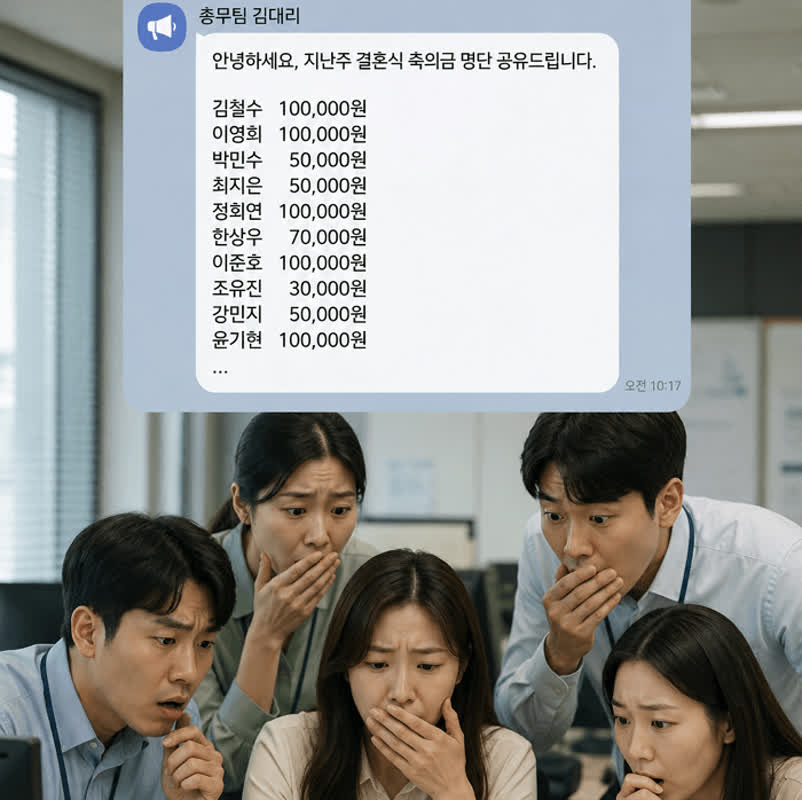
Is Revealing Wedding Gift Amounts in Company Chats Normal? Here’s What You Need to Know!

Shocking Case: Son-in-Law Arrested for Murder of Mother-in-Law in Daegu - What Happened?
Incheon’s Population Forecast: 305,000 to 242,000 by 2060 – What You Need to Know
New Education Law: What Parents Need to Know About Restrictions on Early Childhood Learning in 2026

Unlicensed Driver Flees Scene After Fatal Accident: What You Need to Know
Latest Popular Posts
Real-time TOP