Lawmakers also approved funding to help makers switch to recycled feedstock for pay-per-bag trash bags following raw-material supply disruptions tied to the prolonged Middle East conflict.
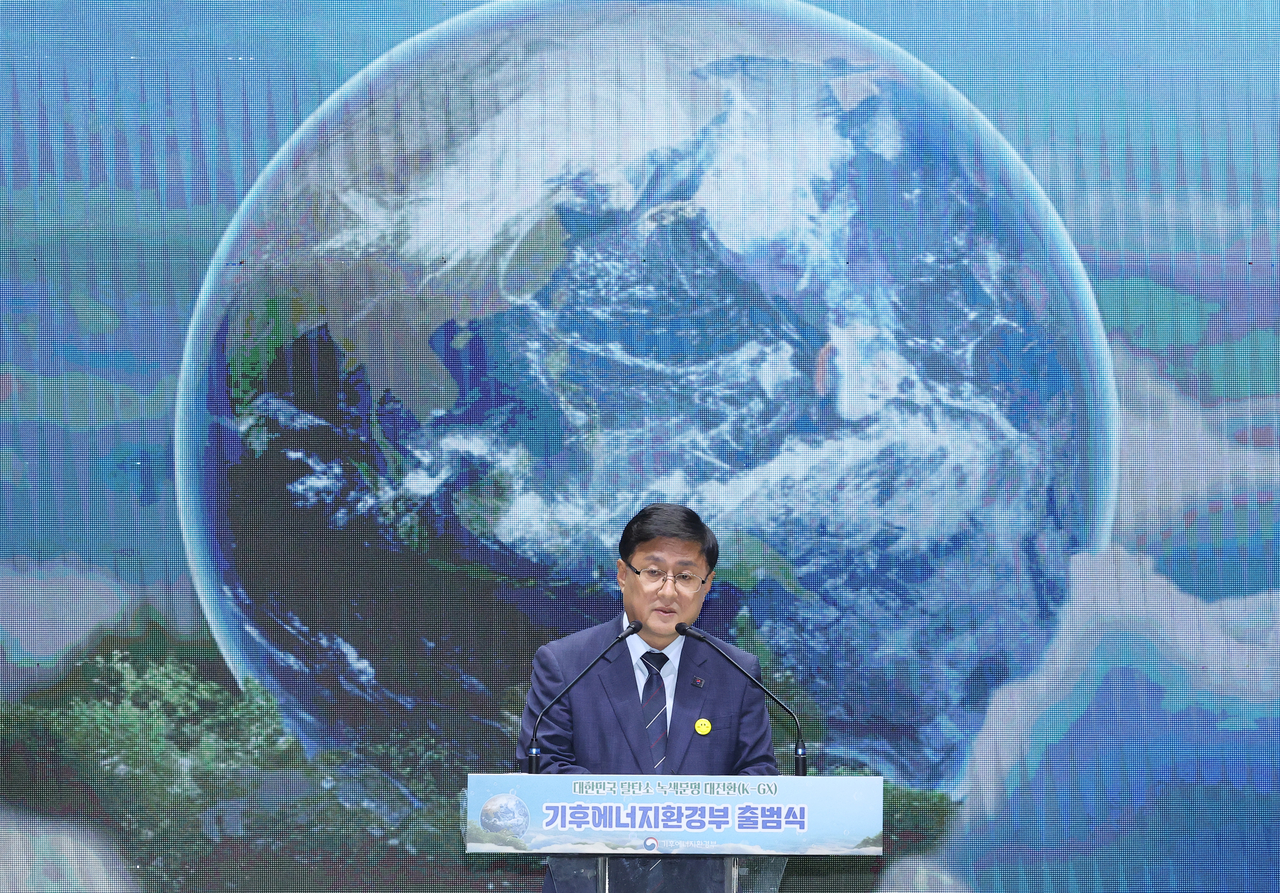
After the National Assembly approved the first supplementary budget on the 10th, the ministry said its budget increased by 6.6162 trillion KRW (approximately $4.96 billion).
First, the ministry added 232.294 billion KRW (approximately $174.22 million) to provide financing and other support for the "Sunlight Income Village" program and for installing solar and wind power facilities.
Separately, 527 million KRW (approximately $395,250) was added for competitions, selection processes, promotion and training related to the Sunlight Income Village program.
The ministry also increased funding by 76.655 billion KRW (approximately $57.49 million) to subsidize installation costs for home (balcony) solar systems and for solar systems on houses, commercial buildings, schools and traditional markets. The ministry said its goal is to roll out home solar systems to 100,000 households; during the 2016–2018 balcony-solar program, systems were distributed to 78,912 sites.
The electric-vehicle purchase-subsidy budget was raised by 150 billion KRW (approximately $112.50 million) to cover the additional passenger and cargo vehicles noted above.
The supplemental budget also created a new 13.8 billion KRW (approximately $10.35 million) line to support replacing extruders used in pay-per-bag trash-bag production. This item was added by the National Assembly; it was not in the government's original proposal. The aim is to increase use of recycled materials instead of synthetic resins in bag manufacturing.
Other increases include 58.8 billion KRW (approximately $44.10 million) for deployment of energy-storage systems (ESS) that use artificial intelligence; 10.23 billion KRW (approximately $7.67 million) in energy-voucher support for households using kerosene and LPG; 35.324 billion KRW (approximately $26.49 million) to cover operating shortfalls at self-generation facilities in island communities; and 22.405 billion KRW (approximately $16.80 million) for demonstration projects of carbon capture and utilization (CCU) technologies in the power and steel sectors.