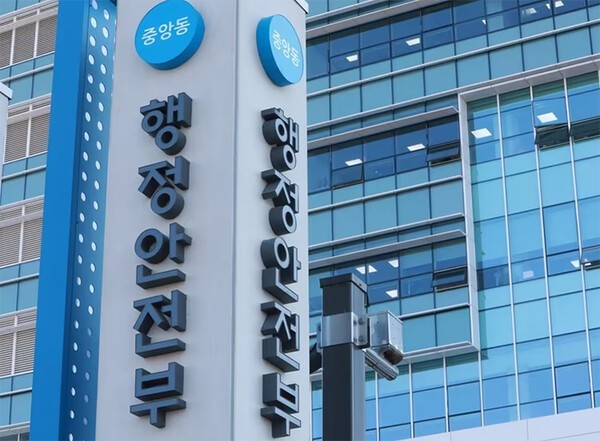
Public Times — The Ministry of the Interior and Safety’s first supplemental budget for 2026, which includes a nationwide relief payment for households hit by high fuel prices, was approved by the National Assembly in a plenary session on April 10.
The ministry’s supplemental budget totals KRW 9.488 trillion (≈ US$7.12 billion). Of that, KRW 4.793 trillion (≈ US$3.59 billion) has been set aside for high fuel-price relief payments to ease the burden on households affected by rising fuel and consumer prices.
The relief payments will be distributed to the bottom 70% of households by income. Beneficiaries will receive up to KRW 600,000 (≈ US$450) per person in two phases, delivered through local gift certificates and similar instruments, with amounts adjusted according to income and regional priority rules.
The budget also includes KRW 15.6 billion (≈ US$11.7 million) to provide youth with work-experience opportunities in local social-solidarity-economy projects.
Officials plan to begin project briefings and demand surveys this month and to roll out the full program in June.
The package allocates KRW 200 million (≈ US$150,000) for evaluations to select "Sunlight Income Villages." The government aims to select more than 700 villages in 2026 and to expand the program nationwide.
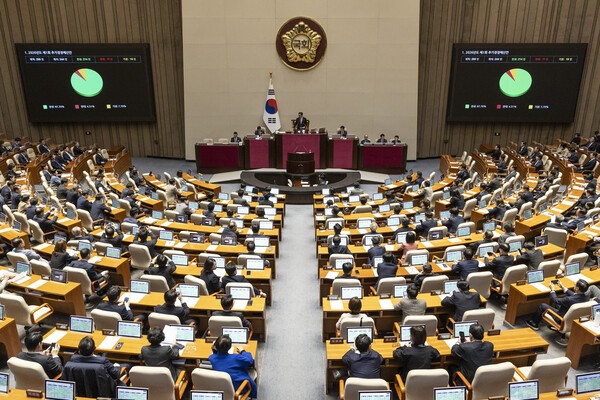
The increase in local allocation tax tied to higher national tax revenue was set at KRW 4.6793 trillion (≈ US$3.51 billion) to support local governments’ crisis-response efforts.
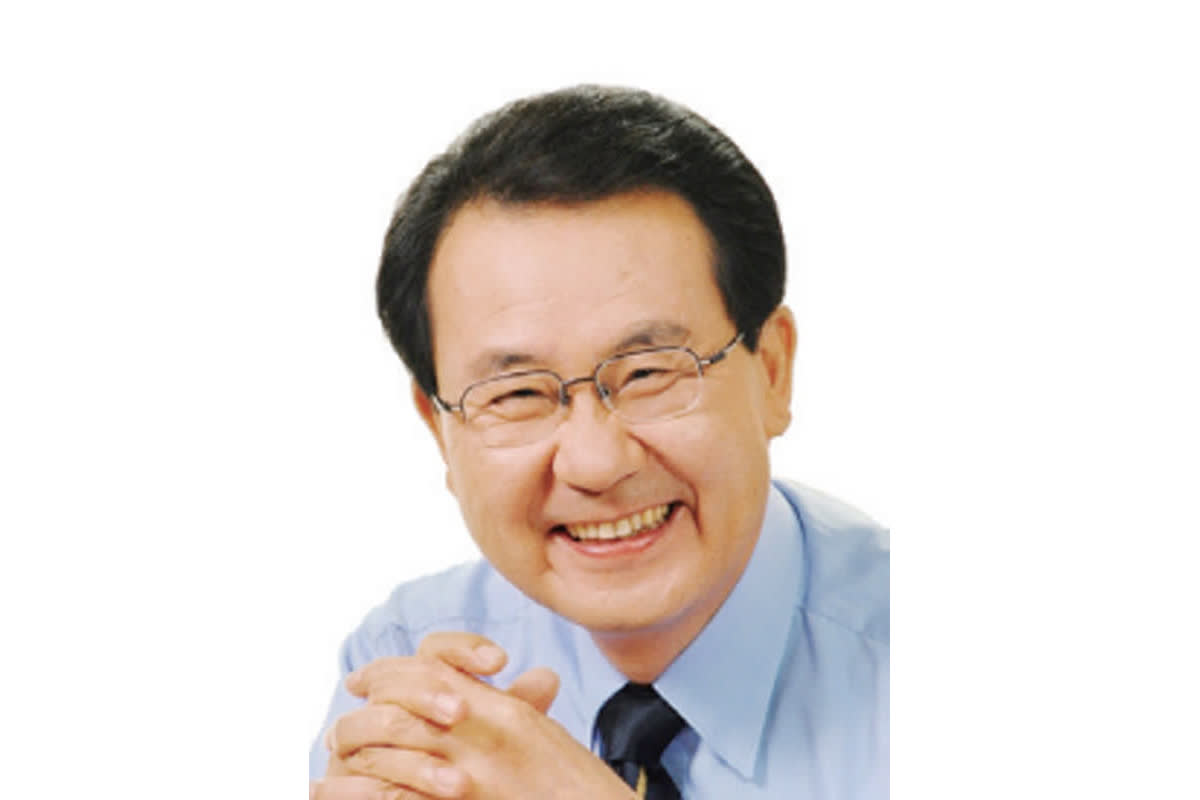
Minister Yoon Ho-joong said, “We will do our utmost to disburse the high fuel-price relief payments and the increased local allocation tax quickly and without delay so that the supplemental budget achieves its goals of easing fuel-cost burdens and stabilizing livelihoods on time.”
He stressed that, as the lead ministry for the social-solidarity economy, the ministry will implement the youth work-experience program successfully — not only expanding job-experience opportunities for young people but also boosting local vitality and addressing community issues such as care and environmental challenges.
He added that by expanding the Sunlight Income Village program nationwide, the government aims to increase energy self-sufficiency in response to the Middle East war crisis and to develop a new local-growth model that can also address regional population decline.
Earlier, the Assembly approved a supplemental budget bill totaling KRW 26.2 trillion (total expenditures), roughly US$19.65 billion.
Senior Reporter Kim Seong-gon gsgs@public25.com