The package includes 4.793 trillion KRW (approximately $3.595 billion) in high-fuel-price relief payments intended to ease household burdens from rising fuel and general inflation.
The government will provide up to 600,000 KRW per person (approximately $450) in regional gift certificates to the bottom 70% of income earners, applying income-based and area-priority criteria. The payments will be distributed in two phases.
The budget also sets aside 15.6 billion KRW (approximately $11.7 million) for a program that offers young people work experience in local social-solidarity economy projects. Officials plan informational sessions and a needs survey in April, with the full program beginning in June.
An evaluation budget of 200 million KRW (approximately $150,000) was included to select “Sunlight Income Villages”; the government aims to designate more than 700 villages in 2026 and to expand the initiative nationwide.
An increase in national tax revenues will raise local government grants by 4.6793 trillion KRW (approximately $3.509 billion), the ministry said, supporting local governments’ crisis-response efforts.
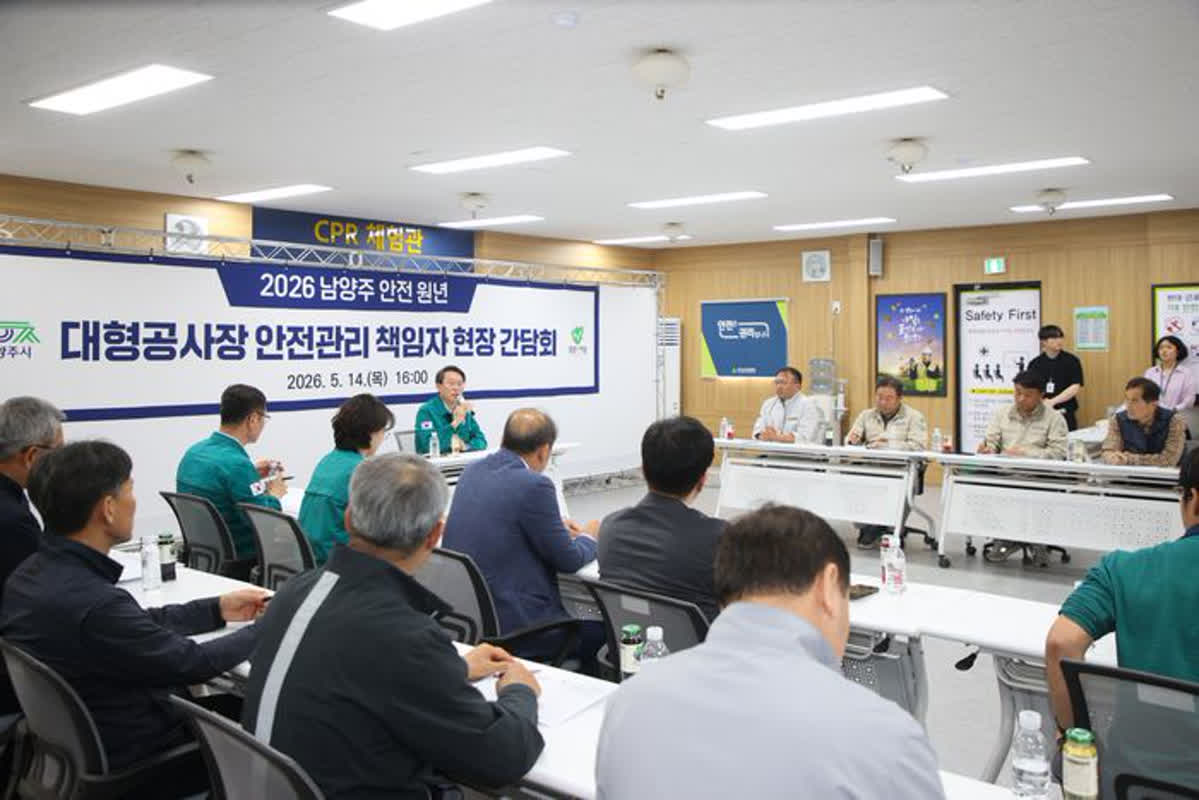
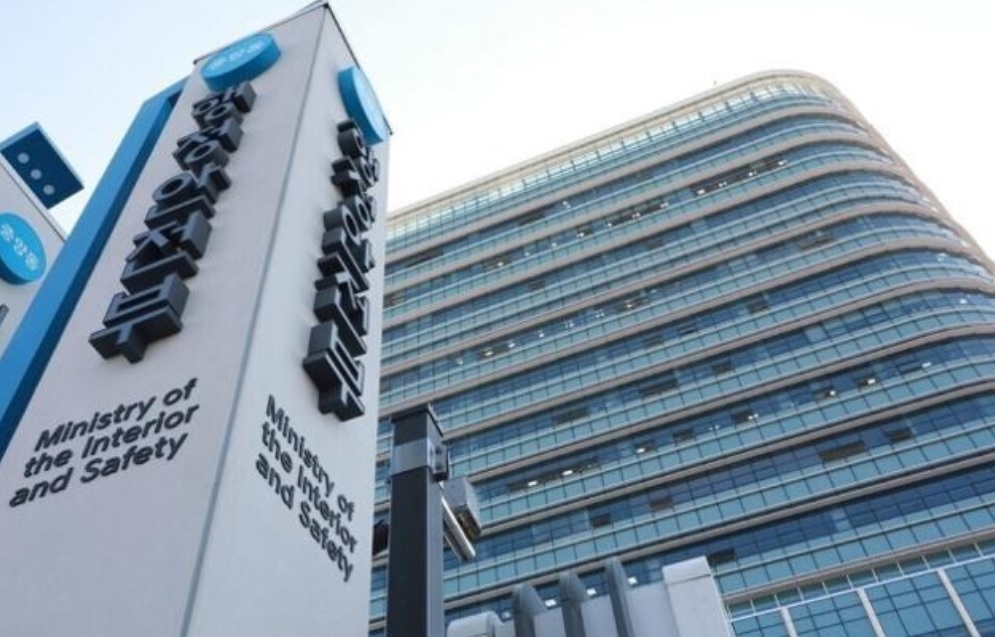
Minister Yun Ho-jung said the ministry will execute the relief payments and increased local grants swiftly and without interruption to achieve the supplemental budget’s goals of easing fuel-cost burdens and stabilizing livelihoods. He added that, as the lead ministry for the social-solidarity economy, it will push the youth work-experience program to broaden opportunities for young people, boost local vitality, and help address community-level issues such as caregiving and environmental challenges.