The Cabinet approved an amendment to the Civil Code that allows authorities to limit the inheritance rights of heirs who commit serious breaches of their duty to support the decedent, including acts deemed immoral.
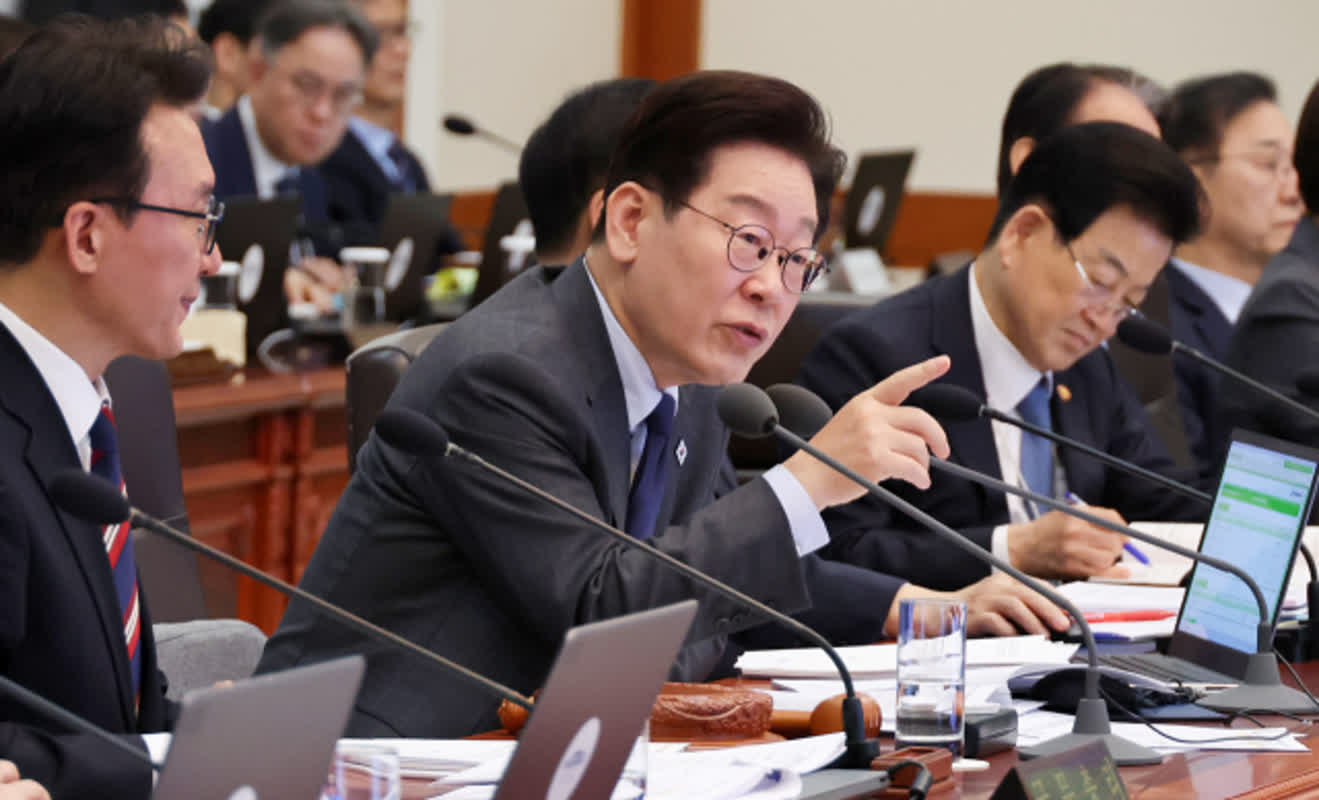
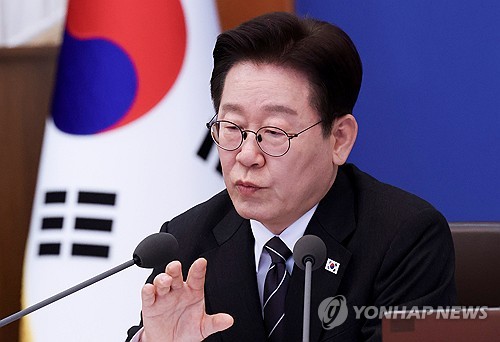
At a Blue House Cabinet meeting chaired by President Lee Jae-myung on March 10, the government reviewed and approved the amendment's promulgation along with the promulgation of 33 laws, two bills, 13 presidential decrees, and one general agenda item.
The amendment expands the category of so‑called "unfilial heirs"—those who abandon or abuse the decedent—whose inheritance can be revoked, broadening the scope from direct ascendants to all heirs, including direct descendants and spouses.
In other words, a provision that previously applied only to parents and other direct ascendants now covers all heirs, such as spouses and children.
The revision also restricts claims to recover the statutory reserved portion against heirs who provided exceptional care to the decedent or made a demonstrable contribution to preserving or increasing the estate.
The change is intended to prevent noncontributing heirs from attempting to appropriate the compensatory gift portion awarded to contributing heirs.
The Civil Code amendment takes effect immediately upon promulgation.
The Cabinet also approved an amendment to the Act on Guarantee of Workers' Retirement Benefits to raise penalties for employers who withhold retirement pay. The maximum prison term is increased from up to three years to up to five years, and the maximum fine rises from 30 million KRW (approximately $22,500) to 50 million KRW (approximately $37,500).
The Cabinet cleared revisions to the Courts Organization Act and the Court Establishment Act to establish Maritime International Commercial Courts in Incheon and Busan. It also approved an amendment to the Special Act on Promotion of Youth Employment to expand the statutory youth age range from 15–29 to 15–34.
A package of measures to strengthen protections for corruption and public-interest whistleblowers also passed.
Under an amendment to the Anti-Corruption and Civil Rights Commission Act, the government will provide legal-fee support to people who report corruption by organizations and will bar reported parties from bringing civil claims for damages even if they allege they suffered losses due to the report.
The Cabinet also approved an amendment to the Public Interest Whistleblower Protection Act that allows authorities to transfer employees who have taken—or are likely to take—retaliatory actions against whistleblowers. If the Anti-Corruption and Civil Rights Commission (ACRC) determines that there is insufficient time to wait for a formal protection decision, its chair may request a temporary suspension of procedures that would disadvantage the whistleblower.
Yonhap TV inquiries and tips: KakaoTalk/Line jebo23
Lee Da-hyun (ok@yna.co.kr)