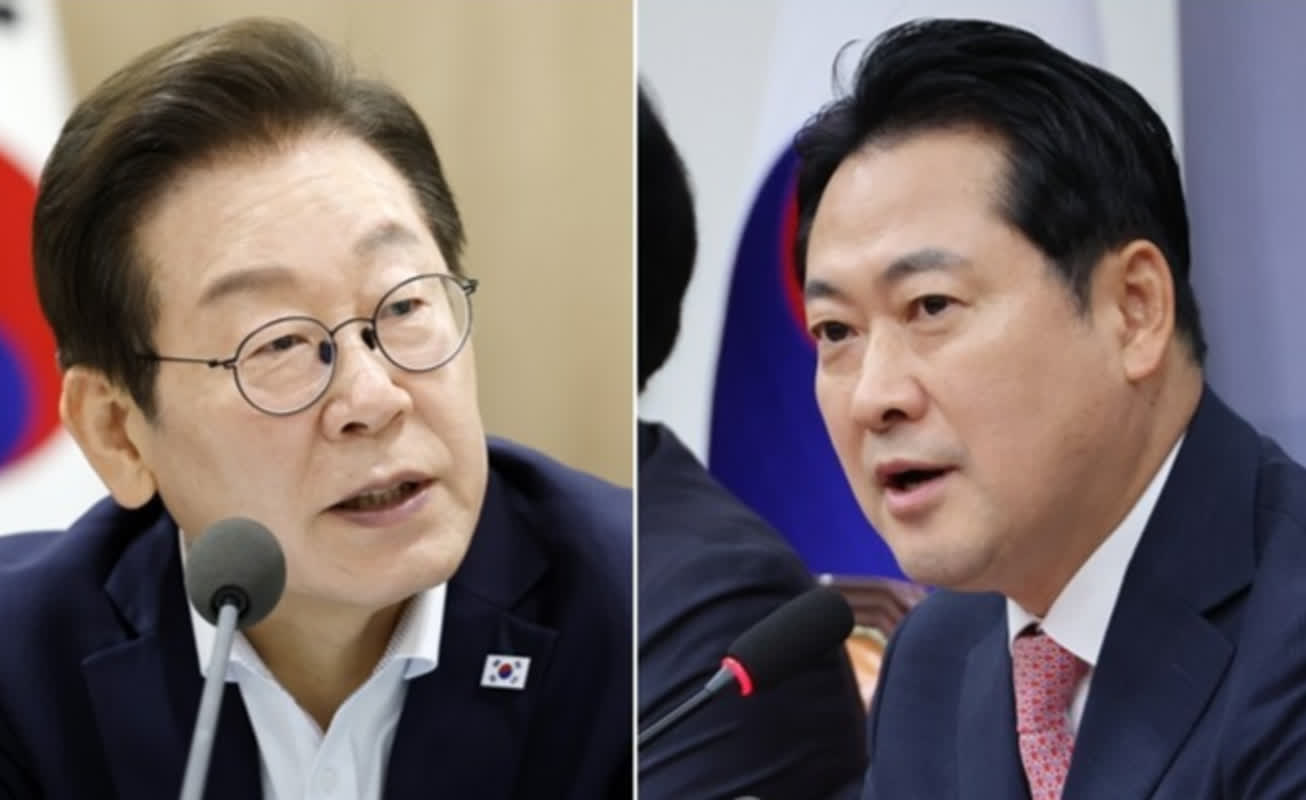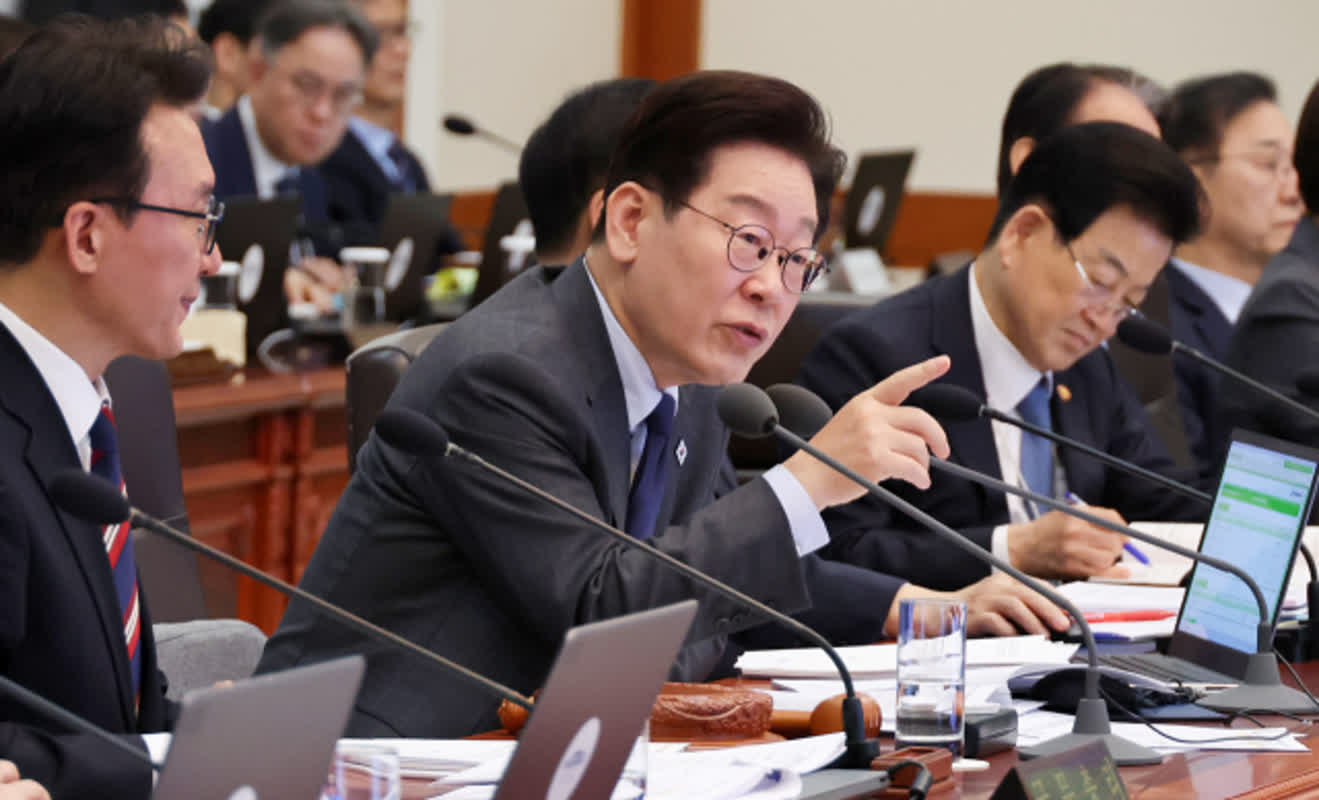
People say Seoul has tipped sharply to one side. A CBS poll conducted by the Korea Society Opinion Institute (KSOI) shows Jeong Won-o at 45.6% and Oh Se-hoon at 35.4% — a 10.2 percentage-point gap outside the margin of error. On those figures alone, the race can look decided. But the most dangerous moment in politics is mistaking numbers for facts.
Polls describe a condition, not a conclusion. They capture a midpoint in a shifting public mood, not its destination. The current numbers point to one simple truth: they reflect the Democratic Party’s advantage more than Jeong Won-o’s personal strength. In the same survey, party support stood at 44.2% for the Democratic Party and 31.5% for the People Power Party; backing for the ruling camp was 46.6%. Jeong’s 45.6% reads less as an expression of individual appeal than as the lift provided by his party’s standing.
That focuses the question: is this an election to choose a party, or an election to choose a mayor? Swing voters in Seoul have always been divided on that point. Some contests have gone to the party; others to the person. At decisive moments, Seoul voters tend to pick whoever they believe is the better planner of the city’s future.
The mayor of Seoul is not a member of the National Assembly, nor is the office a barometer of party loyalty. The mayor must design the city, anticipate and mitigate risks, and sometimes press ahead with the future even in the face of public opposition. In that respect, the current poll does not necessarily favor Jeong Won-o; it raises a different question. Jeong has promised to be a “mayor who gives citizens what they want.” That rhetoric is politically attractive, but it is political language, not administrative language.
Seoul is a city that must read needs in advance, not simply follow immediate demands. If leaders chase what citizens want today, the changes the city will need tomorrow will be postponed indefinitely. What a mayor needs is not merely hands to handle complaints but the foresight to design the future.
Having observed Oh Se-hoon in the field for more than a decade, I know he has always been a controversial figure on this point. Some describe him as an insistently driving politician; others criticize him for budget waste and unnecessary experiments. But one thing is clear: Oh has consistently governed as a mayor who plans Seoul’s future. He still does. Initiatives such as Design Seoul, the Han River Renaissance, public-transit reform, air-quality improvements, and waterfront development reflect a focus on what the city will need next rather than on immediate demands. Politically, that approach invites risk and criticism. Yet a city’s timeline outlasts political cycles, and judgments formed over that longer span can be more balanced.
What this poll shows is that Seoul is currently riding a partisan tide, but the choice is not settled. The same survey already revealed nuance: the conservative candidate led the progressive candidate in the Seoul education superintendent race. That suggests Seoul voters make issue-by-issue decisions rather than acting strictly along partisan lines. That is why the early poll leader does not always win here.
Seoul has not decided. The present 10% gap marks a starting point, not a finish. More important, elections are decided at the finish line, not the starting line. Dismissing an unfavorable poll can be dangerous — you can lose that way — but being intoxicated by numbers can be just as damaging.