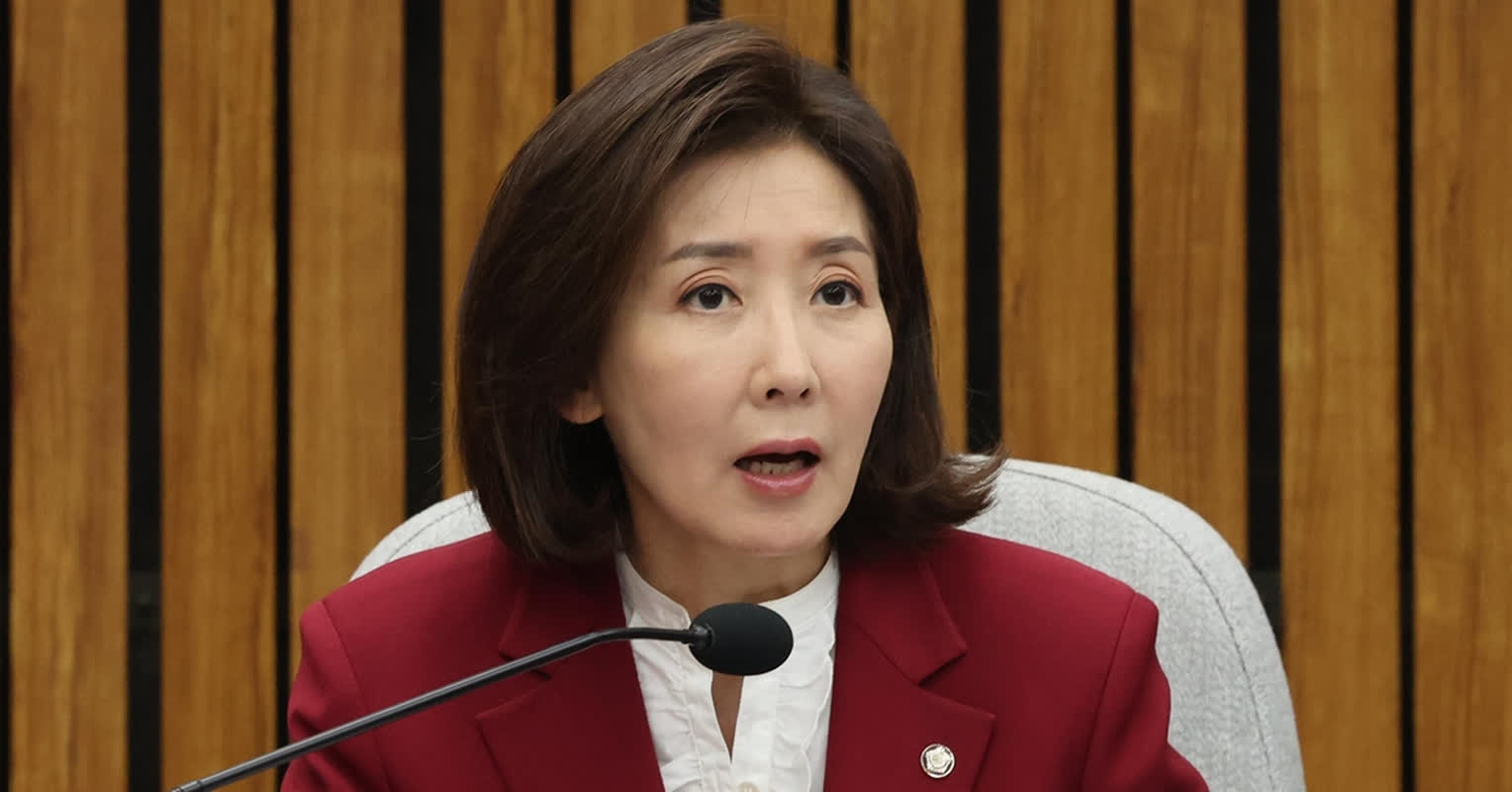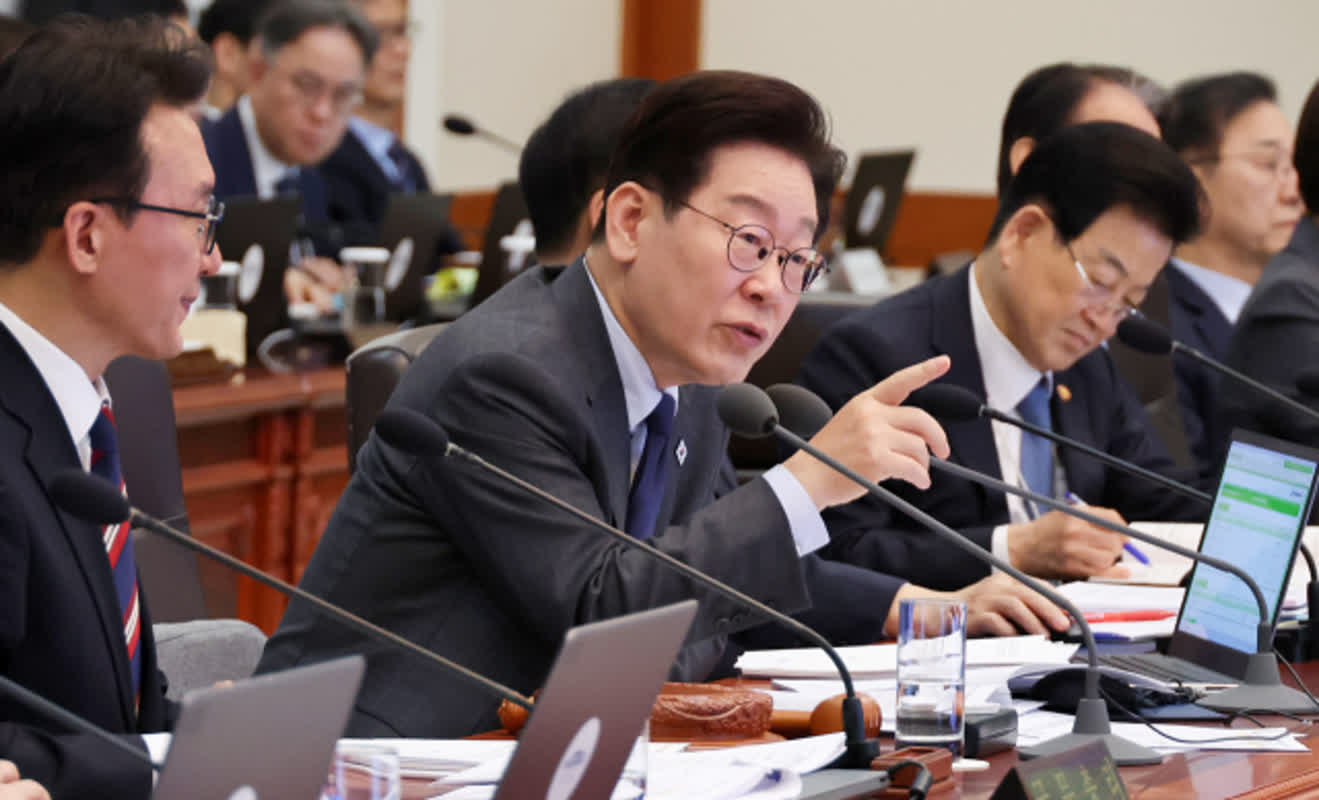
SisaWeek reporter Kim Du-wan On March 10, People Power Party lawmaker Ahn Cheol-soo criticized President Lee Jae-myung's announced fuel price ceiling, asking, "Why should taxpayers who don't buy gas cover gas station losses?" He warned that legally capping fuel prices could require the state to use public funds to compensate refiners and gas stations for their losses.
On Facebook, Ahn said that while targeted intervention to prevent monopolistic abuses and restore market order is warranted, a price ceiling is an unfair remedy that shifts costs to taxpayers and effectively preserves the profits of particular firms.
He singled out the potential fiscal implications. Under the current Petroleum and Alternative Fuel Business Act, the government can set maximum prices for petroleum products and may, within certain limits, use public funds to cover losses caused by such price limits.
Ahn argued, "If you legally cap fuel prices, refiners and gas stations will inevitably incur larger losses as international oil prices rise. If the government covers that gap with public money, the cost is ultimately borne by the entire public."
He also raised an equity concern: taxpayers who commute by public transit or otherwise do not use gasoline would end up subsidizing fuel costs for some consumers. "Even people who don't use a single drop of fuel would shoulder the burden of supporting refiners, gas retailers and some consumers," Ahn said.
The fuel price ceiling allows the government to set an upper limit on retail prices when international oil shocks push domestic fuel prices sharply higher. The provision is intended to let authorities control prices to prevent market disruption or consumer harm, but it has rarely been invoked since the oil shocks of the 1970s and 1980s and is often considered a dormant statute.
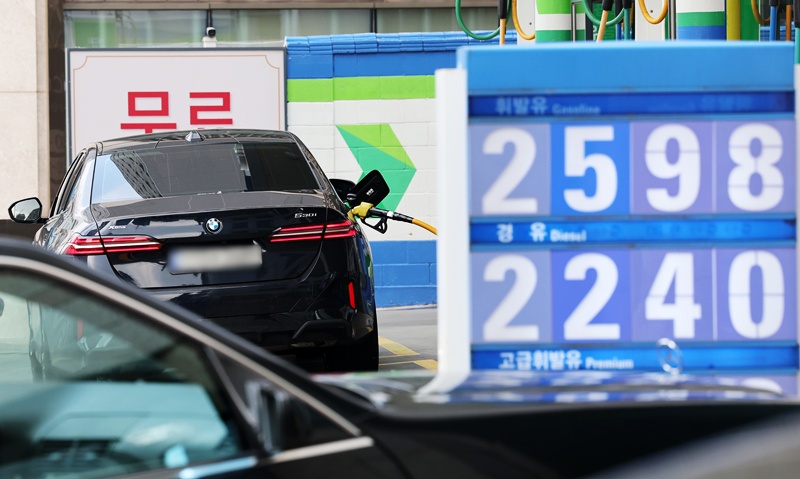
With global oil prices rising and domestic gasoline prices climbing again, fuel-price stabilization has become a political flashpoint. As the government weighs a price ceiling among its tools to ease inflationary pressure, opposition criticism has continued.
The central dispute is over who should bear the cost of stabilizing prices. Artificially capping prices can reduce consumers' immediate burden, but if the state compensates refiners' and gas stations' losses from the public purse, taxpayers would ultimately pay. Proponents counter that some degree of intervention is necessary to protect consumers and stabilize prices, so the policy debate is likely to persist.