President Lee Jae-myung’s demand that the Korea Newspaper Association revoke the award it granted the Dong-a Ilbo for its coverage of the Daejang-dong scandal has revived questions about the propriety of the paper’s 2021 article referencing “that person.” Critics say the reporting uncritically relayed prosecutorial assertions, while others argue the president’s public call to rescind the prize goes too far. Pressure is mounting for the Dong-a Ilbo to formally explain its stance.
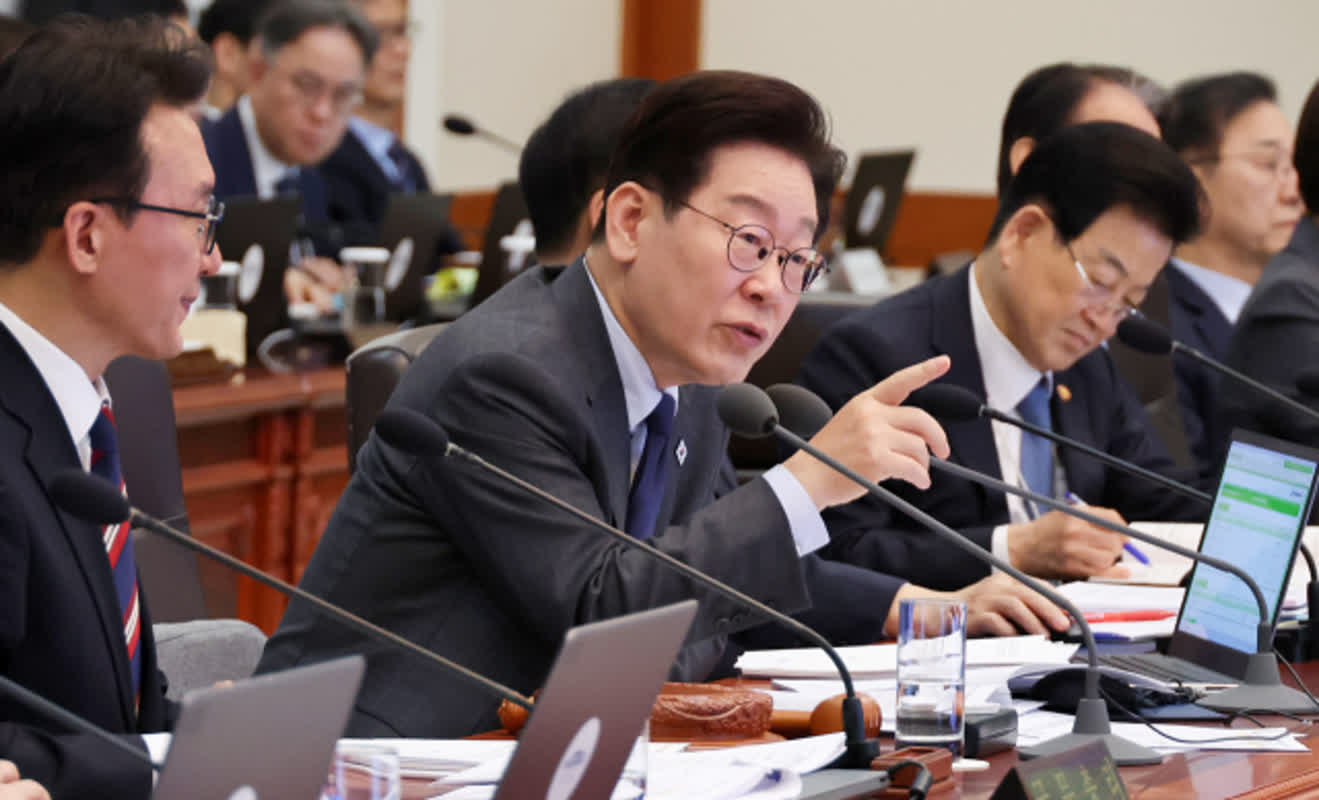
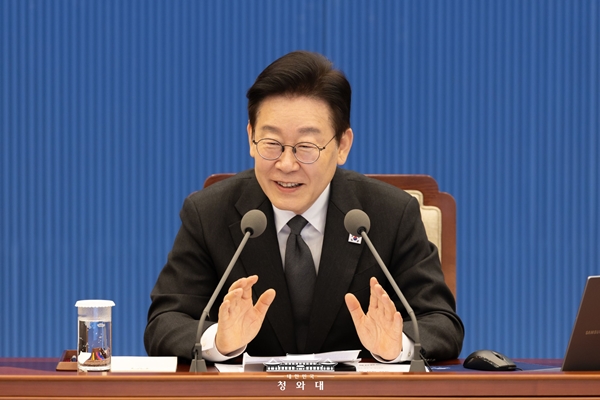
On April 24, 2026, President Lee posted the Korea Newspaper Award announcement by the Dong-a Ilbo to X and wrote that the paper had “not uncovered facts but carried out a major fabrication,” asserting that the paper “invented ‘that person’—Lee Jae-myung—who does not appear in the Daejang-dong recordings, thereby contributing to the defeat of the Democratic Party’s presidential candidate in the last election and altering South Korea’s history.” He urged the paper to return the award, apologize, and issue corrections, arguing that election manipulation by state institutions and the press must never recur.
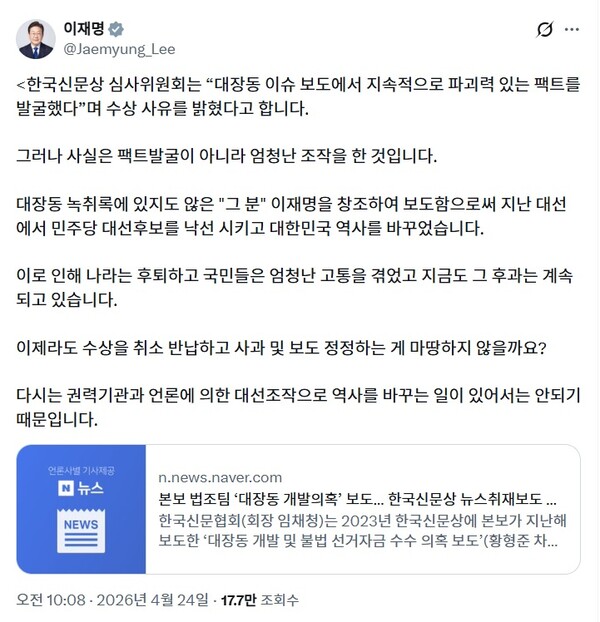
The Korea Newspaper Association selected the Dong-a Ilbo’s series, “Daejang-dong development and alleged illegal election-funding,” in March 2023 as the winner of the 2023 Korea Newspaper Award in the news reporting category. The judges said the Daejang-dong issue prompted intense reporting competition across outlets, and they praised the Dong-a Ilbo for repeatedly uncovering powerful, consequential facts.
The identity of “that person” remains unknown after years
The Dong-a Ilbo led the coverage with numerous exclusives from 2021 through 2023. The article the president cited was published on Oct. 9, 2021, under the headline “[Exclusive] Kim Man-bae: ‘Half of Cheonhwa-dongin No. 1’s dividends belong to that person.’” The paper reported that Kim Man-bae said, “Half of the (Cheonhwa-dongin No. 1) dividends belong to ‘that person.’ Don’t you know?” and that the remark appeared “in a transcript of conversations involving accountant Jeong Young-hak, owner of Cheonhwa-dongin No. 5, and Kim Man-bae.”
Nearly five years later, the identity of “that person” has not been established. At the time of the Dong-a Ilbo’s reporting, allegations that then-Seongnam Mayor Lee Jae-myung was the person in question gained traction, but no definitive evidence emerged. In February 2022, Hankook Ilbo reported that Kim’s “that person” was a sitting Supreme Court justice, a claim the justice denied. NewsTapa later published the full 1,325-page Jeong Young-hak transcript and reported that the context did not support the existence of the “that person” as earlier portrayed.
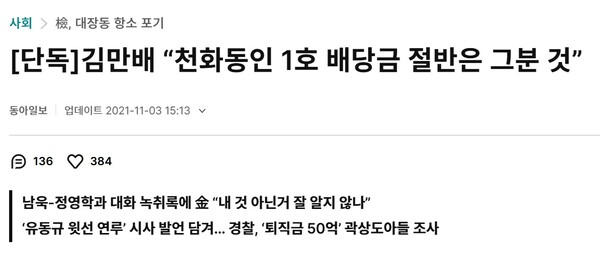
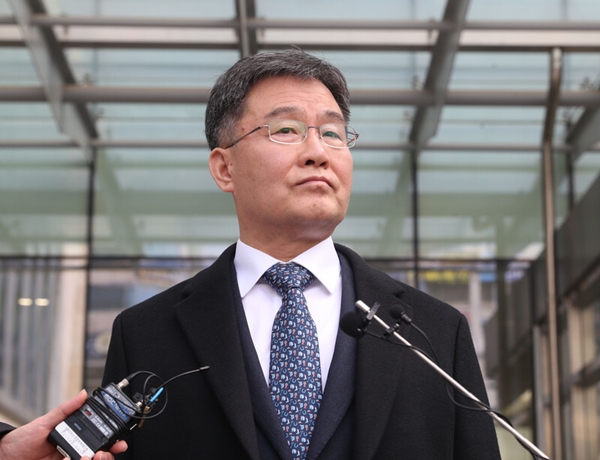
Observers now suggest Kim may have been boasting about his legal connections—that his claim was likely false. Given that the Dong-a Ilbo initially raised the allegation and that “that person” remains unidentified, it is difficult to deny that the reporting fell short in verification compared with the consequences it produced. Political debates that treated “that person” as President Lee after the reports increased the gravity of the paper’s responsibility. The Dong-a Ilbo also published related articles such as “Yoo Dong-gyu thanked ‘Mayor Lee Jae-myung for mentoring me’ in his master’s thesis,” “Nam Wook: ‘Yoo Dong-gyu said he conveyed matters to Mayor Lee through his brother Jin-sang,’” and “Prosecutors: ‘Lee Jae-myung was briefed on and approved the Daejang-dong group’s promised bribes.’”
In its coverage, the Dong-a Ilbo wrote that “sources familiar with the situation explained that the ‘that person’ Kim mentioned was at least above acting president Yoo,” implying that President Lee could be the figure in question. However, the paper did not seek a response from Lee’s camp. The reporting relied heavily on hearsay phrases such as “it is said” and “they said,” prompting criticism that it functioned as a prosecutorial “media play.”
Lee Beom-jun, an associate professor at Sogang University Law School, told reporters by phone that “in the past, reports based on transcripts obtained by prosecutors have often proven false in court. Even if the transcript used the term ‘that person,’ reporters cannot present it as fact while the statements of involved parties keep changing.” He added that, considering the motives of those who provided such material, journalists should not have used it so readily.
“Point out precisely which parts were ‘fabricated’”
Still, many in the press find it inappropriate for President Lee to post about the matter publicly on X. They note that publicly demanding one outlet’s award be rescinded can be perceived as a political act; the president could instead pursue arbitration through the Press Arbitration Commission or seek judicial remedies.
In an editorial published April 28 titled “The Weight of the President’s Words and the Media’s Responsibility,” the Journalists’ Association paper wrote that “the problem lies in how the president responded. It is one thing for an ordinary citizen to complain about unfair coverage on social media; it is another when the nation’s highest authority labels a specific article a ‘fabrication’ and publicly challenges a press body’s award decision.”
Highlighting verification failures is different from declaring coverage a “fabrication.” The Daejang-dong reporting originated from a watchdog effort to scrutinize power; the president’s “fabrication” charge risks framing the press as having acted with malice in producing those allegations.
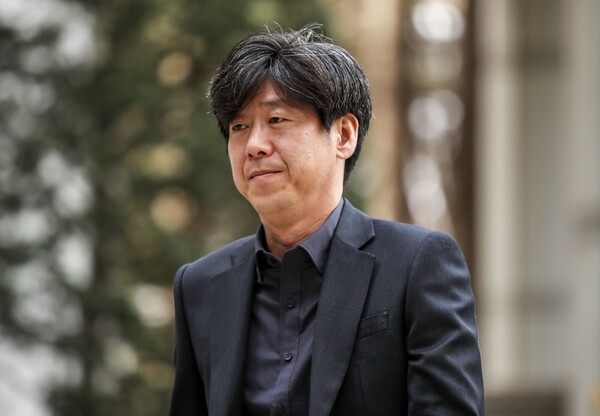
A former legal reporter who covered the controversy told us by phone, “If the president is going to criticize publicly, he should clearly identify which parts he is calling ‘fabricated.’ The term ‘that person’ did appear in the transcript in some form. You can criticize the reporting as methodologically naive, but fundamentally this was watchdog journalism. At the time, Lee was a powerful figure, and publishing such stories was not undertaken lightly.”
Lee Beom-jun added, “You can fault the Dong-a Ilbo for passively allowing itself to be used as a tool by the prosecution, but it’s hard to say the paper actively participated in a fabrication. The root cause of the erroneous reports lies more in inadequate reporting than in deliberate malice by journalists. I suspect reporters may have rationalized their lapses by convincing themselves they were scrutinizing a leading presidential candidate.”
Reporters are divided over the Journalists’ Association paper’s editorial. Hong Sa-hoon, formerly of KBS, said on the April 4 episode of the YouTube channel “Kim Eo-jun’s Being Humble Is Hard — News Factory,” “I regard the Dong-a Ilbo’s ‘that person’ report as one of the gravest falsehoods in our press history. If it was truly that catastrophic an error, why has no one called it out? Even allowing for institutional bias, the press association should have taken the lead.” He added, “That’s why people call us ‘garbage media.’”
The Dong-a Ilbo has not issued a statement on the matter. Observers say the paper needs to respond to growing assertions of false reporting. Jung Yeon-woo, professor emeritus of advertising and public relations at Semyung University, wrote in a Kyunghyang column titled “Greenwashing and Journalism Ethics Washing” that responsible journalism requires not only correcting the record but also explaining clearly how the error occurred, its causes, what disciplinary steps will be taken against the reporter and editors involved, and what measures will prevent recurrence. He warned that if a news organization critiques corporate “greenwashing” while treating its own ethics code as window dressing, that amounts to “journalism ethics washing.”