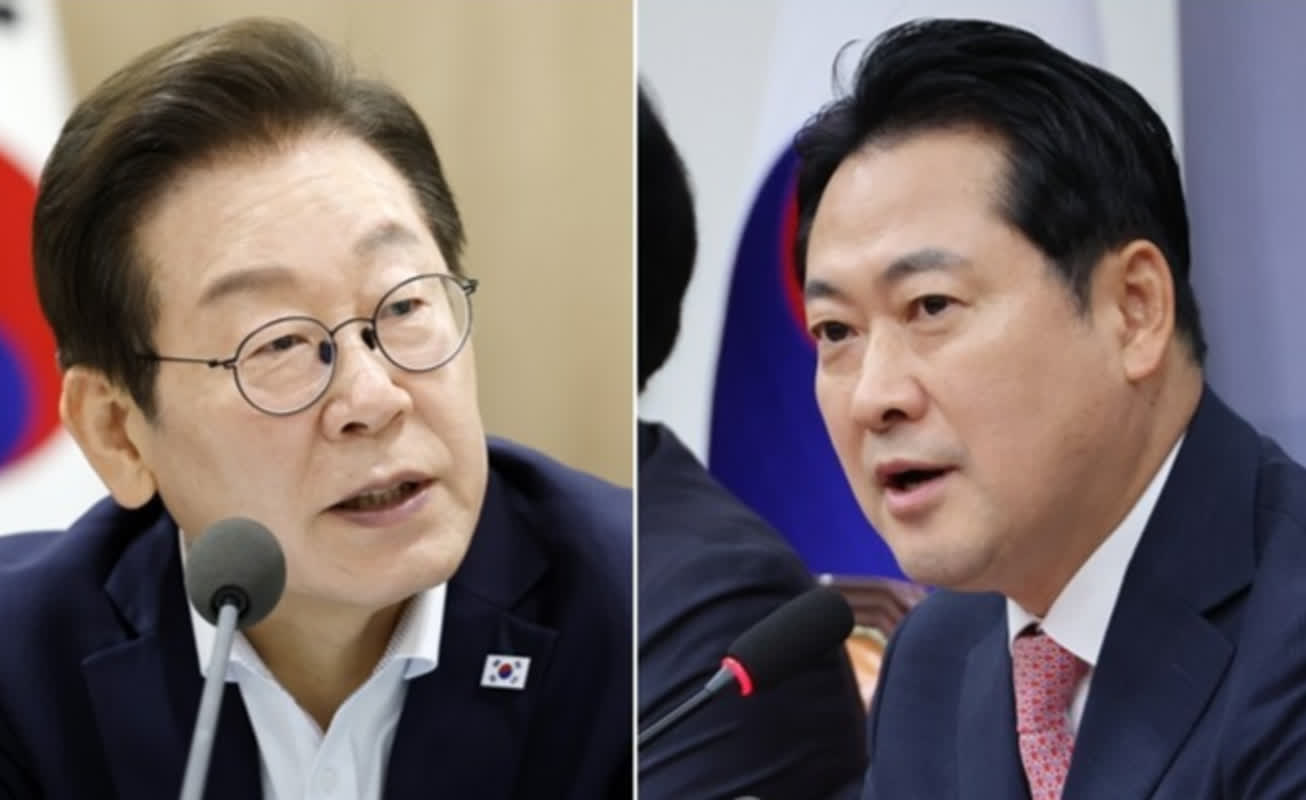
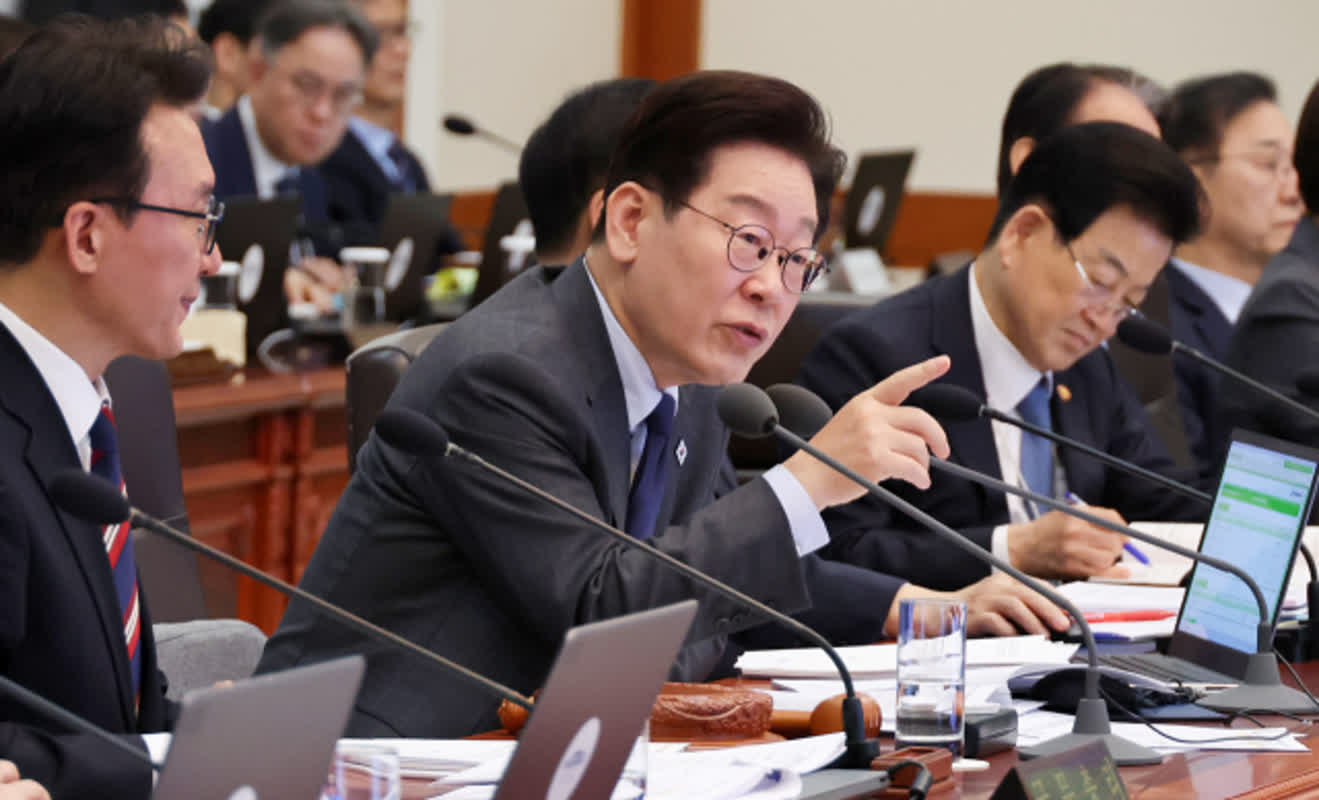
President Lee Jae-myung delivered a stark warning about corporate unfair practices, including price-fixing and abuse of monopoly power.
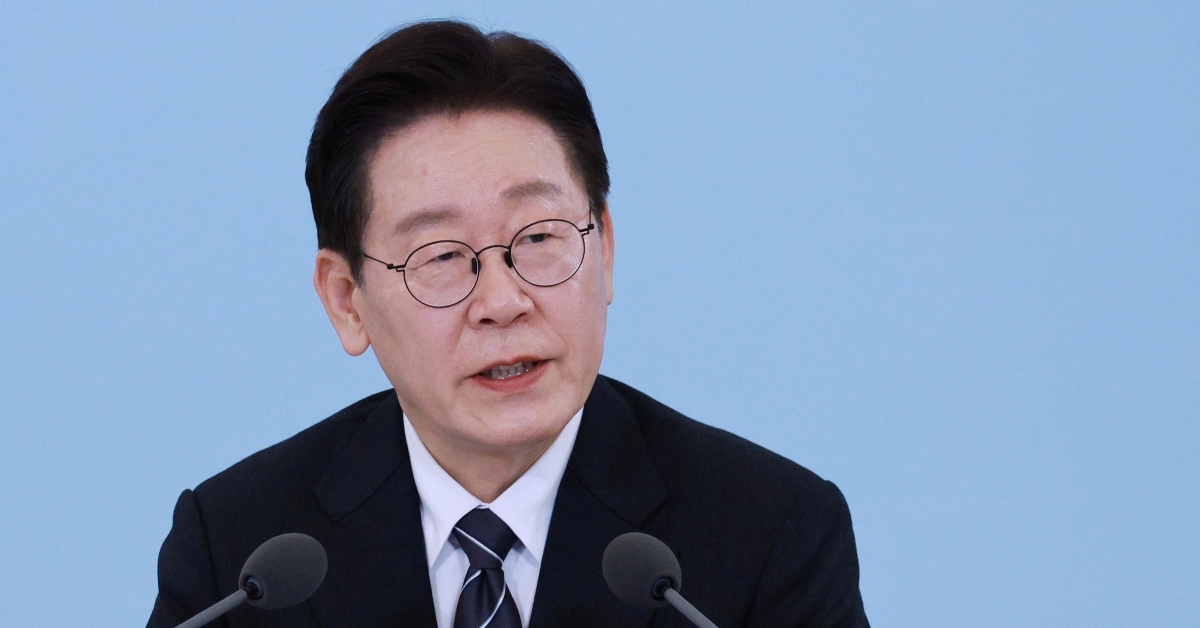
At a Cabinet meeting he chaired at the Blue House on March 10, the president instructed Fair Trade Commission Chair Joo Byung-gi to set up an open-ended system that rewards a portion of recovered fines with no upper limit.
He warned bluntly that, going forward, some companies may go out of business.
The centerpiece is a major expansion of whistleblower rewards. He explained that if a cartel worth 4 trillion KRW (3 billion USD) is uncovered and fined roughly 400 billion KRW (300 million USD), a whistleblower could receive up to 10% — roughly 40 billion KRW (30 million USD) — as a reward.
He noted that unfair practices are often executed on orders from inside a company, but once an employee reports them they can receive payouts worth tens of billions of KRW, so such schemes will inevitably be exposed.
He added: “Why was the cap previously set at ₩3 billion? I don’t know.” He said that with rewards now reaching into the hundreds of billions of won, whistleblowers will have every reason to come forward. Under the current system, the cap for cartel-report rewards is 3 billion KRW (2.25 million USD), and the largest payout to date has been 1.75 billion KRW (about 1.31 million USD).
He also reiterated that unfair trading practices have become entrenched across markets. In a prior senior aides’ meeting, he criticized deep-rooted anti-market collusion across sectors — from sugar and flour to meat, school uniforms and real estate.
On the 12th of last month, the Fair Trade Commission fined three milling companies about 400 billion KRW (300 million USD) for price-fixing, and it has issued review reports and opened deliberations for seven manufacturers and sellers that together hold an 88% share of the domestic flour market.
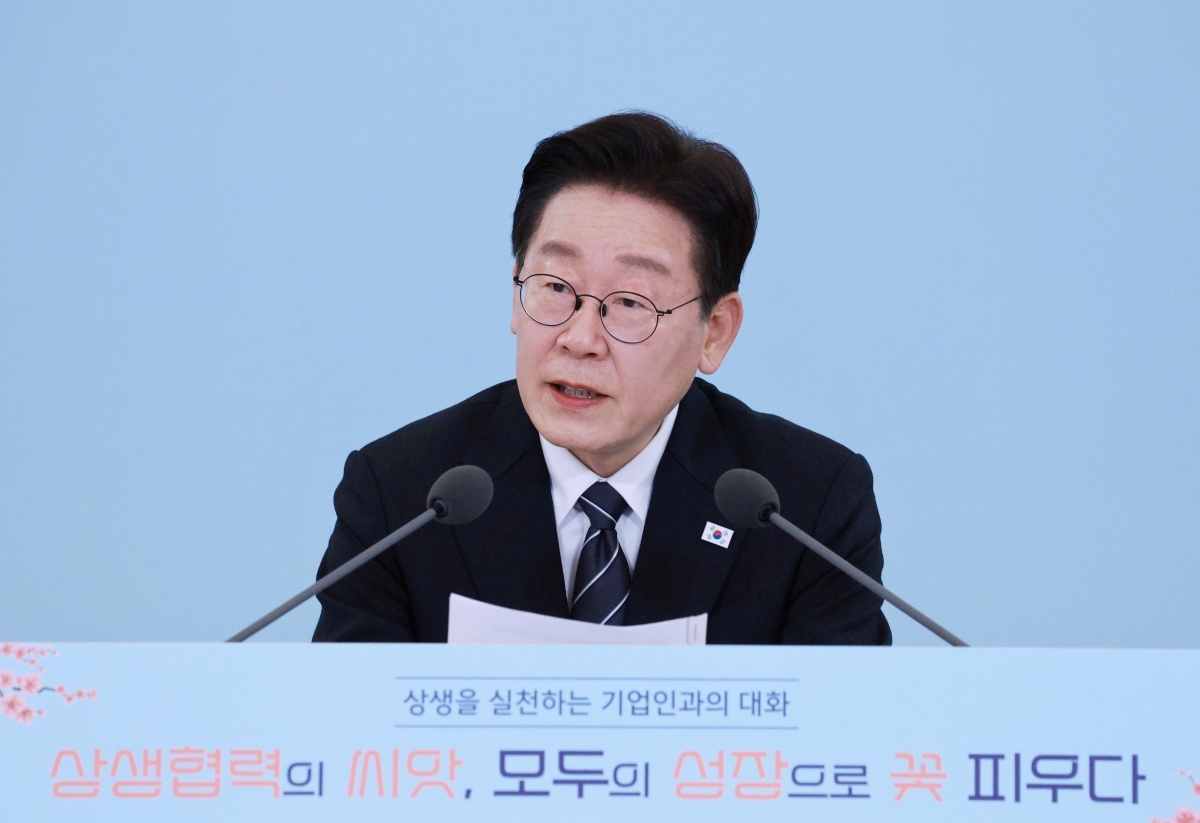
He laid out concrete directions for sanctions, cautioning against an approach focused solely on criminal penalties. Sanctions, he said, should go beyond formal criminal charges and include substantive economic measures — such as stripping economic privileges or increasing financial burdens.
For companies that repeatedly engage in anti-market behavior, he urged officials to actively consider permanent market exclusion, stressing this is not a threat but a sincere warning: prepare in advance, and don’t do it, he said.
He also ordered detailed rules for whistleblower treatment. Authorities should clarify in advance how to handle insiders who report wrongdoing, consider granting immunity or leniency, and still provide rewards to participants who come forward, he said. He instructed officials to examine guarantees for such measures while considering modestly reduced rewards for whistleblowers who were directly involved compared with third-party informants.
He called for stock market reforms as well, saying regulators need to clean up the KOSDAQ market and curb deliberate stock-price suppression used to manipulate inheritances.
Your daily personal fortune report! What will today bring?