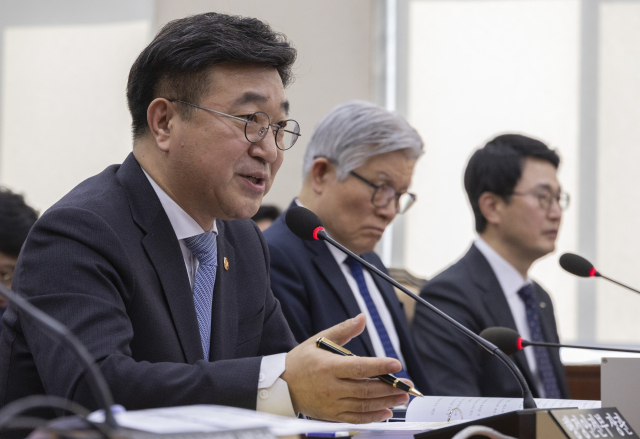
The National Assembly’s Public Administration and Security Committee has formally begun reviewing a bill to establish the Serious Crimes Investigation Office (SCIO), a follow-up to the ruling party’s prosecutorial reform. Hardliners within the ruling party argue the government’s draft is inadequate, while opposition lawmakers say the plan is poorly conceived and will sow public confusion.
On the 10th, the committee held a plenary session, placed four SCIO bills — including the government’s proposal — on the agenda, and referred them to the bill review subcommittee.
The government’s draft confines the SCIO’s investigative scope to six categories: corruption, economic crimes, drugs, defense procurement, state-protection offenses, and cybercrime. It also standardizes the organization with a single-rank structure for investigators.
The government initially released the bill for public comment on Jan. 12, but after South Korea’s Democratic Party criticized it as effectively preserving the Prosecutors’ Office, officials produced a revised draft. The Democratic Party agreed to adopt the revision as party policy, but some hardliners have publicly opposed it as insufficient.
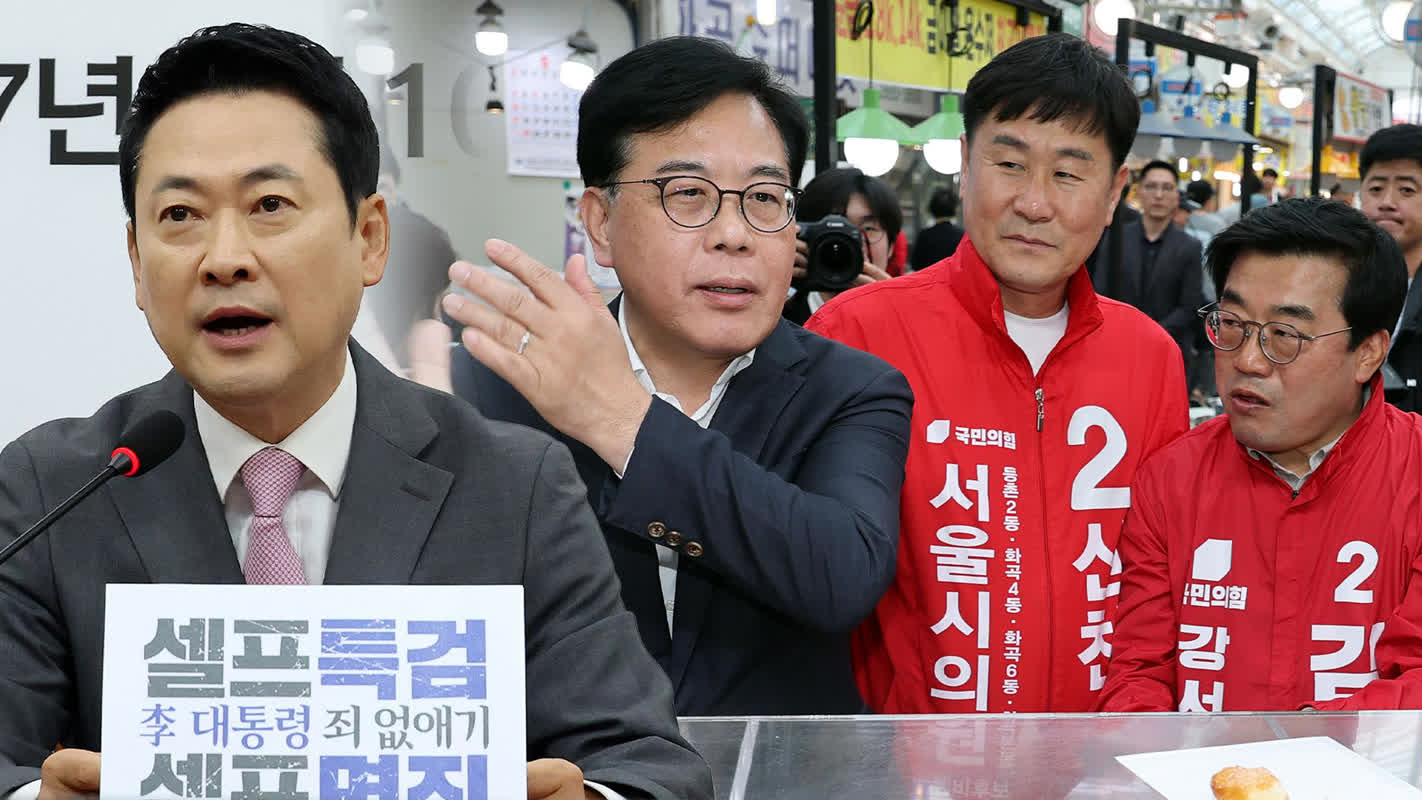
At the meeting, People Power Party lawmaker Lee Seong-gwon said the roles of the SCIO and the Public Security Investigation Office were not properly delineated in advance, leaving the public confused. He added that even within the ruling party, embarrassing disputes have erupted over differing views.
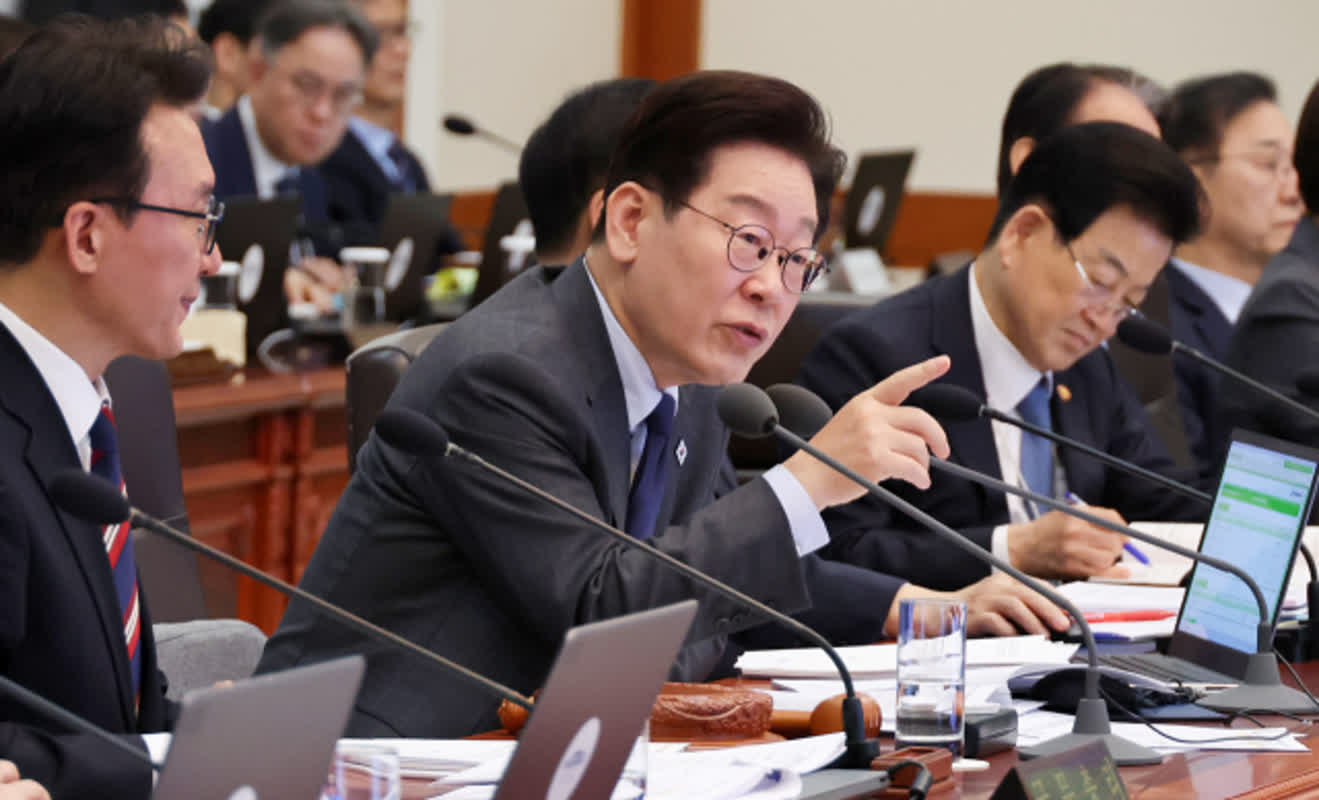
By contrast, Democratic Party lawmaker Lee Sang-sik said that implementing reform now, even if imperfect, is preferable to waiting for perfection and losing the opportunity, and affirmed his commitment to advancing the measure.
The committee plans to accelerate its review, including holding a public hearing on the SCIO bill on the 11th.
That same day, the committee approved an amendment to the Public Official Election Act that would allow municipal councilors to retain their seats when running for provincial council, and provincial councilors to keep their posts when running for local executive office. If the amendment passes the full National Assembly, officials covered by the change will not have to resign during this local election.