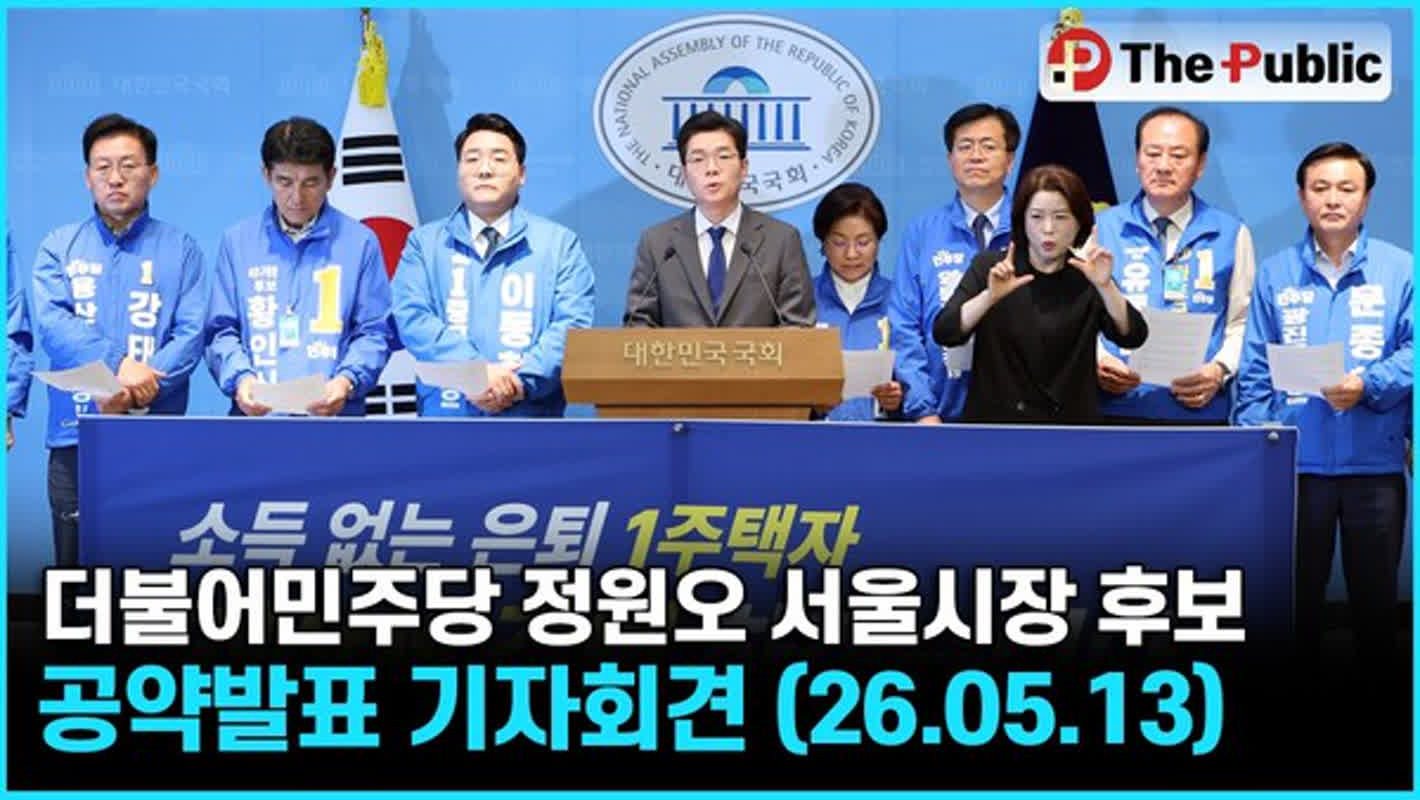
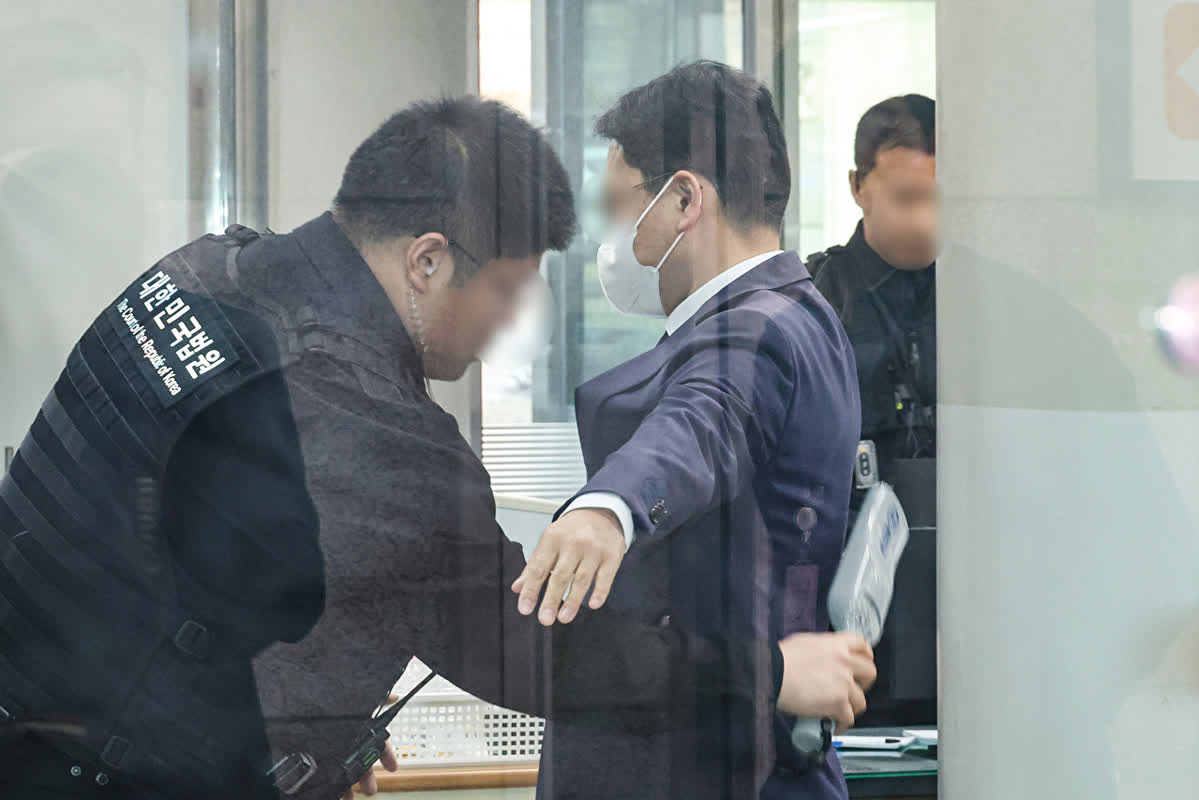
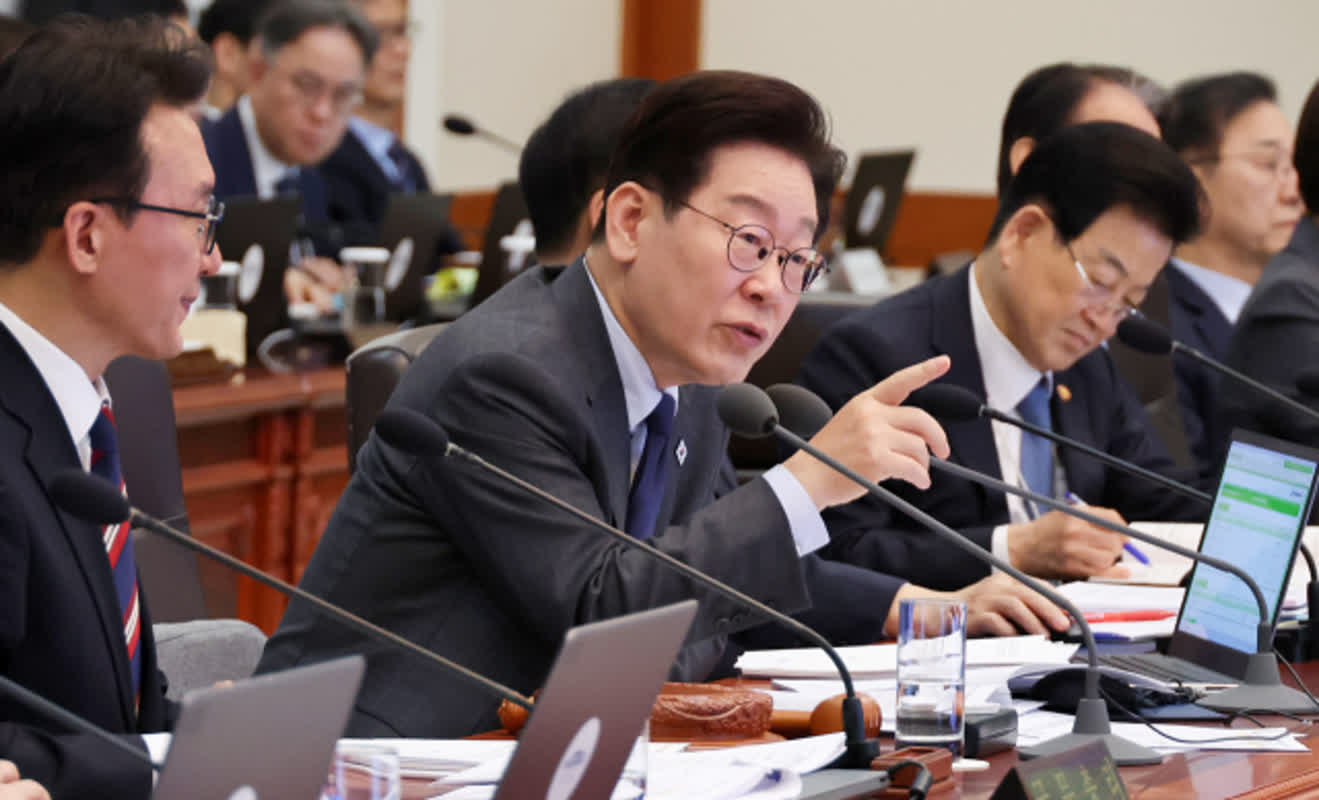
On the 31st — Democratic Party Seoul mayoral primary debate
Park Ju-min and Jeon Hyun-hee criticize Jung Won-oh’s real estate, transit and AI pledges as unrealistic
No mention of alleged Deutsche Motors ties or the Cancún trip
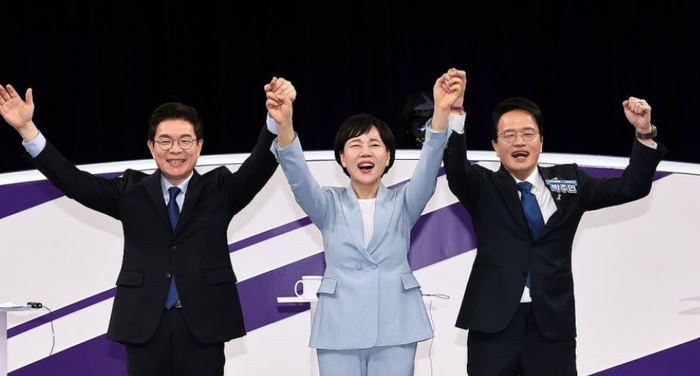
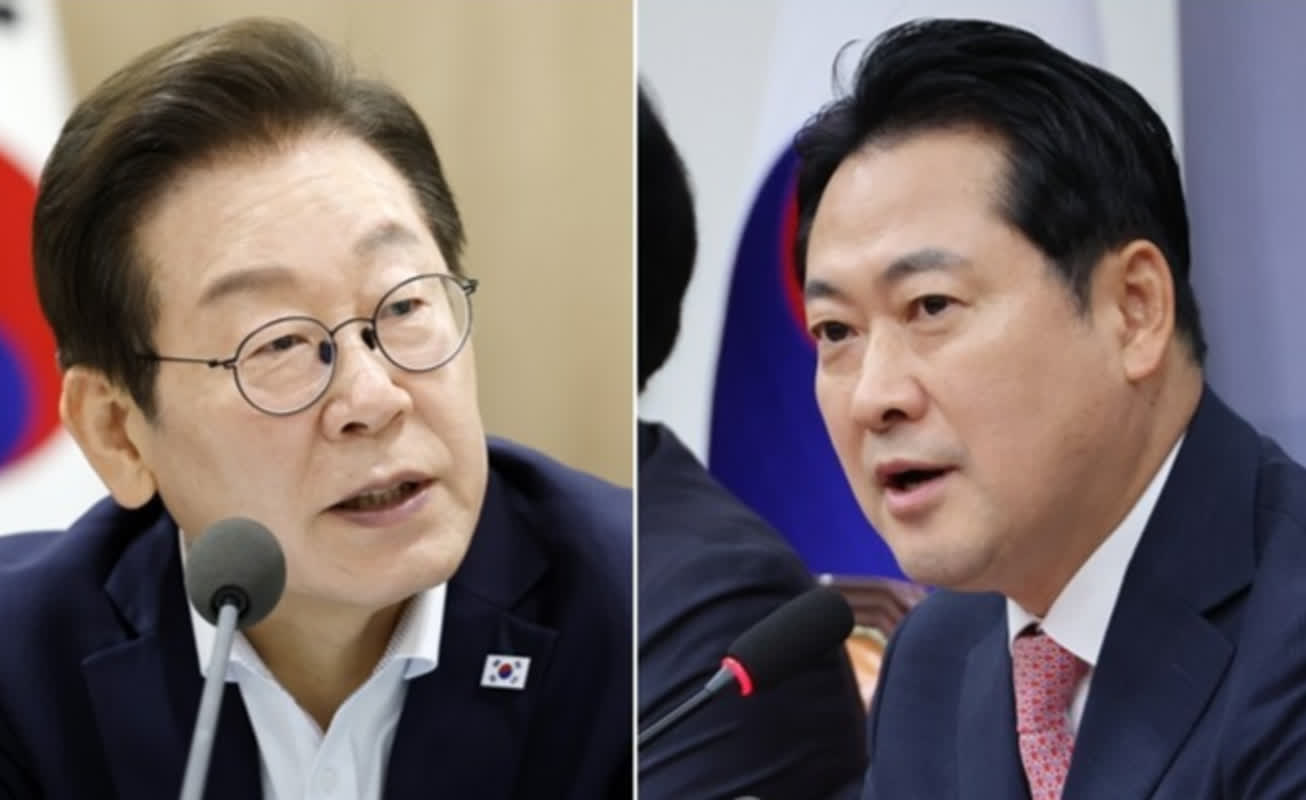
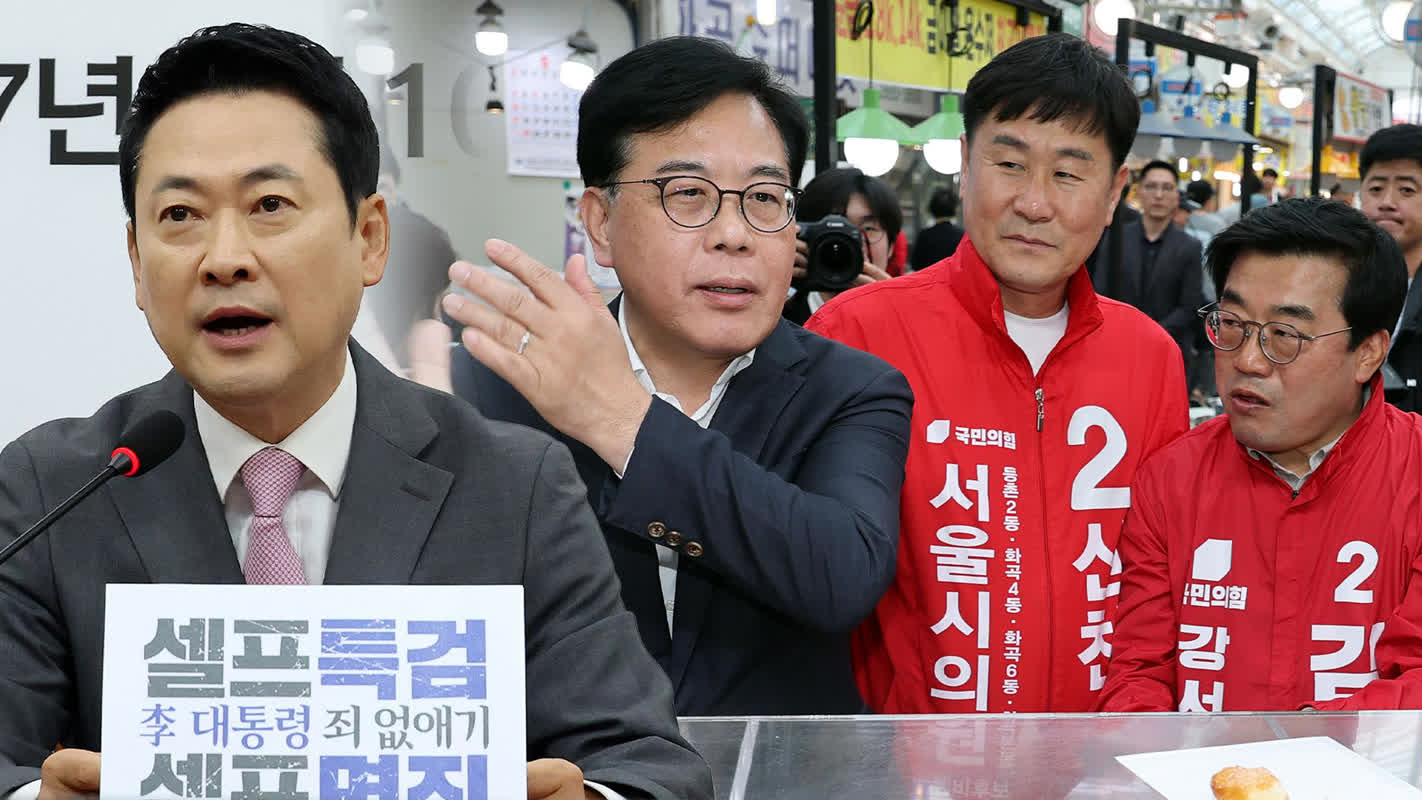
Democratic Party mayoral hopefuls Park Ju-min and Jeon Hyun-hee concentrated their scrutiny on Jung Won-oh — who has been singled out as a presumed “my pick” of President Lee Jae-myung — during the party’s primary debate. Notably, neither candidate raised the pre-debate allegation that Jung took a leisure trip with a female staffer.
At the live MBC debate on the 31st, Park and Jeon, as in earlier rounds of the primary, focused their attacks on Jung’s record and policy proposals.
Park pressed Jung on remarks attributed to Yoon Suk Yeol, asking whether Jung still believed that when a former president received life imprisonment — a sentence lower than prosecutors had sought in a rebellion case — that outcome reflected “the will of the people.” Jung replied that he could not accept arguments for leniency or similar rationales.
Park then challenged Jung’s AI-driven administrative reform pledge, demanding specifics on how the plan would secure graphics processing units (GPUs). Jung said the government had already committed to procuring enough GPUs and that he would utilize government reserves. Park countered that of the 50,000 GPUs the government has acquired, only 10,000 are slated for allocation to public agencies, and some ministries faced more than a 10-to-1 competition rate — evidence, he argued, that the government’s supply is not as ample as Jung implies and that the pledge lacks practical grounding.
The candidates also sparred over Jung’s pledge to repair 150 km of aging sewer pipes per year. Park noted that Mayor Oh Se-hoon had announced a plan to repair 200 km annually and said it was disappointing that a candidate who emphasizes safety would present a target lower than the incumbent’s.
Jeon delivered a sharp critique of Jung’s proposal for “no-frills” apartments. She argued that, given Seoul’s typical redevelopment and reconstruction timelines — often exceeding a decade — even if projects break ground, delivering actual units in a timely manner is unlikely. “No-frills” apartments refer to units with fewer amenities, such as pools or dining facilities, intended to reduce costs.
When Jung suggested that such projects should be built if needed and asked whether all projects don’t take a long time, Jeon countered that applying public-housing models could make supply achievable within a single mayoral term. She cited a successful leased-land apartment model in Gangnam, noting 30-pyeong units (about 99 square meters) now sell for roughly 200 million KRW (about $150,000). She added that similar units recently sold in Magok and Godeok for around 300 million KRW (about $225,000), emphasizing that practical, proven models exist.
Transit proposals drew further debate. Jung outlined pledges for a bus stop within five minutes of people’s homes and a subway within ten minutes. Jeon dismissed these as attractive on the surface but lacking substance, pointing out that Seoul’s bus lines are operated by private companies and that route reconfiguration would require public acquisition or control of those routes.
Jung replied that such changes could be achieved through agreements and said he had already initiated discussions. In response to Jeon’s contention that most subway construction has stalled and that a ten-minute subway is impractical within one term, Jung argued that planned new lines — including the Gangbuk and West lines — were effectively neglected under Mayor Oh Se-hoon and vowed to push those projects forward.
Throughout the debate, the three candidates largely confined themselves to policy scrutiny and avoided negative attacks tied to allegations such as ties to Deutsche Motors or the Cancún trip. Observers said this appeared to reflect the party election committee’s request to focus on policy and avoid inflaming intra-party tensions.
The Deutsche Motors allegation centers on claims that, while Jung served as mayor of Seongdong District, the district accepted sponsorship from Deutsche Motors for a golf event and subsequently expedited administrative processing related to Deutsche Motors’ relocation of its Seongdong headquarters.
The Cancún trip allegation asserts that during Jung’s tenure as Seongdong mayor he traveled to Cancún, Mexico, with a female staffer and that the staffer was incorrectly listed as male on travel paperwork.
Jung dismissed the Deutsche Motors allegation as a clear falsehood. Regarding the travel paperwork, he said the gender entry was a simple clerical error and that the trip included 11 participants, not a single female staffer as alleged.
©(주) 데일리안 무단전재 및 재배포 금지