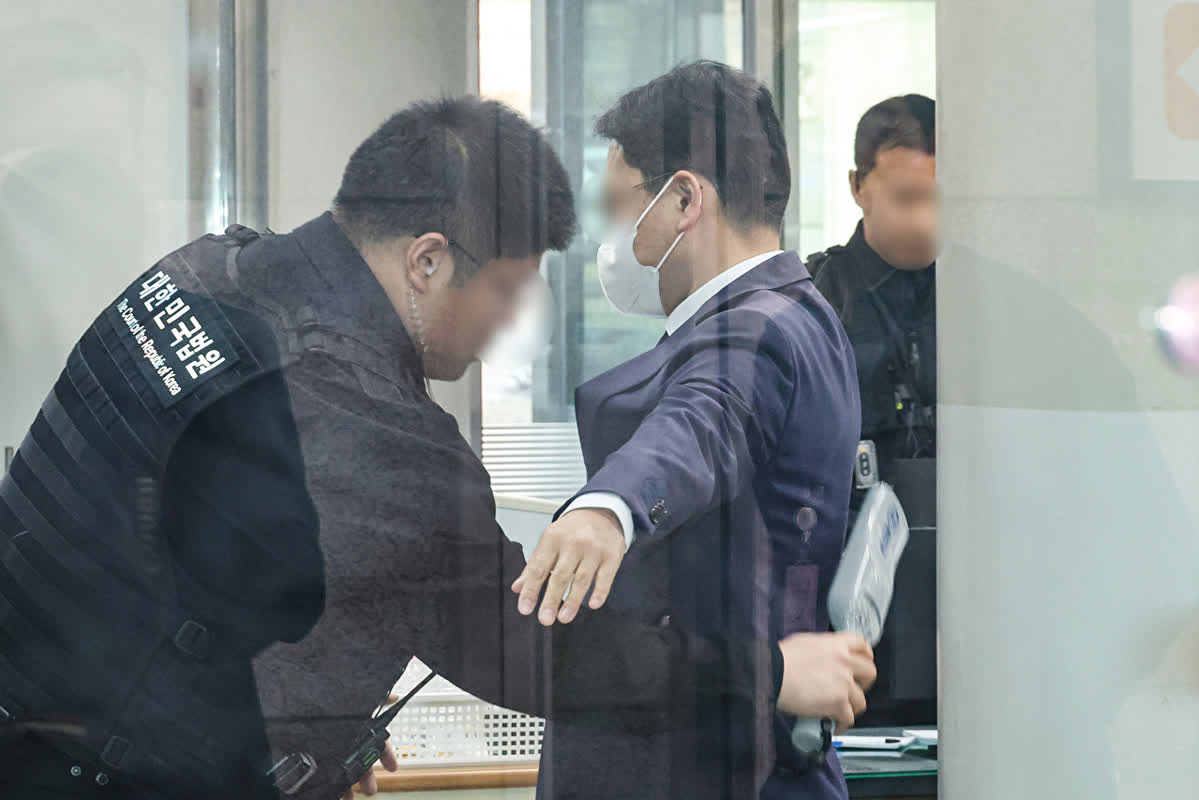
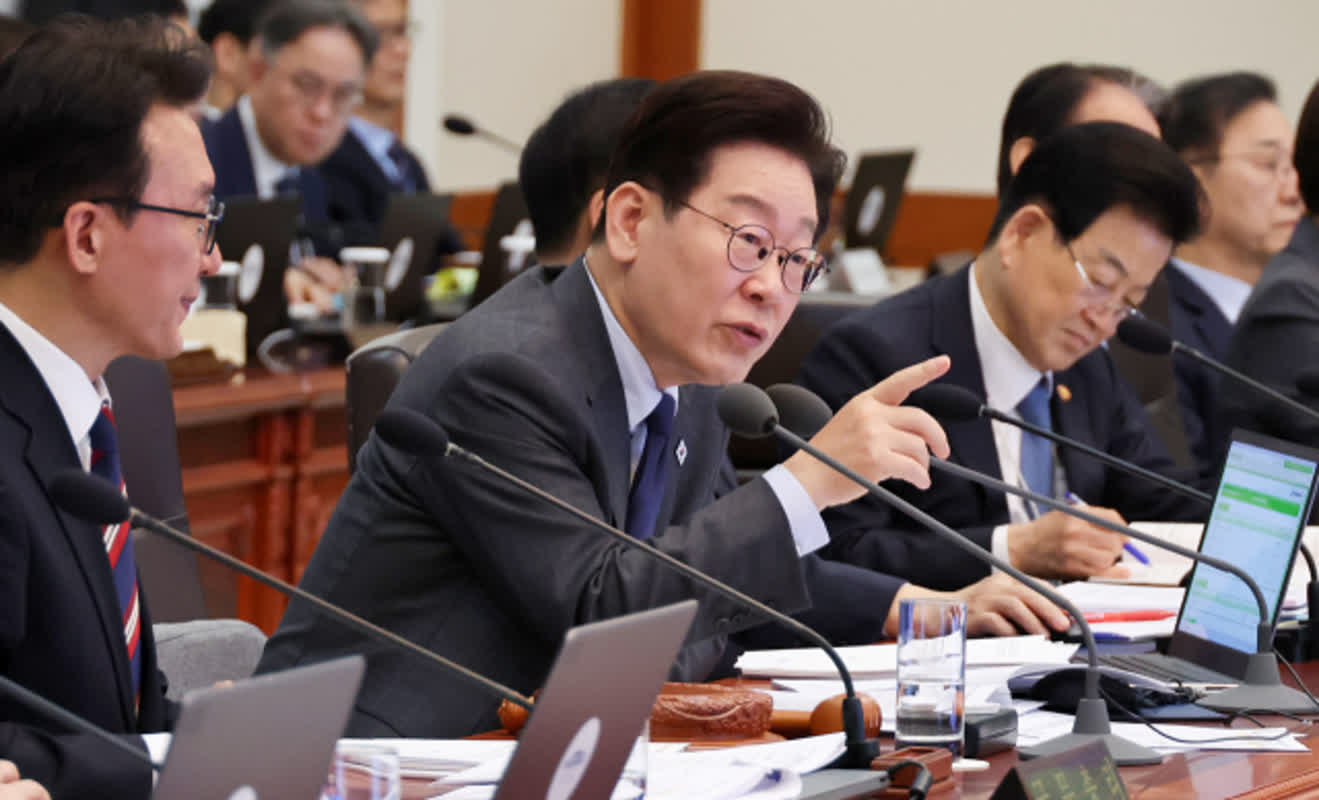
Final primary debate exposes clashes over core policies like welfare, tourism and education
Park Hyung-joon: Most residents of Busan's Nam District support the Pompidou branch
Joo Jin-woo: We must revitalize the Busan Museum of Art and the Busan Museum of Contemporary Art
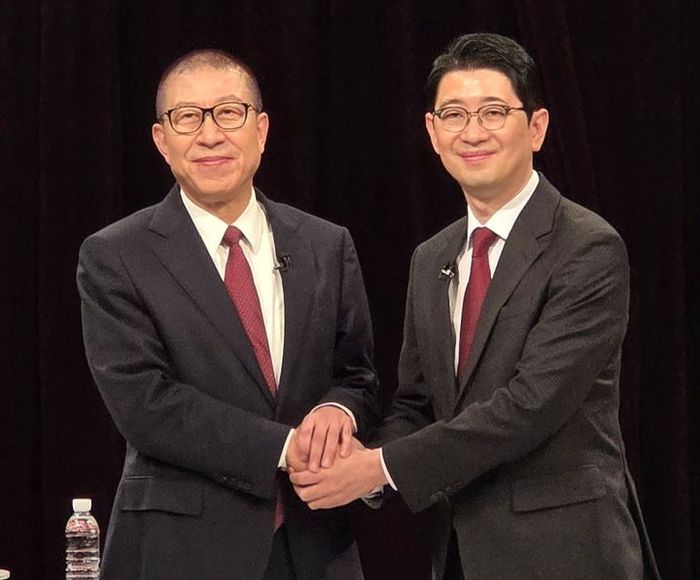
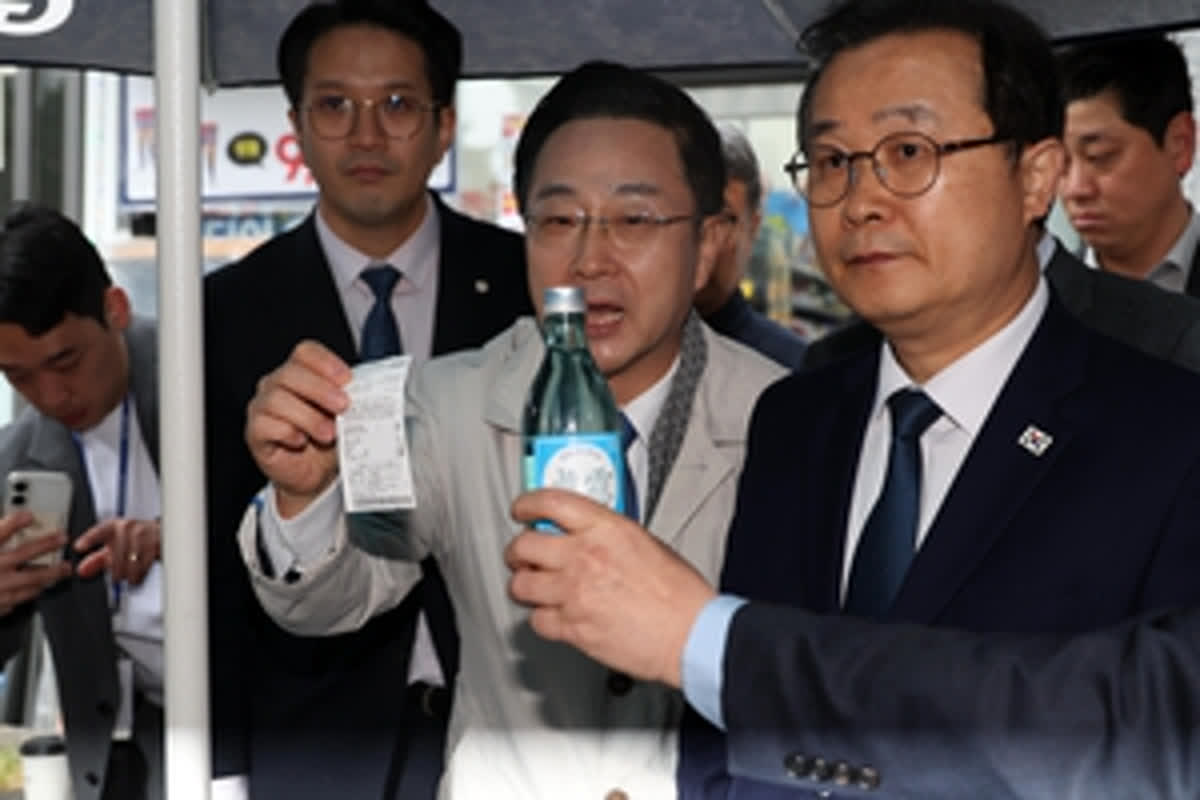
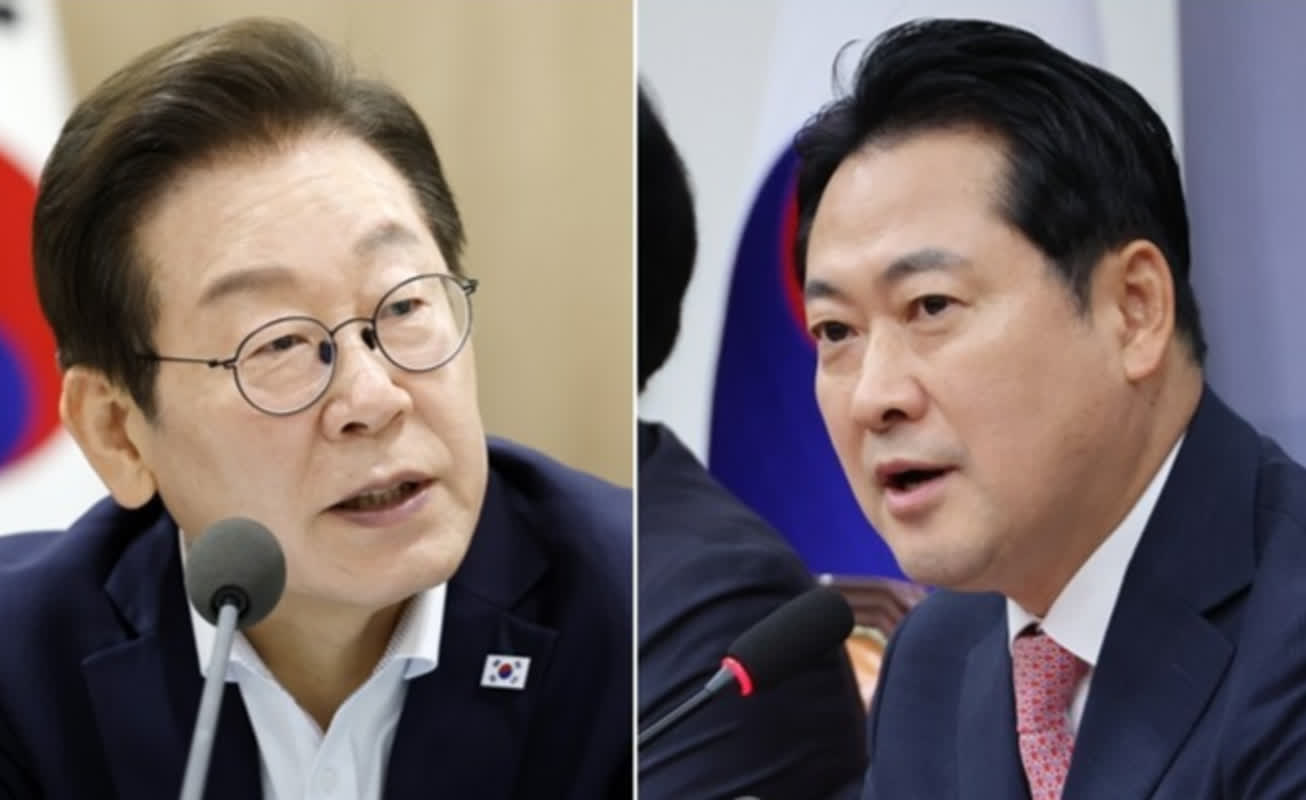
The People Power Party’s final primary debate to choose its Busan mayoral candidate for the June 3 local elections devolved into a heated showdown between Mayor Park Hyung-joon and Rep. Joo Jin-woo. Park leaned on his record and argued for continuity and steady transition; Joo agreed on the problems but proposed markedly different solutions.
At the party’s third mayoral primary debate on the 7th, hosted by the central nominations committee, the two clashed over major policy areas including welfare, tourism and education. Their disagreements over budget priorities, policy tools and general-election electability framed the race as continuity versus change.
Tension was evident from the start. In his opening remarks, Park said the city’s employment ranking rose from last in the country to third and that investment inflows have grown twenty-eightfold. “Busan has entered the ranks of global cities,” he said, putting his five-year record at the center of his appeal.
Joo pushed back, warning that if the general election becomes a referendum on Mayor Park’s record, the party’s chances are weak and many expect a rout. “If we keep going like this, we will lose,” he said, arguing the Democratic Party will use every tactic in the general election. “We need a fighter who can withstand the opposition’s all-out assault, beat Rep. Jeon Jae-su and defend the interests of Busan residents.”
Both candidates also insisted they would be the stronger nominee in the general election. Park argued that because Busan is already on its way to becoming a global hub, the city needs an experienced hand to finish the job. “To turn a global hub into a world-class city, you need a surgeon with proven skill,” he said, urging voters to preserve and build on existing achievements.
Joo countered that fiscal stewardship matters: “Busan spends about 16 trillion KRW (about $12 billion) a year, so clean hands need to handle the budget.” He argued that his record of fighting and sacrificing for the party makes him the better general-election candidate. “You can’t reform the party by separating struggle from nominations. Send me—the candidate who has dedicated and fought for the party—to the general election.”
The debate on welfare, tourism and education grew particularly intense over Park’s flagship proposal to bring a Pompidou Museum branch to Busan.
Joo said building the Pompidou branch would cost 110 billion KRW (about $82.5 million) and that paying royalties could leave the city running an annual deficit of about 7 billion KRW (about $5.25 million). He called instead for energizing the Busan Museum of Art and the Busan Museum of Contemporary Art, and for redirecting Pompidou funds toward job creation for seniors.
Park responded that polls show 64% of residents—and a majority in Busan’s Nam District—support the Pompidou branch. He argued that transforming the Igidae coastal area into a world-class arts and ecology park would create a major tourist draw for Busan and pledged that the proposal is currently in a public deliberation phase. “We will complete the public-discussion process and secure citizen consent by the end of this year before proceeding,” he said.
The two also diverged sharply on welfare policy. Joo proposed a straightforward, immediate support measure: an annual education voucher of 200,000 KRW (about $150) per person to back lifelong learning and activities. “We need innovative welfare that provides direct support immediately rather than getting bogged down in complex administration,” he said.
Park emphasized facility-based welfare, citing infrastructure like Haha Campus and community programs as key to reducing lonely deaths. He stressed that building relationships through learning and community activity is crucial.
Joo reiterated his view that direct cash support would be more efficient than building new facilities.
© Dailian Co., Ltd. All rights reserved. Unauthorized reproduction and redistribution prohibited.