|
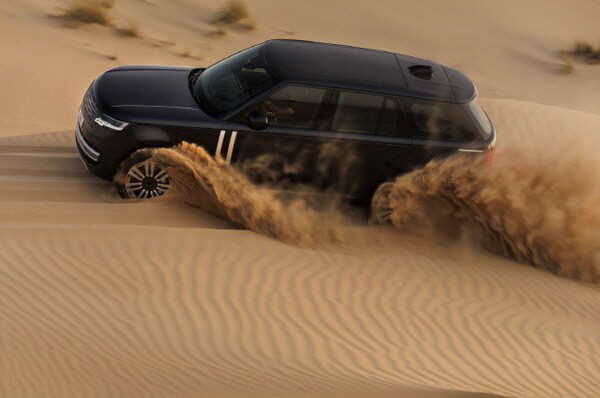
On the 15th, the Korea Imported Automobile Association (KAIDA) identified Land Rover, MINI, Bentley, Rolls‑Royce, Aston Martin, McLaren and Lotus as the primary British brands sold in South Korea. In February, new registrations in the market were 386 for Land Rover, 510 for MINI, 40 for Bentley and 17 for Rolls‑Royce.
In the ultra‑luxury segment, Rolls‑Royce and Bentley are the standout British names. Rolls‑Royce continues to move high‑end models such as the Phantom, Ghost and Cullinan in South Korea, where the brand regards the market as one of its key Asia‑Pacific strongholds.
Bentley’s lineup — led by the Flying Spur, Bentayga and Continental GT — is also selling well, mirroring growing demand for ultra‑luxury vehicles. Industry players say South Korea has become one of Bentley’s major Asian markets.
In the premium small‑car segment, MINI — part of the BMW Group — continues to record steady sales. With its distinctive design language and strong brand character, MINI has built a stable following among South Korean buyers.
British marques are also expanding their electric‑vehicle strategies. In South Korea, they remain especially popular in the premium and ultra‑luxury tiers. Land Rover, in particular, holds a strong position in the SUV market, sustaining steady sales of models such as the Range Rover, Defender and Discovery across the country’s premium SUV segment.
Industry sources note that interest in the brand spiked after the announced launch of the Range Rover Electric this year. According to those sources, preorders in South Korea topped 40,000 through last month. As Land Rover accelerates its electrification, the Range Rover Electric looks set to have a significant market impact.
Even at ultra‑luxury price points, many prospective buyers are lining up for clear reasons: a blend of traditional design and engineering refinement. Rather than exaggerating stereotypical “electric” styling, the brand has retained the familiar proportions of its internal‑combustion models while integrating classic cues with a forward‑looking aesthetic.
Sports‑car maker Lotus has entered the South Korean market with the electric SUV Eletre and plans to broaden its EV portfolio. Sales volumes remain modest, however, as these high‑priced models tend to move primarily to a loyal, affluent customer base. McLaren and Aston Martin show similar patterns. Aston Martin — long associated with the 007 films — has seen global deliveries decline; the company sold 5,448 cars worldwide last year, a 10% drop from the prior year.
Many once‑British marques are now parts of global automotive groups. Jaguar and Land Rover are owned by India’s Tata Motors; Rolls‑Royce and MINI sit under the BMW Group; Bentley is part of the Volkswagen Group; and China’s Geely is the majority shareholder in Lotus. Analysts say the global reshuffling of the auto industry is increasingly decoupling a brand’s national identity from its corporate ownership.