|
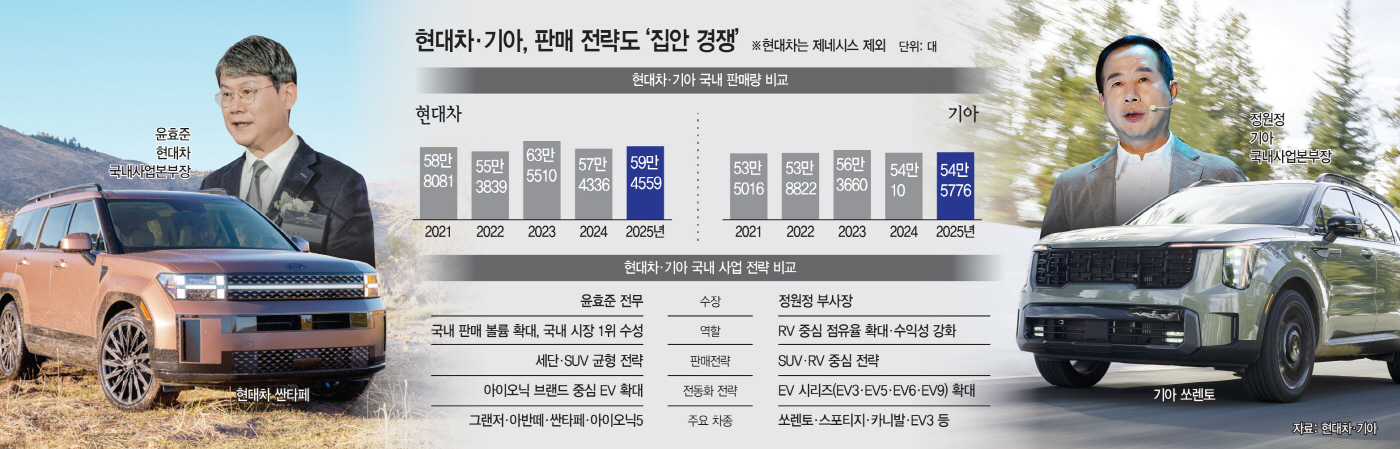
On the 10th, Hyundai Motor Group reported that Hyundai’s domestic sales last year, excluding Genesis, rose 3.5% to 594,559 units. Over the same period, Kia sold 545,776 vehicles, up 1%. Hyundai still leads, but the sales gap has narrowed noticeably.
A five-year view makes the shift clear. Hyundai sold 588,081 vehicles in 2021, fell to 553,839 in 2022, rebounded to 635,510 in 2023, and then slipped back below 600,000, highlighting volatile demand.
By contrast, Kia has consistently stayed around the 500,000 mark. In 2023 it posted a record 563,660 units and has since maintained steady sales in the mid-540,000s. Hyundai, meanwhile, has yet to surpass its all-time high of 795,941 vehicles set in 1996, underscoring the divergence.
This outcome is notable because Kia achieved it without a separate luxury brand. Unlike Hyundai, which operates the upscale Genesis marque, Kia never established a distinct premium division despite selling higher-end sedans in the past such as the Enterprise, Opirus and K9. Today Kia relies on a single brand for its domestic sales.
That dynamic puts pressure on Hyundai. Where Hyundai once showed overwhelming dominance in domestic sales, Kia has quickly closed the gap by capitalizing on SUV competitiveness.
In response, Hyundai made a bold move late last year, replacing its domestic business chief for the first time in two years. In December, Hyundai appointed Executive Vice President Yoon Hyo-jun as head of its domestic business, tasking him with expanding domestic sales and defending market share.
Yoon has long overseen sales and strategy within Hyundai’s domestic sales organization. His top priorities are defending the No. 1 position in the home market and increasing sales volume. Industry observers expect Hyundai to pursue a sales strategy that better balances its sedan and SUV lineups.
Jeong Won-jeong, who became head of Kia’s domestic business in 2023, is credited with building a stable sales structure by focusing on SUVs and multi-purpose vehicles. A sales veteran with both global and domestic experience, he is working to expand market share and improve profitability based on Kia’s SUV lineup.
SUVs are now central to Kia’s recent sales performance. Models such as the Sorento, Sportage, Seltos and Carnival (a minivan) have maintained steady popularity and driven the brand’s volumes. The strength comes from broad, even demand across the SUV lineup rather than reliance on a single hit model.
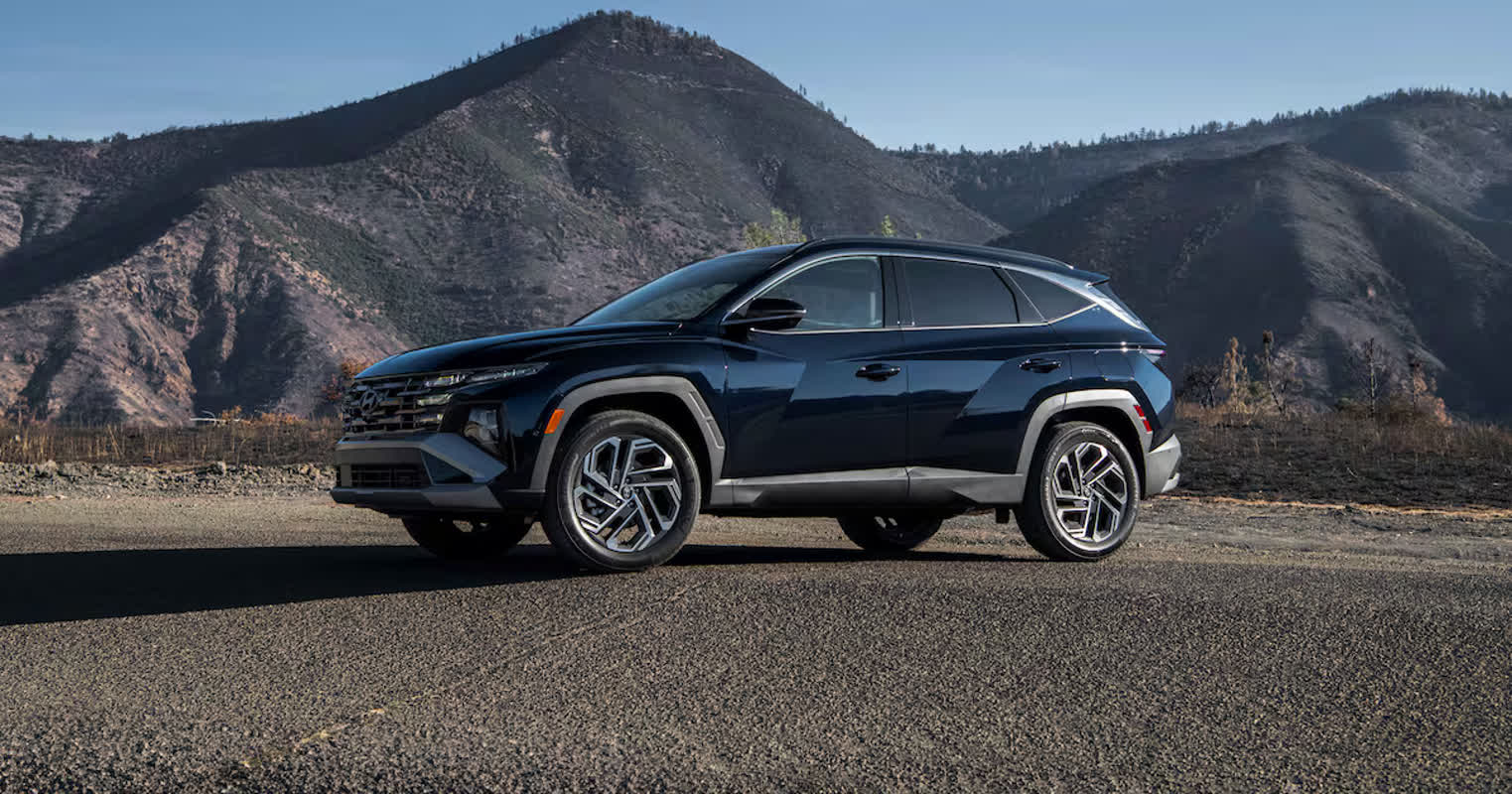
Industry analysts say Hyundai’s core SUVs — the Santa Fe, Tucson and Kona — show a somewhat weaker market presence compared with Kia’s competing models, and they point to design appeal as a key differentiator.
Several industry sources say consumers increasingly judge vehicles first on design and brand image rather than performance or features, and that styling often determines whether an SUV succeeds in the market.