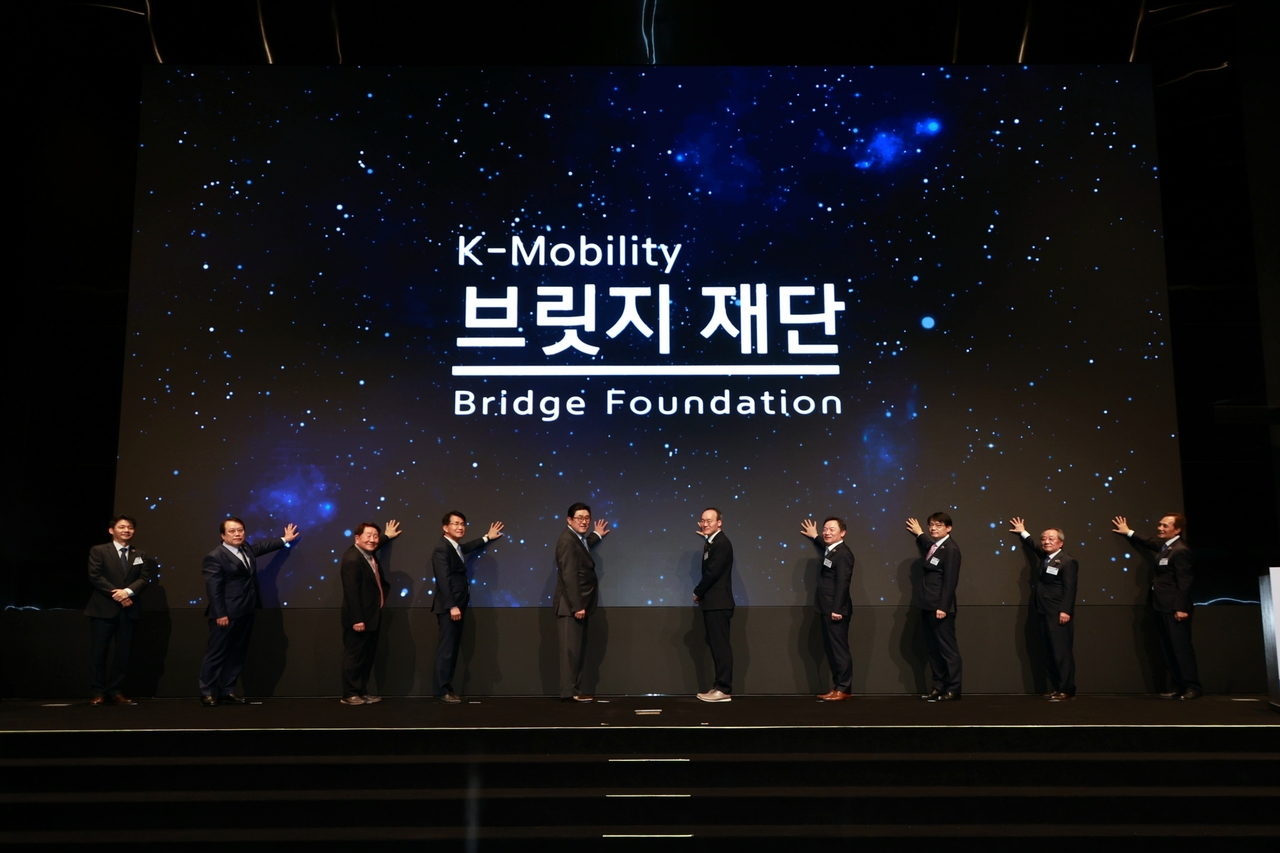
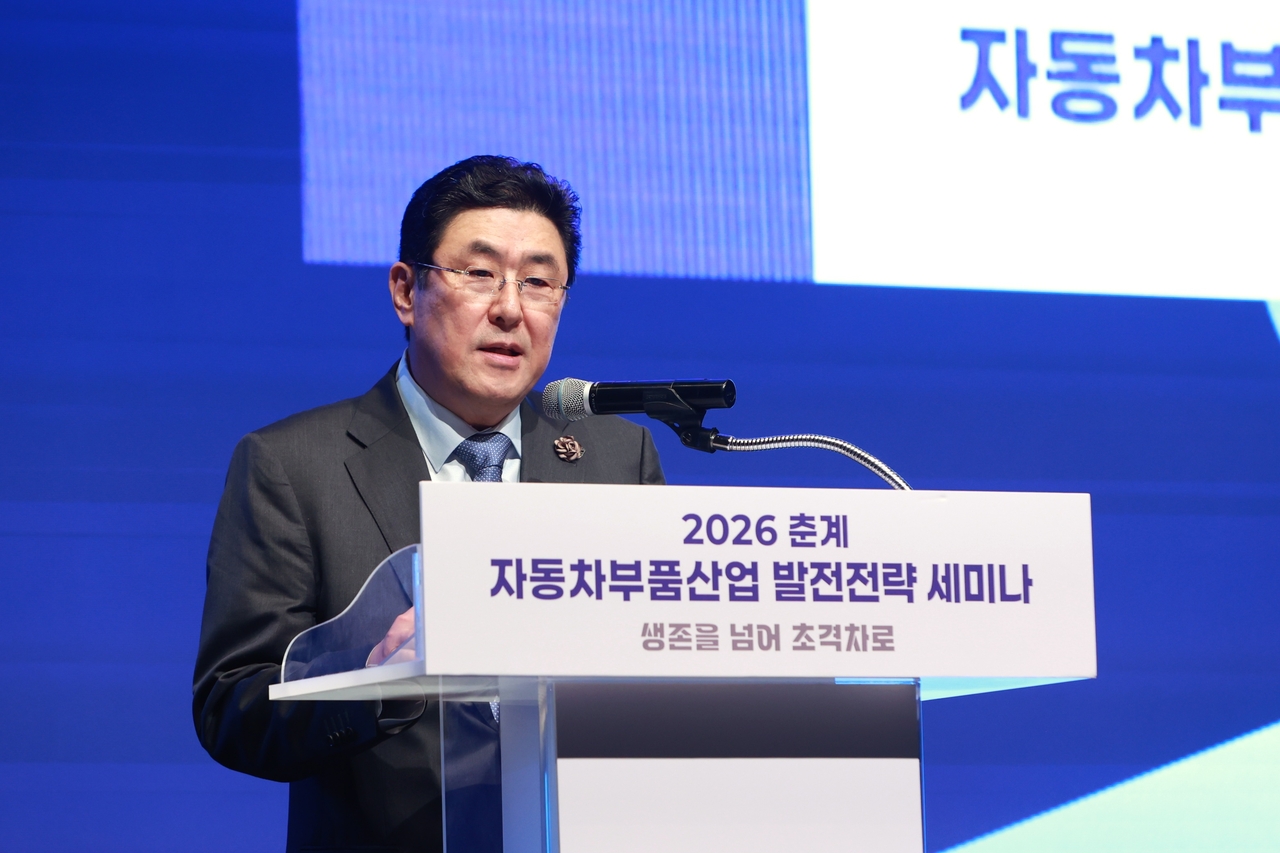
The foundation officially announced the name change at its 2026 Spring Seminar on Development Strategy for the Automotive Parts Industry on April 2 at L Tower in Seoul’s Gangnam district. About 350 industry stakeholders attended, including auto executives and parts company CEOs.
The rebranding signals a strategic transition from a parts‑centric support model to broader engagement across the mobility ecosystem. The foundation plans to strengthen overseas business support and its capacity to respond to global regulations, and to provide systematic assistance for domestic parts suppliers looking to expand internationally. It identified serving as a bridge among automakers, parts suppliers, and technology and service providers as a central priority.
Ahn Jung‑gu, chairman of the foundation, said, “The auto industry is no longer confined to parts; it is rapidly reorganizing around mobility. This name change is a strategic response to that structural shift.” He added, “As a platform that connects industries, we will intensify practical support so parts companies can overcome the challenges they face.”
Shim Jeong‑hoon, managing director at KPMG, addressed governance risks following recent amendments to the Commercial Act, stressing that with directors’ duties extending toward shareholders, board independence and effective governance have become increasingly important.
Nam Yoon‑chul, also a managing director at KPMG, discussed AI‑driven management innovation, describing AI as the “next‑generation OS” for companies. He said automating core processes can help protect profitability and that rapid experimentation followed by standardized scaling is critical to successful adoption.
The foundation said it will use the seminar as a launchpad to deepen cross‑industry collaboration and information sharing, and will continue expanding its role as a support platform for the mobility transition.