Despite the threat of Iranian attacks, the United Arab Emirates (UAE) and several crude buyers have resumed moving oil through the Strait of Hormuz, industry sources say. International reports indicate operators shifted shipments that had been trapped in the strait by running tankers with their automatic identification systems (AIS) turned off.
On the 8th (local time), Reuters, citing industry sources and vessel-tracking data, reported that the Abu Dhabi National Oil Company (ADNOC) used four very large crude carriers (VLCCs) at a Gulf terminal in April to export at least 4 million barrels of Upper Zakum crude and 2 million barrels of Das crude.
Those cargoes were transferred ship-to-ship (STS) to other tankers, which then moved the oil to refineries in Southeast Asia or to storage facilities in Oman. Some shipments reportedly went directly to South Korean refiners.
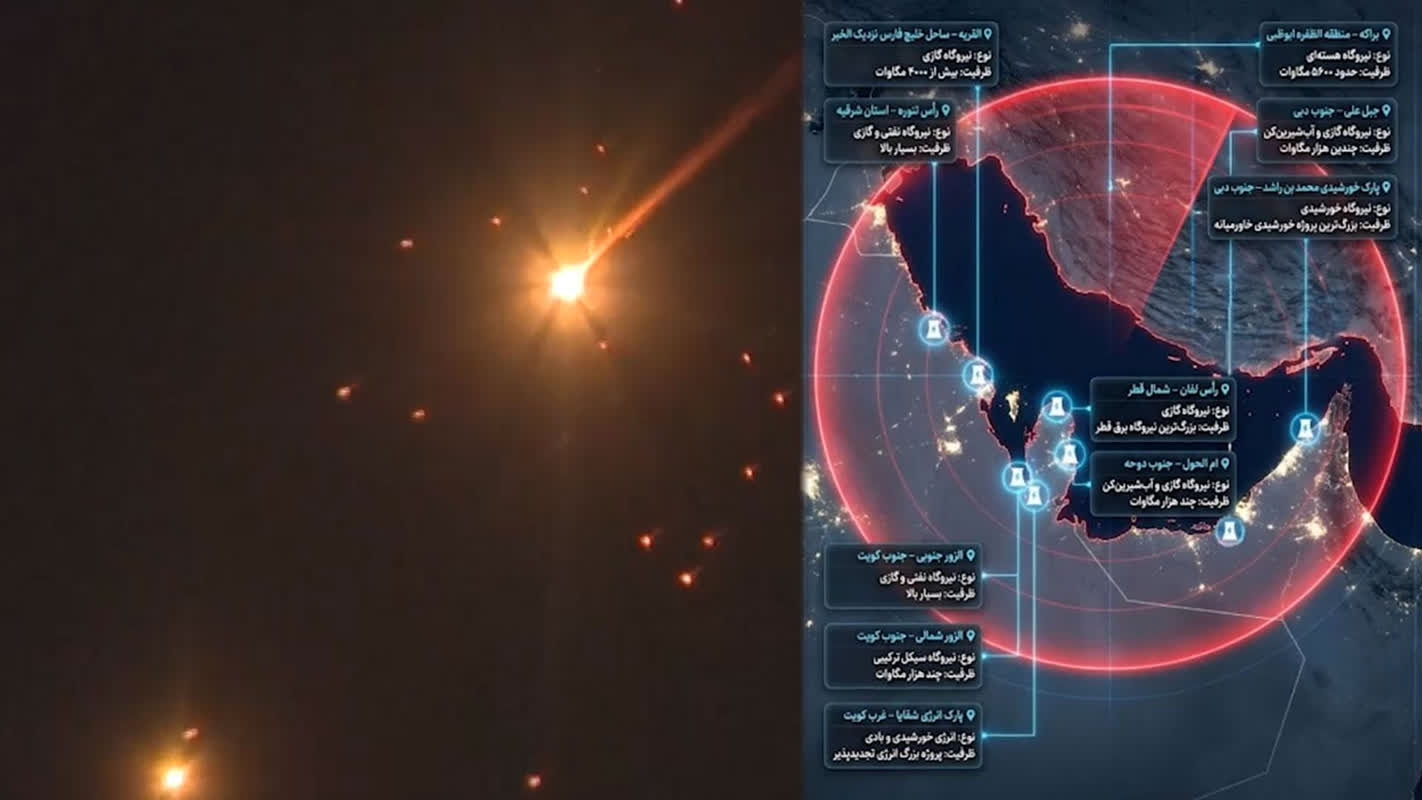
Tensions in the Strait of Hormuz have spiked following U.S. and Israeli strikes on Iran. Since Feb. 28, Iran has effectively blocked passage through the strait for everything except its own oil and gas. Coupled with U.S. blockade measures, the disruption pushed international oil prices above $100 per barrel.
ADNOC’s export volumes have fallen amid the disruption. Kpler data show ADNOC trimmed exports by more than 1 million barrels per day after the outbreak of hostilities. Last year, its daily average exports were about 3.1 million barrels.
During the April operations, crews reportedly switched off AIS to avoid detection by the Iranian navy — a tactic similar to methods Iran has used to evade U.S. sanctions in the past.
The UAE also said on the 5th that Iran struck the empty ADNOC-owned tanker Barakah with a drone while it was transiting the Strait of Hormuz.
Vessel-tracking data from Kpler confirm the movements. Kpler reports that the VLCC Hafit loaded 2 million barrels of Upper Zakum crude in the Persian Gulf on April 7 and exited the strait on April 15. The cargo was later shifted to the Greece-flagged VLCC Olympic Luck and transported to the Pengerang refinery in Malaysia, a Petronas–Saudi Aramco joint venture.
The VLCC Alyakmon 1, carrying 2 million barrels of Das crude, was loaded on April 27 and left the Strait of Hormuz on May 2, discharging at Oman’s Ras Markaz storage facility.
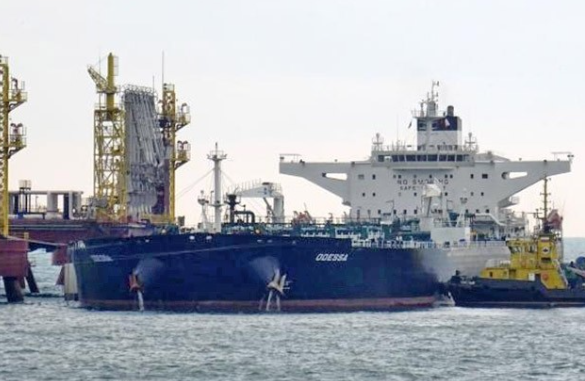
Suezmax tankers Odesa and Juju N are also reported to be headed to South Korea, each carrying roughly 1 million barrels of Upper Zakum crude.
The Odesa is the first tanker to reach South Korean waters since the Strait of Hormuz was blocked. It slipped through during a brief opening after a U.S.-Iran ceasefire. The vessel left the UAE on the 16th of last month and passed the strait on the 17th, two days before Iran reimposed the blockade.
About 10 a.m. that day, the Odesa arrived at sea near HD Hyundai Oilbank’s offshore mooring, roughly 5 km from shore. Around 1:30 p.m., it berthed at the mooring and began unloading. The crude was pumped through an undersea pipeline into HD Hyundai Oilbank’s storage tanks.
ADNOC has reportedly told some customers it can supply Das and Upper Zakum crude via STS transfers at ports outside the Gulf, including Fujairah and Sohar in Oman.