 |
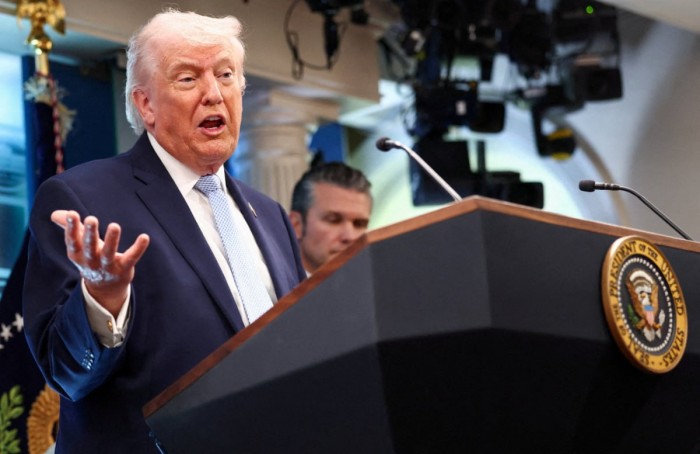
| U.S. President Donald Trump. |
President Donald Trump is reportedly weighing the withdrawal of U.S. forces from NATO countries he judges uncooperative in the Middle East conflict. Frustrated with NATO, Trump is considering a transactional approach—redeploying U.S. forces based on each ally’s contributions. Because he has publicly criticized the muted responses of non‑NATO partners such as South Korea and Japan, officials warn the policy could expand to include repositioning U.S. forces on the Korean Peninsula and in Japan.
The Wall Street Journal reported on April 8 that Trump and his aides have been reassessing allied contributions and discussing the redeployment of military assets according to the level of cooperation. The proposal would pull U.S. troops out of specific NATO states and shift them to countries that actively back the U.S. effort in the Middle East. That is different from the full NATO exit he mentioned during the Greenland controversy; a formal withdrawal from NATO would require two‑thirds approval in the U.S. Senate and is effectively unrealistic.
Spain and Germany have emerged as likely candidates for U.S. base closures. Madrid is reportedly the only NATO capital that has not signaled willingness to set defense spending near 5% of GDP, and it denied overflight permission for U.S. aircraft heading to the Middle East. German officials publicly criticized U.S. military action, calling it \"not our war.\"
By contrast, Poland, Romania, Lithuania and Greece have been viewed as supportive of operations aimed at Iran and could be beneficiaries of increased deployments. They were among the first to endorse creating a multinational force to monitor the Strait of Hormuz. Romania, in particular, quickly approved U.S. Air Force use of its bases after hostilities began. Still, forward‑deploying U.S. troops to Central and Eastern Europe risks provoking nearby Russia, making such moves a double‑edged sword.
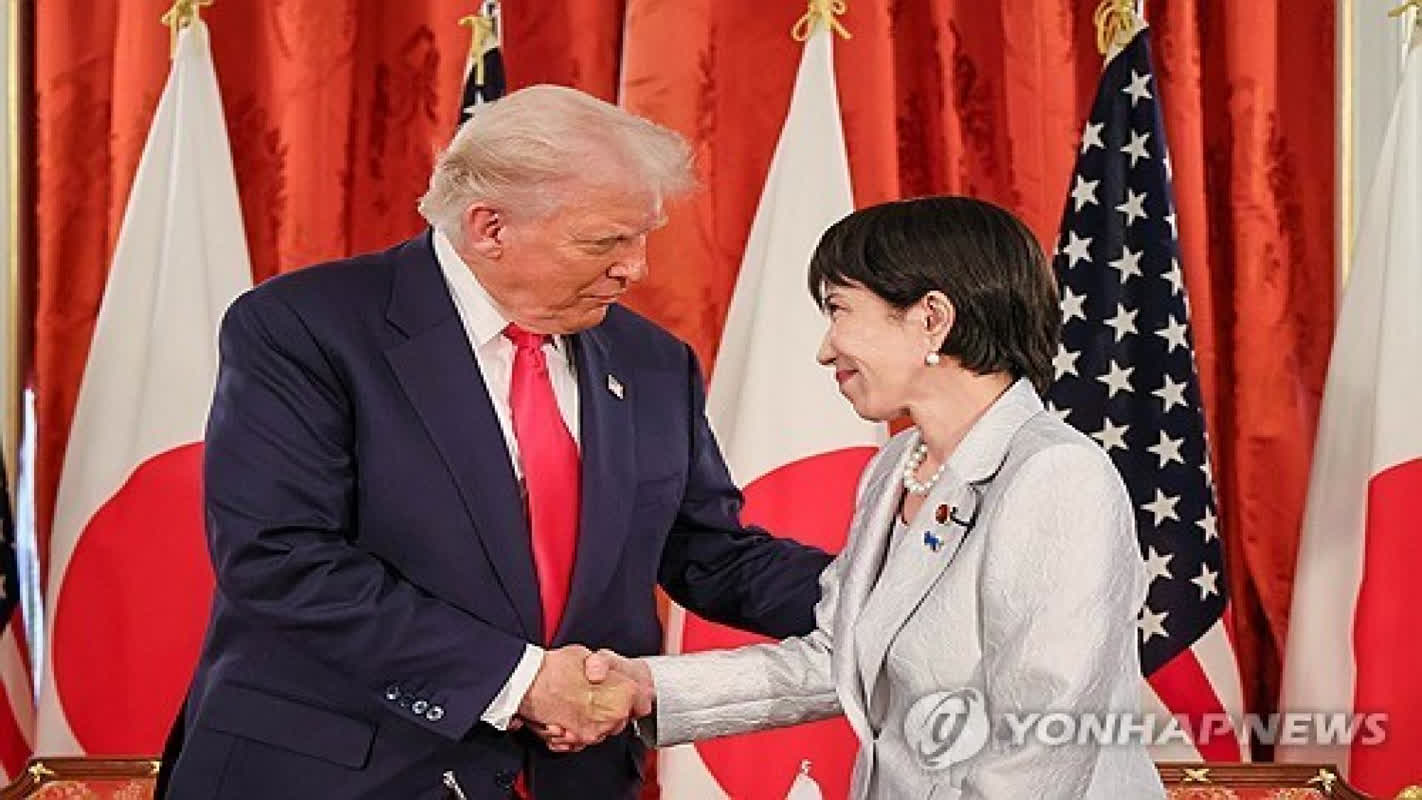
Trump’s grievances during this conflict are not limited to NATO members, a fact that should concern Seoul and Tokyo. He has repeatedly complained that South Korea and Japan were ungrateful after declining requests to dispatch warships to secure the Strait of Hormuz. He also overstated by saying South Korea hosts 45,000 U.S. troops “right next to” nuclear forces, using that figure to press allies on burden‑sharing.
The U.S. has reassigned key air‑defense assets from U.S. Forces Korea—including the THAAD system and Patriot interceptors—to the Middle East. After the Pentagon’s new National Defense Strategy earlier this year emphasized the Korea deployment as a check on China, U.S. fighters have flown solo missions over the Yellow Sea, signaling shifts in mission roles. Given that Trump could use troop reductions or redeployments as leverage to demand higher defense contributions, Seoul should prepare for a range of contingencies and reinforce readiness.