Cooperation to Counter Smuggling via Military Mail; Strengthening Investigative Ties with Controlled Deliveries and Information Sharing; Sharing Border Enforcement Practices Through On-Site Inspections
Amid ongoing concerns that illicit drugs may be entering South Korea via U.S. Forces Korea (USFK), South Korean and U.S. investigative agencies have stepped up cooperation. Practical efforts to strengthen border-level interdiction capabilities have emerged as a central priority.
On March 17, Pyeongtaek Direct Customs in Gyeonggi Province said the U.S. Army Criminal Investigation Division (CID) Far East Branch visited the customs office to discuss responses to drug smuggling and ways to tighten investigative cooperation. Officials said the visit aimed to coordinate efforts to counter potential illegal drug imports sent through U.S. military mail.
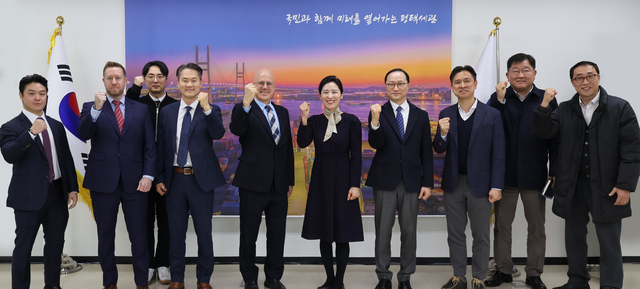
During the meeting, the two agencies agreed to deepen practical cooperation focused on measures such as controlled deliveries, investigative assistance when U.S. service members are suspects, and expanded sharing of domestic and international drug-crime intelligence.
They also agreed to build a response framework that links pre-investigative information sharing and tracking with formal investigative phases.
On-site collaboration ran alongside the talks. CID officials toured Pyeongtaek Direct Customs’ express clearance office, the primary surveillance post, and the detection-dog facilities to observe border-stage enforcement procedures and inspection systems firsthand. They exchanged practical enforcement techniques, including canine search methods.
Officials said the cooperation represents a structural response to drug crimes that can arise in the unique environment of USFK. Because narcotics can potentially be routed through channels such as military mail—outside ordinary customs procedures—coordination between Seoul and Washington is necessary to prevent enforcement blind spots.
A Pyeongtaek Direct Customs official said, “Close cooperation with the U.S. Army CID is essential to stop drugs at the border. We will use this visit as a springboard to build a more systematic response to drug crimes linked to U.S. Forces Korea.”
Pyeongtaek — Reporter Ha Jeong-ho jhha999@viva100.com