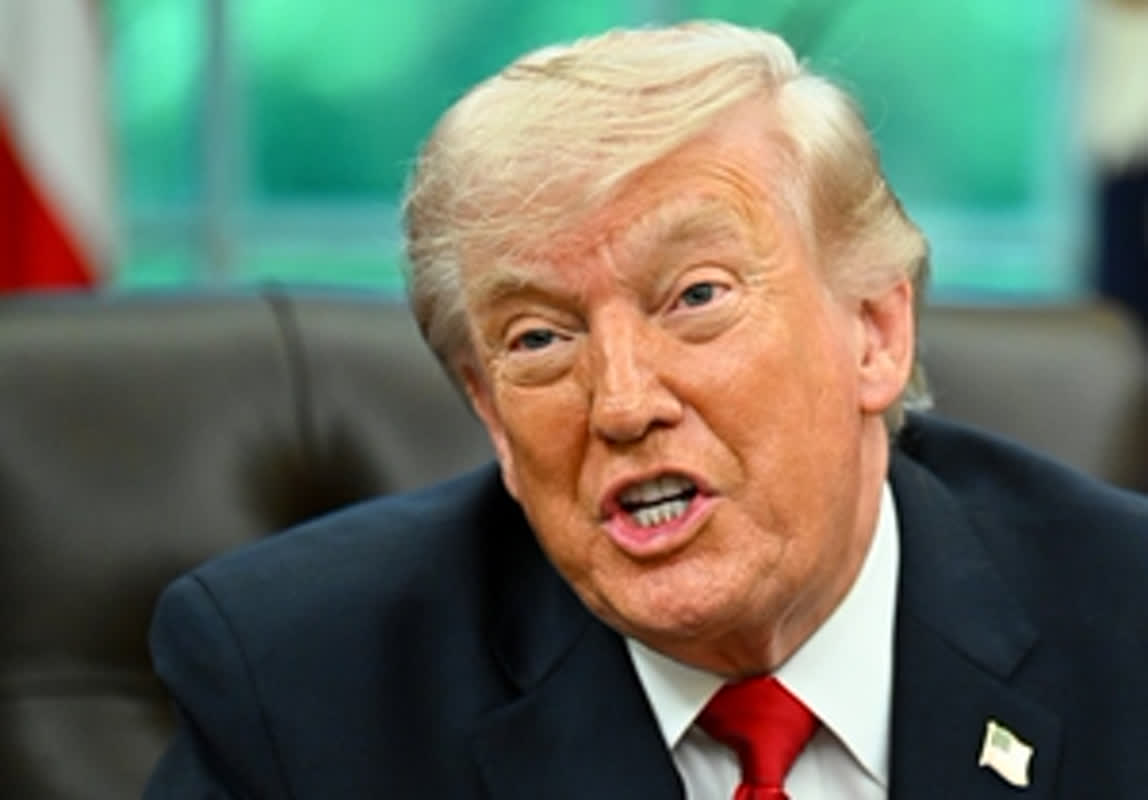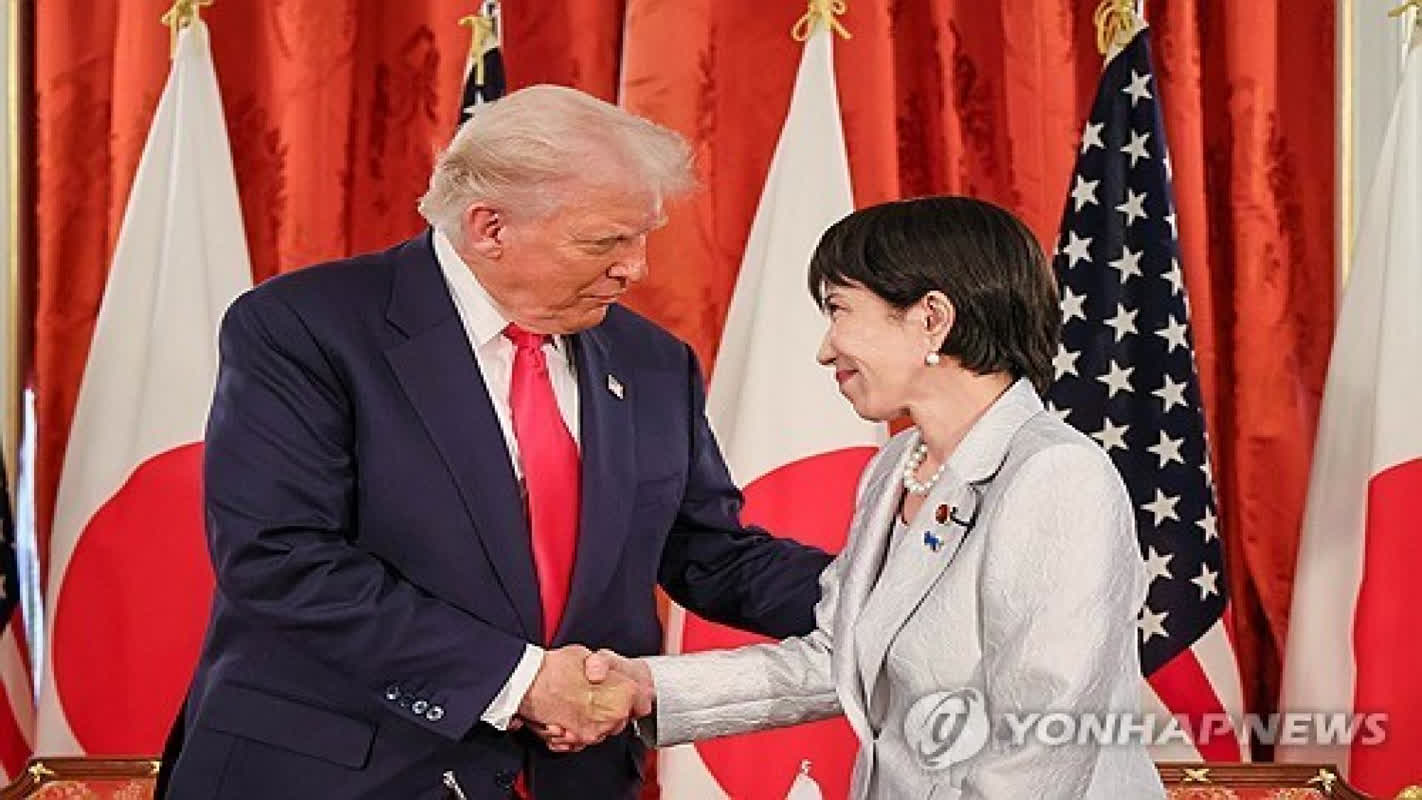
When U.S. President Donald Trump on the 14th (local time) urged South Korea to dispatch warships to the Strait of Hormuz, the Blue House said it would carefully review the request and make a decision.
Trump made the appeal on his social media platform, Truth Social, naming countries he said would be affected if the strait were blocked — including South Korea, China, Japan, the U.K. and France — and arguing that states that receive oil via the route must help ensure its security.
On the 15th, a Blue House spokesperson said, "The safety of international sea lanes and freedom of navigation serve every country's interests and are protected by international law. On that basis, we hope global maritime logistics can be restored quickly."
The official added that the government is closely monitoring developments in the Middle East and the actions of relevant states while comprehensively considering and exploring measures to protect Korean citizens and secure energy shipping routes.
Seoul supports the objective of normalizing international logistics but gave a cautious response — saying it is reviewing options to ensure transport safety — noting that it has not received a formal request from the U.S. administration.
Still, because the appeal came from a key ally and a closure of the Strait of Hormuz would deepen strains on domestic firms, Seoul faces pressure to identify practical alternatives.
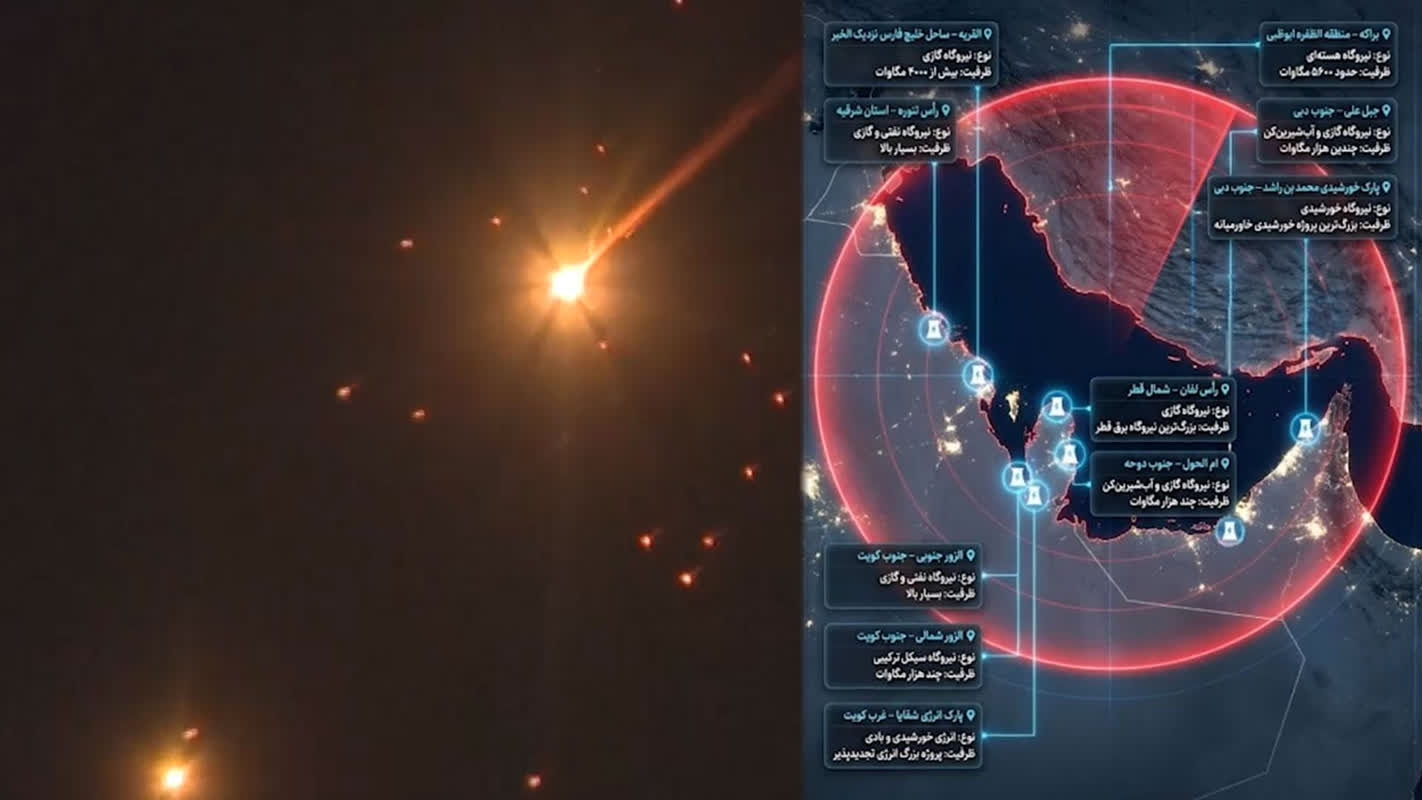
Officials warn that sending naval vessels would entail significant operational risk and could raise questions about the need for parliamentary approval. In the immediate aftermath of hostilities on the 28th of last month, Iranian strikes are believed to have hit at least 16 commercial ships.
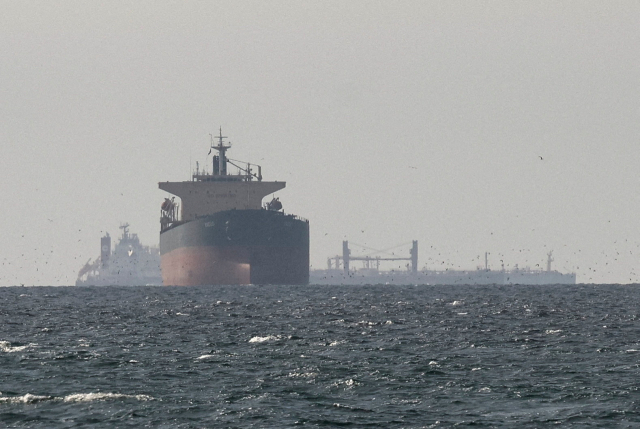
The strait is roughly 33 km across at its widest, but the navigable channel for large ships narrows to about 3.7 km one way. A convoy operation would leave ships exposed to potential attacks from Iranian forces as they transit.
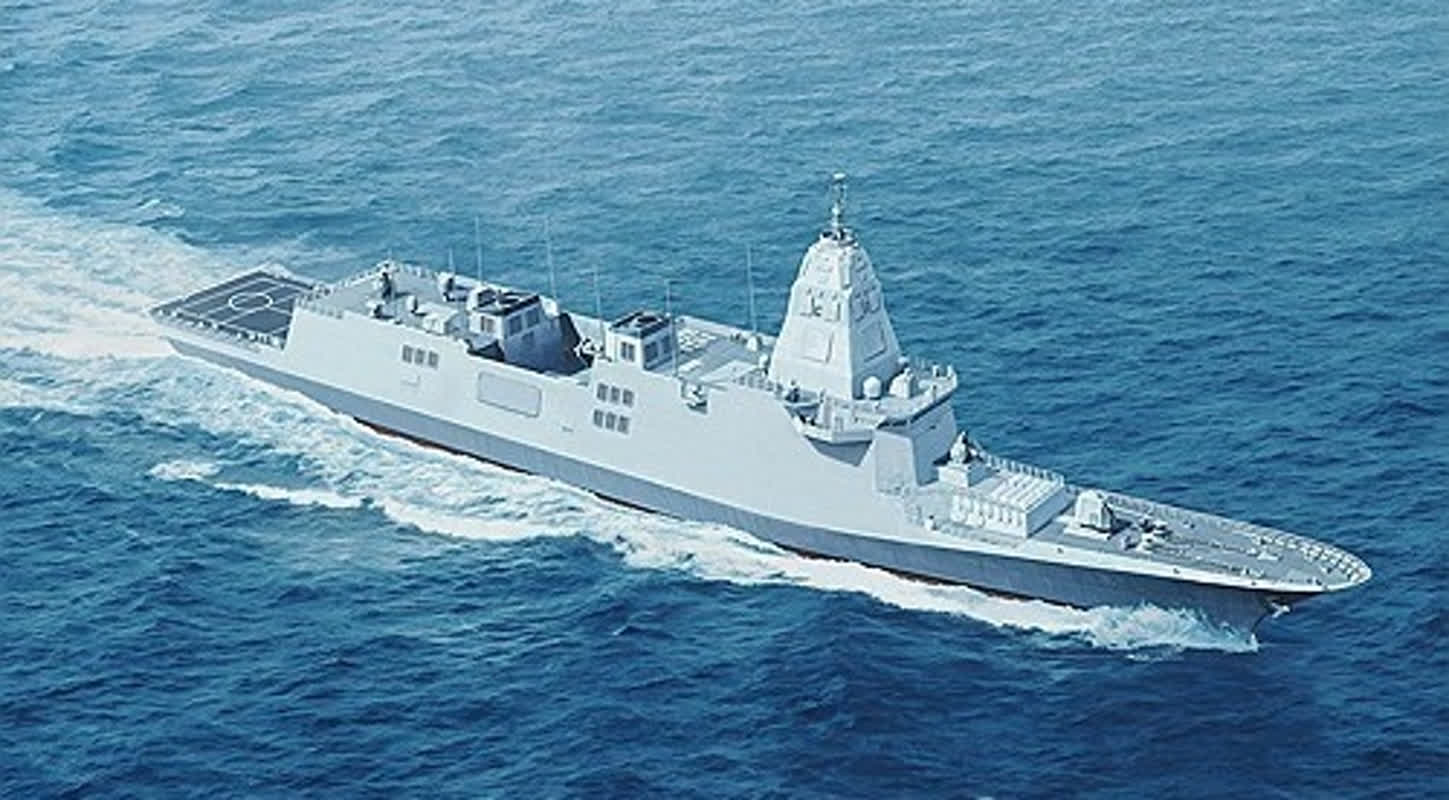
Government officials say Seoul would likely consider deploying the Cheonghae Unit first if Washington makes a specific request.
The Cheonghae Unit deployed to the Strait of Hormuz in 2020, during Trump's first term, when tensions between the U.S. and Iran escalated after the U.S. killed IRGC commander Qassem Soleimani; the unit escorted South Korean commercial vessels at that time.
But military authorities say the current situation differs. If the Republic of Korea Navy were to operate in the Strait of Hormuz now, it would likely function as part of a multinational force — which could alter its mission profile and trigger the need for National Assembly consent.
The dispatch agreement submitted to the National Assembly specifies the deployment area as the Gulf of Aden.
A prolonged blockade of the strait would deepen hardships for domestic companies and complicate the government's calculations.
Officials say seven South Korean tankers remain tied up in the Strait of Hormuz, each carrying roughly 2 million barrels — about South Korea's daily oil consumption. Together, those cargoes represent roughly a week's worth of the country's oil demand, and an extended disruption could affect domestic crude supplies.
The petrochemical sector also fears a naphtha shortage; domestic firms currently hold only about one to two months' worth of naphtha reserves.