FT: Cheaper than rivals and can scale up production faster
Also mentions Hyundai Rotem, Hanwha Aerospace
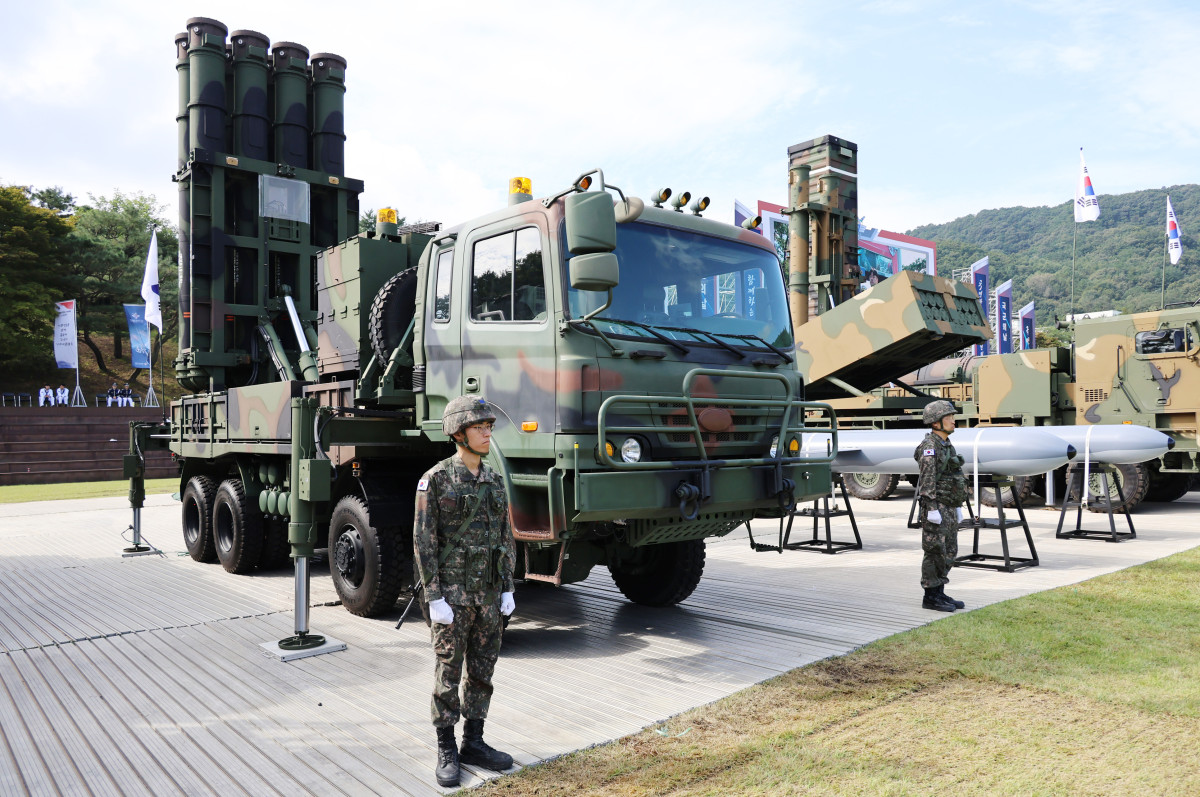
On March 10 (local time), the British daily Financial Times named LIG Nex1 among the companies benefiting from the conflict, highlighting South Korea's growing missile-defense sector.
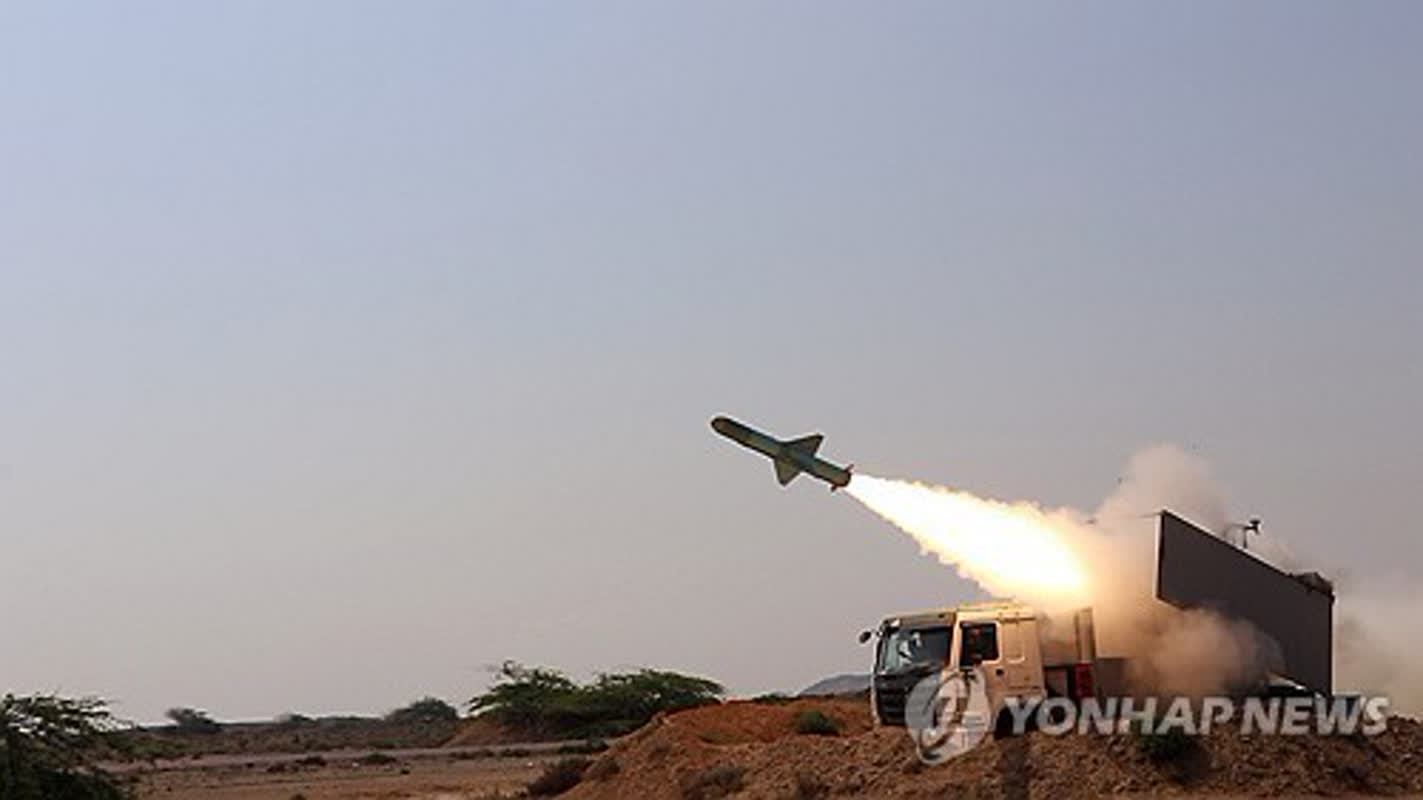
The FT identified LIG Nex1's flagship as the medium-range missile-defense system Cheongung-II, noting sales to Saudi Arabia, Iraq and the UAE, and observing that the system is substantially cheaper than competing options.
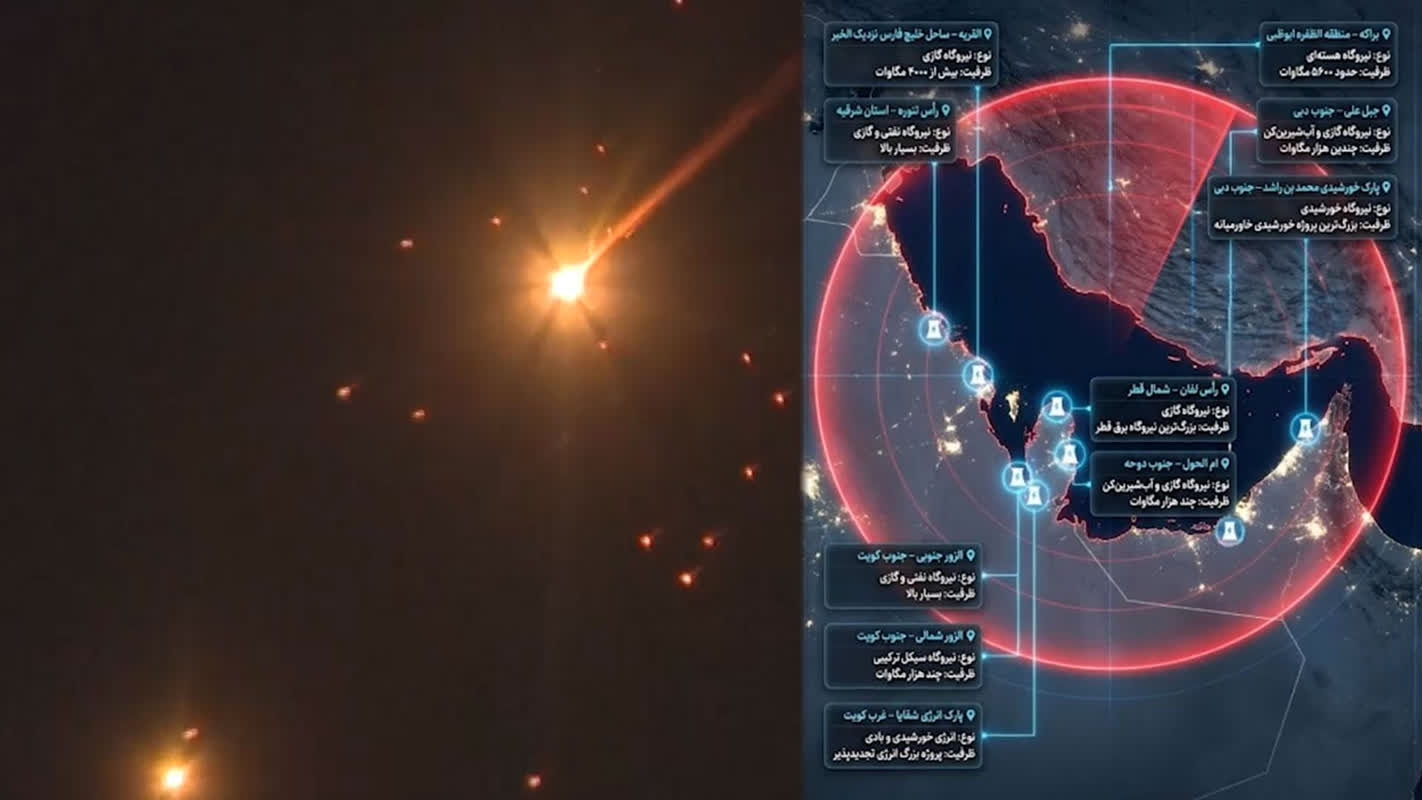
The report said Cheongung-II serves a role similar to the Patriot PAC-3 medium-range interceptor used by the United States and its allies. It cited National Assembly Defense Committee member Yoo Yong-won, who reported a 96% interception success rate against Iranian missiles and drone attacks.
LIG Nex1 handles the missiles and system integration for Cheongung-II, while Hanwha Systems supplies the radar and Hanwha Aerospace manufactures the launchers and vehicle chassis.
Before the Iran conflict, Cheongung-II had not been used in combat. The recent fighting reinforced the importance of air-defense systems across the Middle East and beyond, driving renewed interest in Cheongung-II. LIG Nex1's stock rose roughly 47% after the war began in late February. Kim Ho-seong, a professor of advanced defense engineering at Changwon National University, told the FT that proven performance in combat is likely to generate significantly higher demand in the Middle East and Europe.
The FT also cited a Hana Securities report warning that interceptor inventories could be depleted quickly. Chae Un-sam, an analyst at Hana Securities, estimated Iran fired hundreds of ballistic missiles and noted that multiple interceptors are typically required to defeat a single ballistic missile — a factor that could sharply increase demand.
Interceptor missiles are costly and production capacity is limited. Lockheed Martin, maker of the Patriot PAC-3, produced about 620 interceptors last year at an estimated unit cost of $3.7 million (approximately 4.93 billion KRW). By contrast, Cheongung-II holds a price advantage. Nomura Securities estimates PAC-3 deliveries take roughly four to six years, but LIG Nex1 — with a significant order backlog — could ramp up output within nine to 12 months by shifting to a two-shift production model. Cheongung-II's per-round price is estimated at about $1.1 million (approximately 1.47 billion KRW).
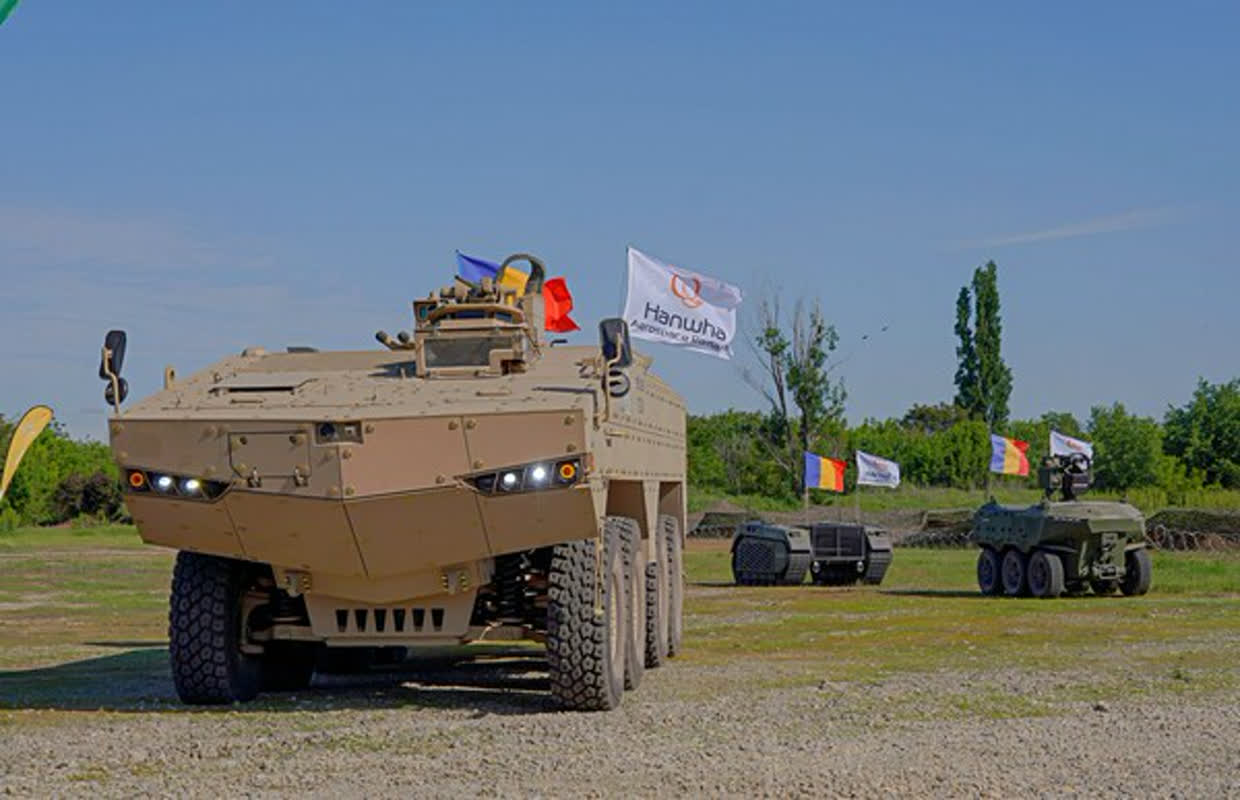
Demand extends beyond interceptors. In 2022, Poland purchased Hyundai Rotem tanks, Hanwha Aerospace K9 self-propelled howitzers, the Cheonmu multiple-rocket launcher, and Korea Aerospace Industries' FA-50 fighters. Last month Norway signed an approximately $2 billion (approximately 2.67 trillion KRW) contract for Cheonmu over the U.S. HIMARS system, and Estonia has also agreed to buy Cheonmu.
The FT wrote that South Korea's defense industry — branded \"K-defense\" by Seoul — has expanded rapidly amid a global rearmament trend, with rising demand especially in Europe and the Middle East. It added that the Poland deal provides a foothold into the European market as countries pursue modernization and rearmament.