“Tanker Escort Successful” Roils Markets After One Social Media Post
Post Deleted, White House Walkback Narrows Oil Losses
IEA Proposes Largest Emergency Release on Record
U.S. Asks Israel to Refrain from Attacking Iranian Energy Facilities
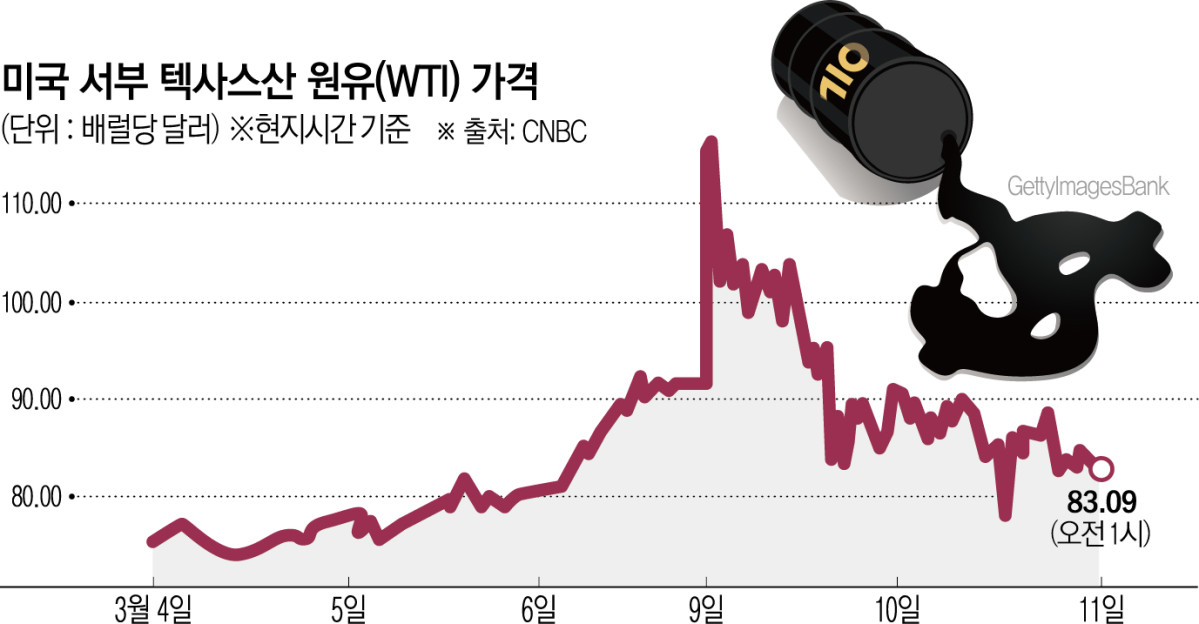
On the 10th (local time), Bloomberg reported that April-delivery West Texas Intermediate (WTI) fell $11.32, or 11.94%, to close at $83.45 a barrel on the New York Mercantile Exchange. It was the largest one-day drop since March 2022.
Prices briefly plunged as much as 19% intraday to $76.73 a barrel after U.S. Energy Secretary Chris Wright posted on social media that the U.S. Navy had successfully escorted an oil tanker through the Strait of Hormuz. The post fueled hopes that supply risks were easing. WTI, which had been trading near $85, tumbled into the $70s for the first time since the 6th as sellers hit the market.
The post was deleted soon after. White House spokeswoman Caroline Leavitt formally denied the claim, saying, “We are not escorting tankers at this time,” and added she understood Wright’s post had been removed quickly. Iran’s semi-official Fars News Agency also reported there were no U.S. escort forces. After those clarifications, the sharp slide in oil prices eased somewhat.
Experts warned the episode could heighten uncertainty about regional dynamics. Will Todman, a senior fellow for the Middle East Program at the Center for Strategic and International Studies, said the deleted post could encourage Iran to double down on existing tactics, given Tehran’s awareness of limits on U.S. options to control the situation.
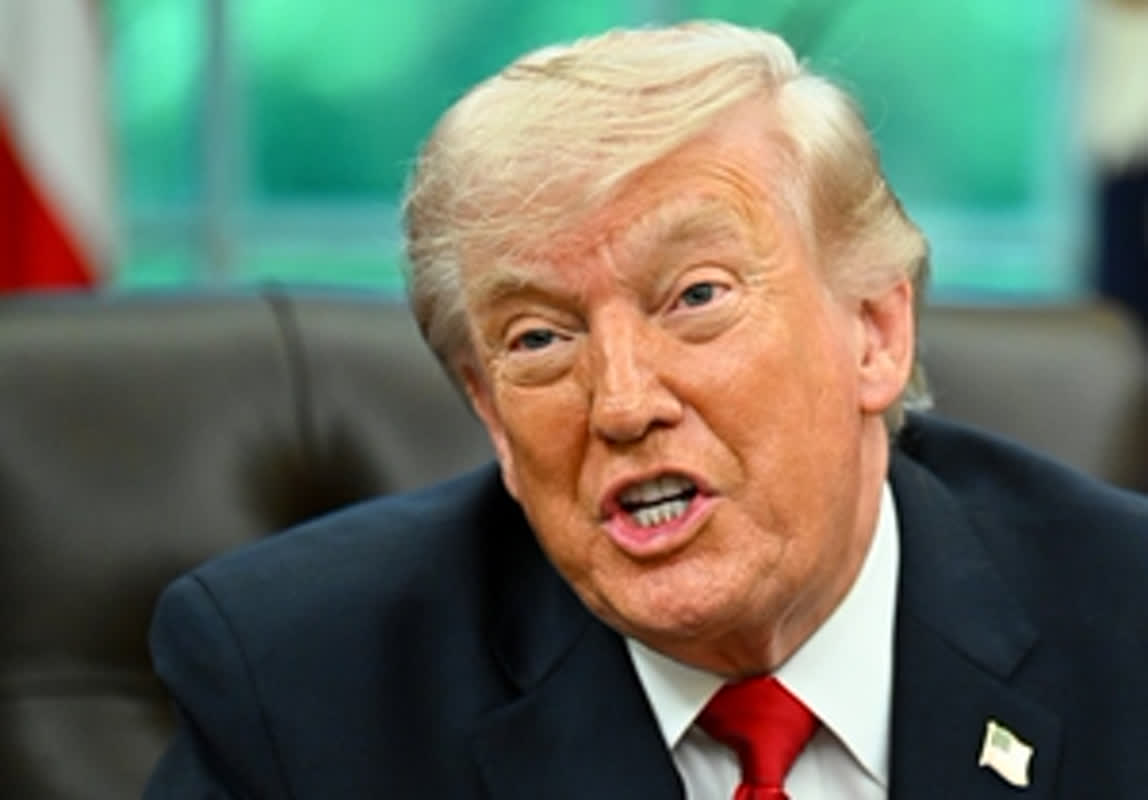
The confusion amplified this week’s extreme price swings. Every new report moved the market and exposed how vulnerable the global energy supply chain is to current geopolitical tensions. Prices even approached $120 a barrel the previous day amid fears the conflict would drag on, before President Donald Trump said, “military operations will end soon,” sending prices back into the $90s. The 60-day historical volatility for the most actively traded WTI futures hit its highest level since September 2022.
As volatility surged, major powers moved to respond. The French presidency said G7 leaders will hold a virtual meeting on the 11th to discuss measures for energy markets. G7 finance ministers met on the 9th and energy ministers on the 10th to review supply conditions and coordinated releases from strategic reserves. The International Energy Agency convened an emergency meeting, and the Wall Street Journal reported the IEA proposed an unprecedented emergency release that would exceed the roughly 182 million barrels released in 2022.
The U.S. government appeared particularly on edge. Axios reported the administration asked Israel the previous day to refrain from striking Iranian energy facilities out of concern such attacks would push oil prices higher. After reports surfaced that Iran showed signs of planting mines in the Strait of Hormuz, President Trump warned, “If they do not remove the mines immediately, they will face an unprecedented attack.” U.S. Central Command later said it had sunk 16 Iranian mine-laying vessels.