[North fires cluster munitions again]
Follow-up test highlights strike capability 11 days after prior launch
Kim Jong Un and Ju-ae observed on-site and called it “very satisfactory”
Aimed at denying U.S. reinforcements in a contingency
Follow-up test highlights strike capability 11 days after prior launch
Kim Jong Un and Ju-ae observed on-site and called it “very satisfactory”
Aimed at denying U.S. reinforcements in a contingency
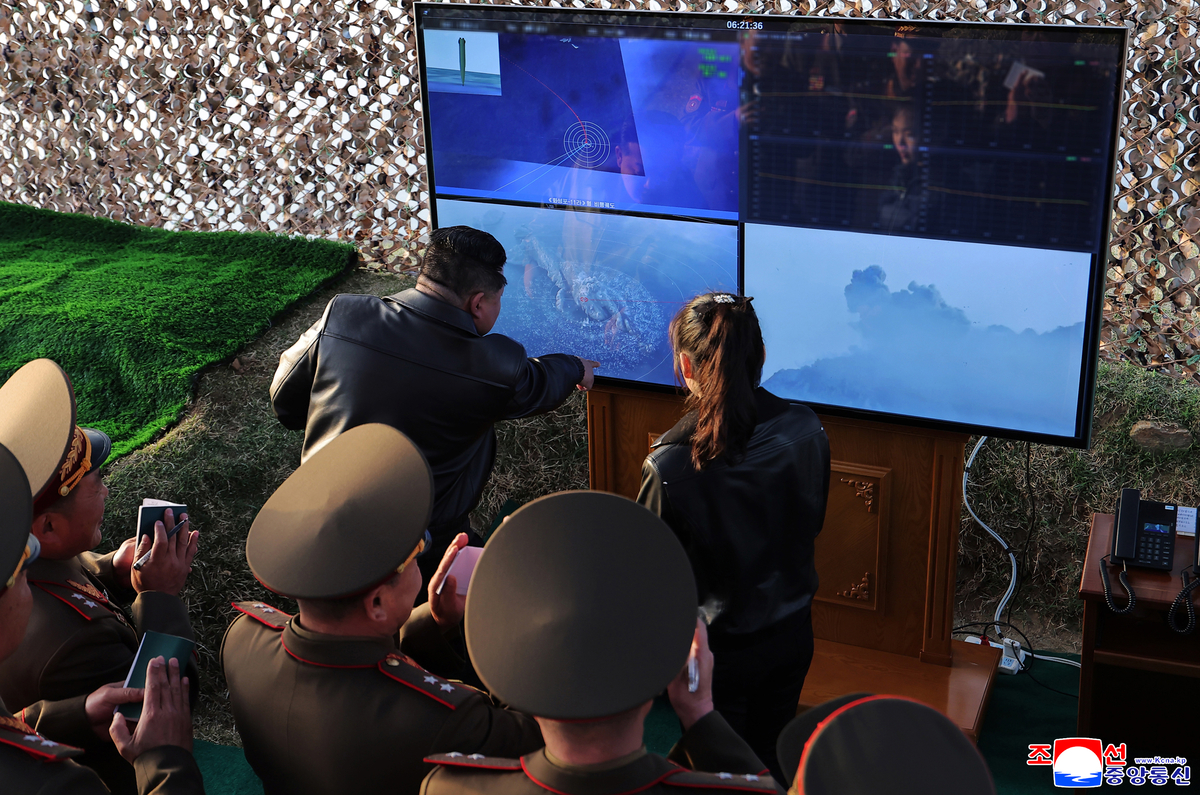 North Korea launched a short-range ballistic missile fitted with a cluster warhead in a follow-up test 11 days after an earlier trial, underscoring its ability to strike targets on the peninsula. Analysts say the launch emphasized a capacity to hit the Seoul metropolitan area and U.S. forces based at Pyeongtaek, signaling an intent to impede U.S. reinforcement in a crisis.
 On April 20, the Korean Central News Agency reported that the Missile General Bureau conducted a test the previous day to evaluate the warhead on an upgraded short-range ballistic missile designated the Hwasongpho-11ra. KCNA said the test sought to “confirm the characteristics and power of dispersal warheads (cluster munitions) and air-dispersed mine warheads applied to tactical ballistic missiles.” Pyongyang first tested the cluster warhead between April 6 and 8 and carried out this follow-up test 11 days later.
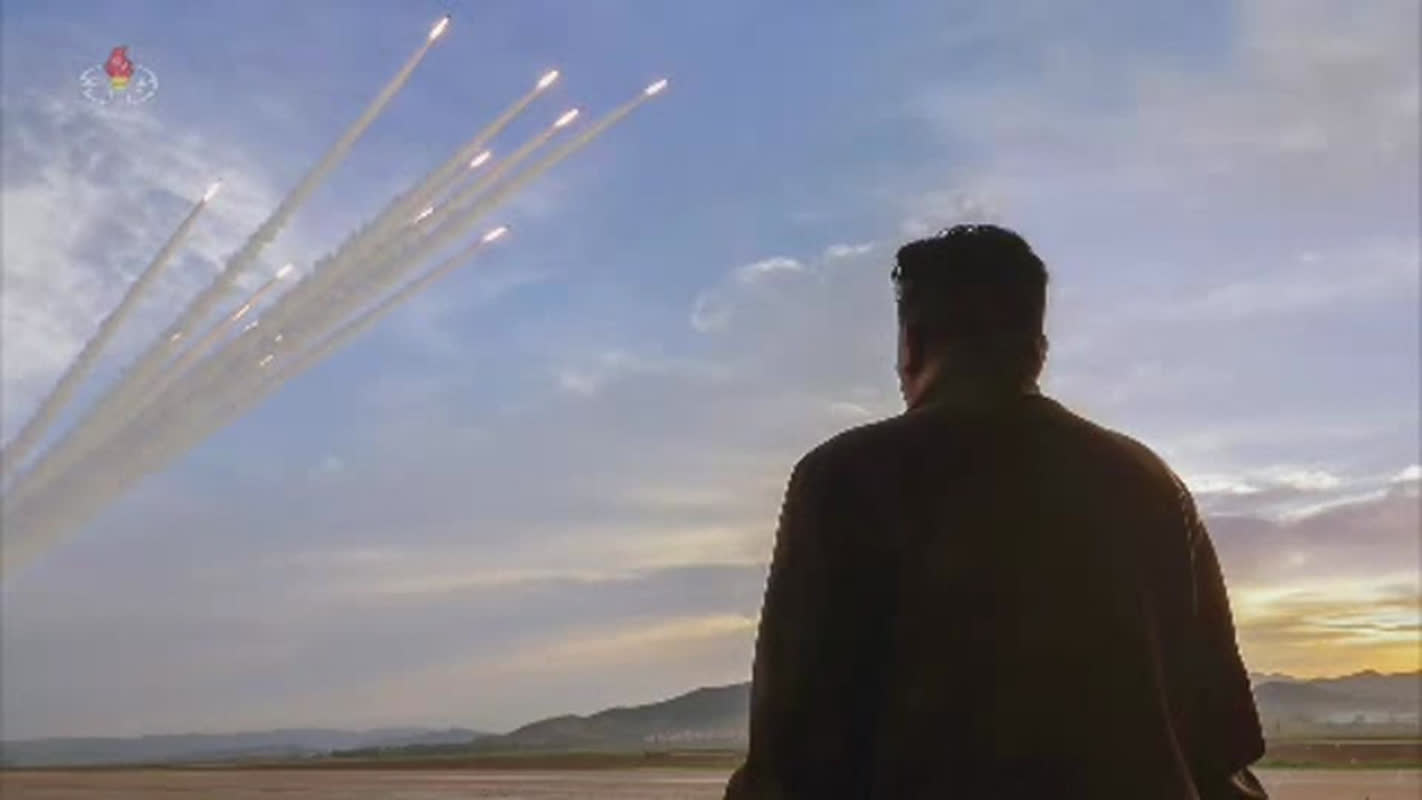
North Korea unusually released footage of the launch, showing a missile fired from the tip of a breakwater and the dispersal warhead striking Alseom island. The Hwasongpho-11ra appears to be a shortened variant of the KN-23, often dubbed the “North Korean Iskander.” Its warhead can house cluster munitions and air-dispersed mine submunitions to increase lethality.
Cluster munitions contain dozens to hundreds of submunitions (bomblets) that detonate in the air and scatter over a wide area. Because it is difficult to intercept each bomblet and their effects are indiscriminate, such weapons are often described as “devil’s weapons.” The air-dispersed mine munitions Pyongyang mentioned appear to be scatterable mines that do not detonate on impact but remain as area-denial mines afterward. Once dispersed, they can significantly hinder enemy maneuver in the affected zone.
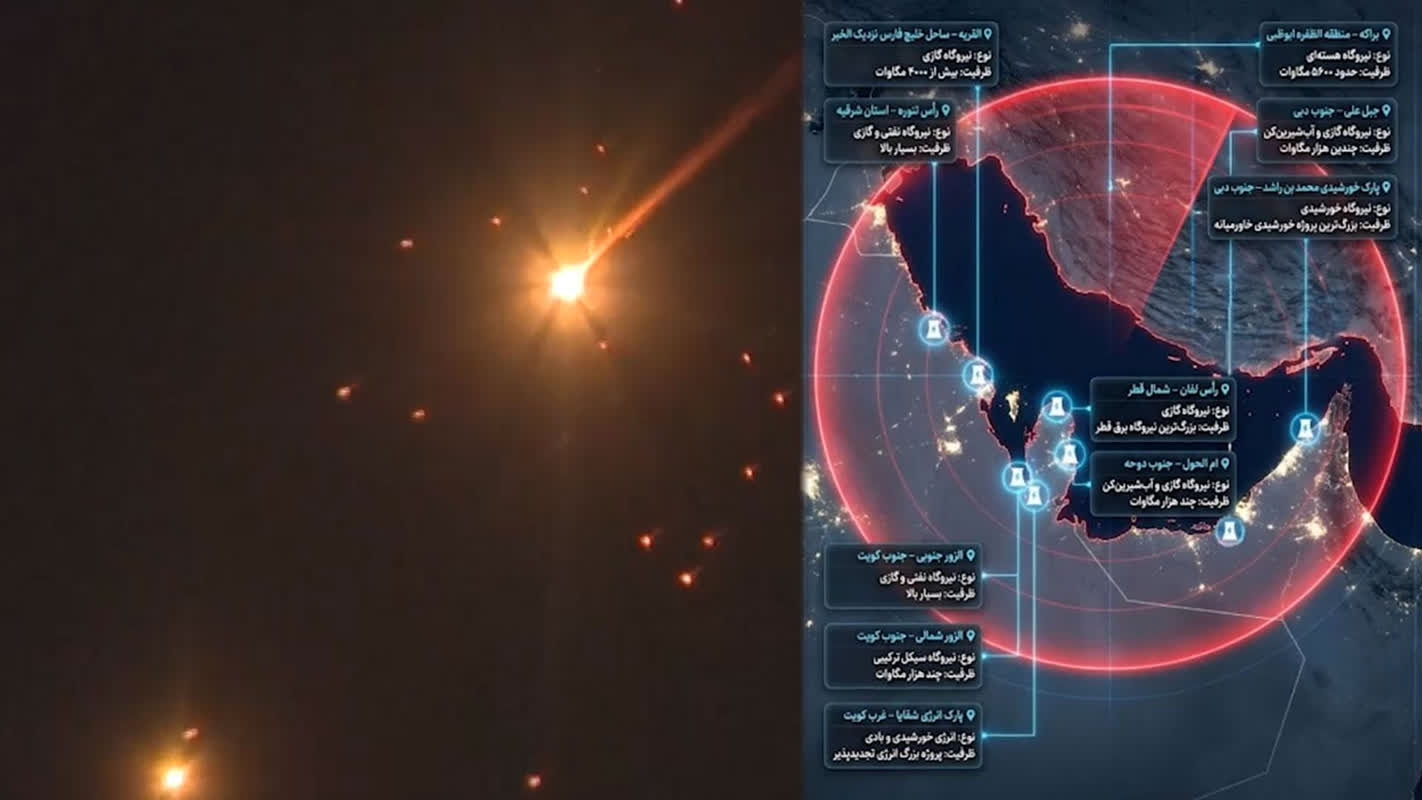
State media emphasized the warhead’s destructive effect, saying five missiles struck an island target 136 km away and densely impacted an area of 12.5–13 hectares. Pyongyang claimed the strike razed an area roughly equivalent to 18 soccer fields — about double the destructive footprint it claimed for the previous test (6.5–7 ha, roughly 10 soccer fields). Observing how dispersal munitions degraded Israeli air defenses during confrontations with Iran appears to have driven intensified testing in North Korea.
Kim Jong Un observed the launch site with his daughter Ju-ae and expressed “great satisfaction” with the results. He said the development and fielding of multi-purpose dispersal warheads would allow the military to meet operational needs more efficiently.
Analysts say North Korea is combining specialized warheads with short-range missiles to increase pressure on key U.S.–ROK forces and to shape capabilities intended to block U.S. intervention in wartime. Hong Min, a senior research fellow at the Korea Institute for National Unification, said, “A 136 km radius reaches Seoul, the Pyeongtaek U.S. base, Osan Air Base, and the Cheonan–Asan area. That puts the alliance’s most sensitive target set at risk — which is highly threatening.” Lim Eum-chul, a professor at Gyeongnam National University’s Institute for Far Eastern Studies, said, “This test appears aimed at completing tactical deterrence and deterring U.S. intervention by maximizing the strategic burden and military cost for the United States in a crisis.”
- “No wonder I couldn’t digest it” — the betrayal of the once‑trusted “zero‑calorie” drink [Workplace Wake‑up Call]
- “The Strait of Hormuz is finally opening” — then Iran warns it will attack ships that approach
- “Fired 30,000 employees and the stock soared?” — workers suffered while shareholders cheered; what happened?
- North fires multiple ballistic missiles 11 days after earlier launches — seventh such launch this year
- Lee Jae‑myung administration’s defense reform — military to adopt a “large‑branch” structure [Lee Hyun‑ho’s Military! Talk]
- “Lend me your bankbook and I’ll give you money” — fall for this and you’ll cry; Financial Supervisory Service warns of virtual account scams
- Why does it take so long? Incheon Airport, always crowded, falls in “speed” ratings
- “Sending my son to medical school is so hard” — this year’s medical school admission cutoffs hit a three‑year high
- How long will the maritime tug‑of‑war feeding futures speculators last? [Trump Stocker]
- Stepping‑stone mortgage loans down 40% — cooling speculation, but real buyers remain anxious