U.S. officials are weighing military options to directly target Iran’s maritime forces if the cease‑fire with Tehran collapses.
CNN reported on April 23, citing multiple sources, that the U.S. military is preparing attack plans against Iranian units operating in the Strait of Hormuz, the southern Arabian Gulf and the Gulf of Oman should negotiations fail. Officials identified Iran’s asymmetric capabilities—small, high‑speed attack boats and mine‑laying vessels used to threaten or close the strait—as primary targets.
The concept reportedly includes “dynamic targeting,” a method for rapidly striking moving or newly detected targets, tailored to counter Iranian forces maneuvering at sea.
In earlier strikes, U.S. forces focused on inland targets well away from the strait. But as disruptions to oil shipments and wider economic fallout grew, planners began considering a tighter operational focus on the strategic sea lanes around the strait.
Analysts warn that attacking only nearby military assets may not immediately restore normal shipping. Shipping industry officials say commercial traffic is unlikely to resume until maritime threats are fully neutralized.
A source said, “Unless we can clearly prove Iran’s military has been destroyed 100 percent, or provide near‑certain evidence that U.S. capabilities can mitigate the risk, it will ultimately come down to how much risk President Trump is willing to take to send ships through the strait.”
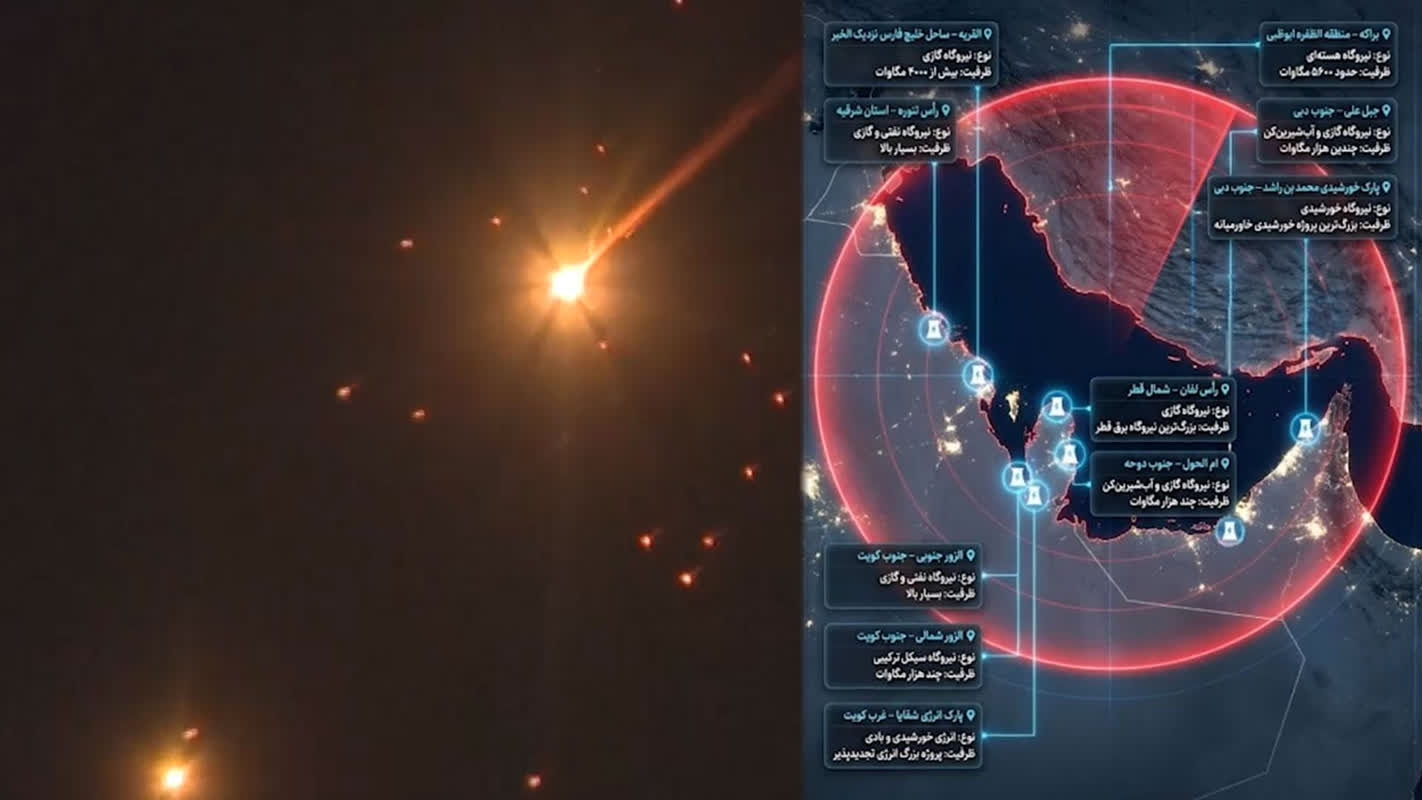
The U.S. military is also weighing additional pressure options beyond naval strikes. Planners are considering strikes on dual‑use infrastructure, including energy facilities, and options to target individual Iranian military or regime figures believed to be obstructing negotiations. Some officials have speculated that IRGC commander‑in‑chief Ahmad Vahidi could be among potential targets.
The Pentagon declined to discuss specifics. A Defense Department official said, “For operational security reasons, we do not discuss future or hypothetical movements,” and added that “the military continues to offer the president a range of options, and all options remain on the table.”
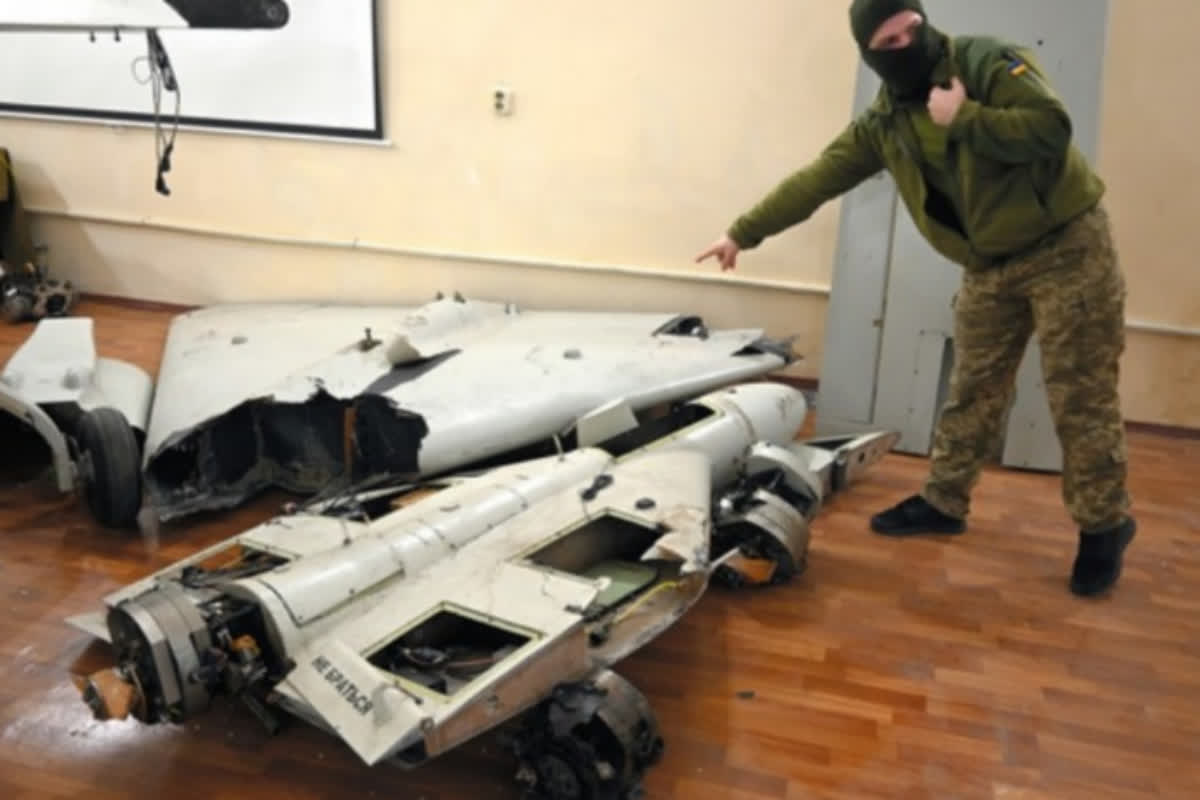
U.S. intelligence assessments indicate Iran retains a significant portion of its military capability. Roughly half of its missile launchers and thousands of attack drones survived the initial strikes, and some reportedly relocated to other areas during the cease‑fire.
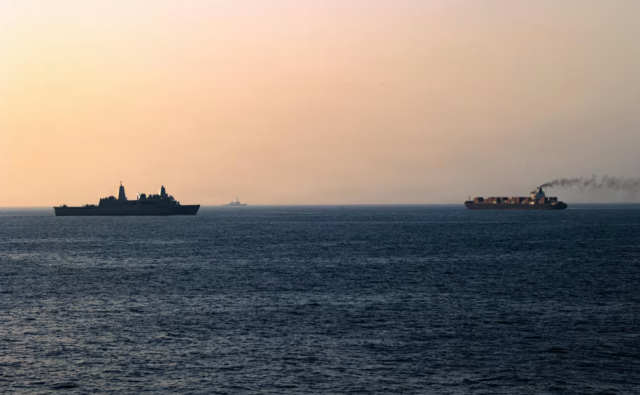
U.S. forces have deployed numerous warships to the Middle East, including two aircraft carriers. Additional assets have moved into the Indian Ocean, and U.S. units are conducting control operations on vessels entering and leaving Iranian ports. Officials say U.S. forces have rerouted or inspected dozens of ships since mid‑April.
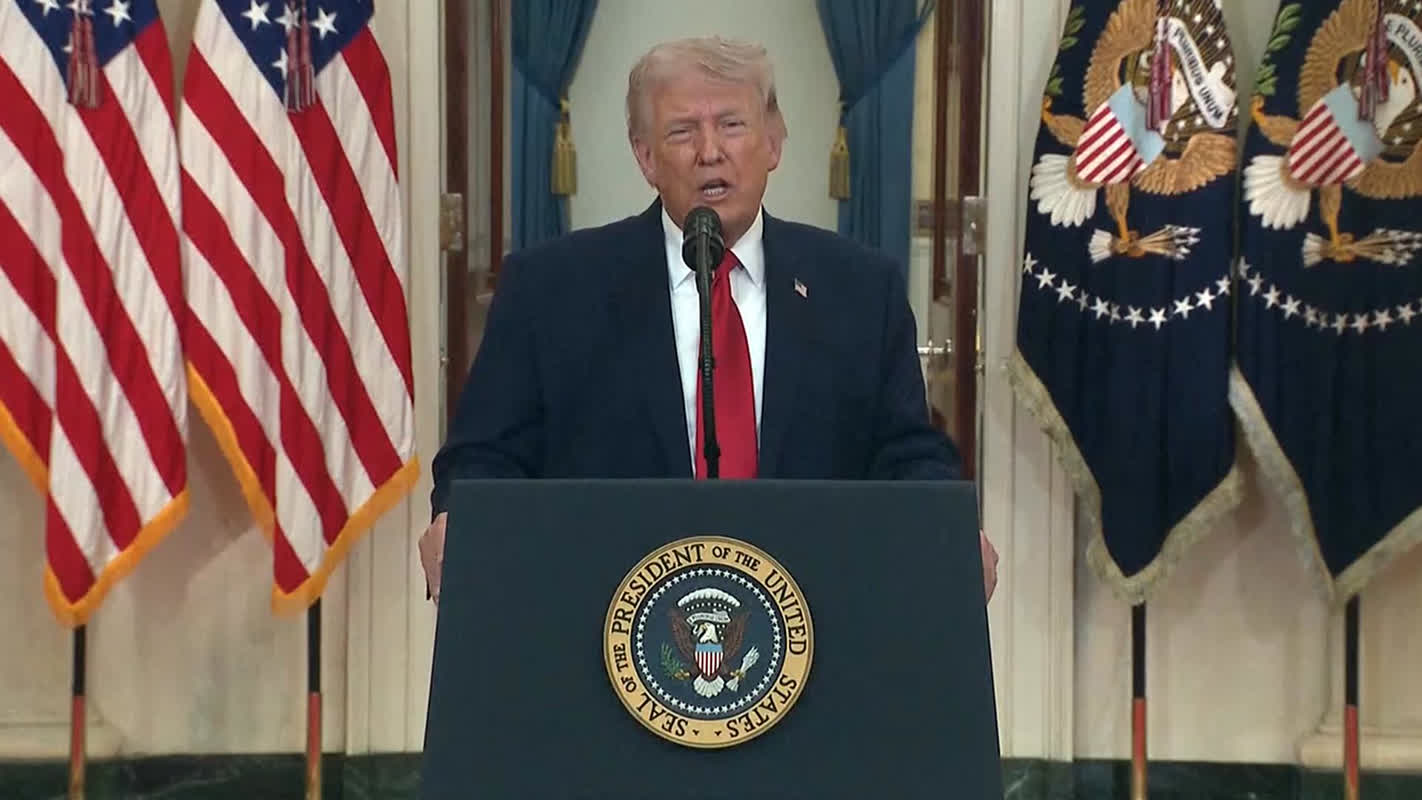
President Trump has emphasized a preference for a diplomatic solution but has not ruled out military action. He has said the cease‑fire is not indefinite and has left open the possibility of resuming strikes depending on developments.
Critics argue that Iran’s continued control of the strait—and the failure to stop it during the initial response—helped produce the current standoff. Analysts say an earlier buildup of sufficient naval assets in nearby waters might have deterred the blockade before it began.