US Military Munitions Crisis: Are We Prepared for China and Russia?

Jisoo Kim | 2026.04.26


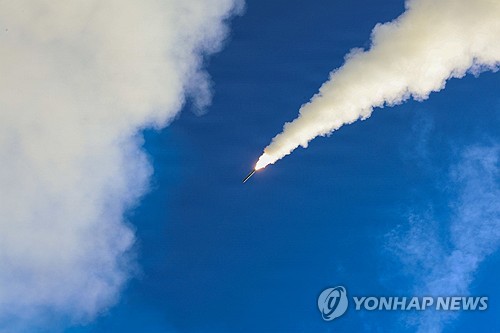
Tomahawk missile[Reuters—Courtesy of Yonhap][Reuters—Courtesy of Yonhap]

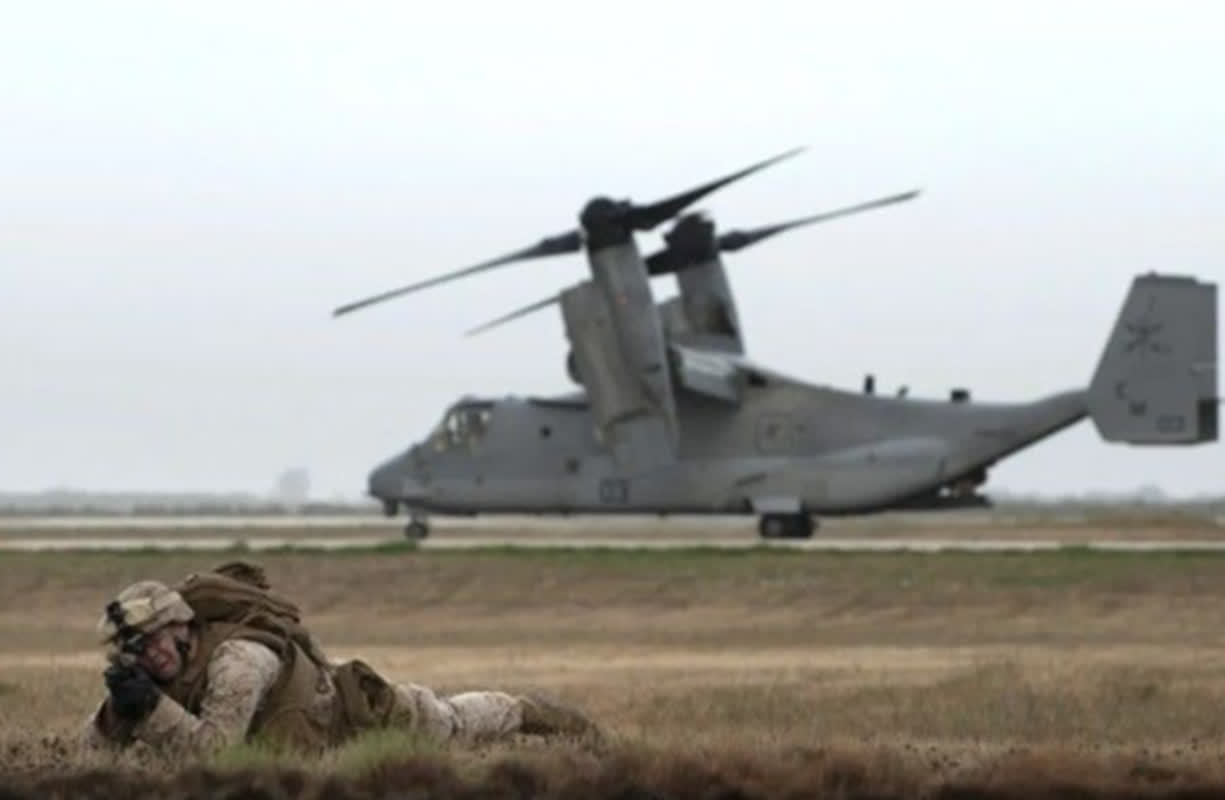
Reports indicate the fighting in the Middle East has sharply depleted U.S. stocks of missiles and other advanced precision munitions, weakening readiness in Asia and Europe to deter potential adversaries such as China and Russia. The New York Times reported on April 23, citing U.S. administration and congressional sources, that since U.S. forces began operations on Feb. 28 the military has fired roughly 1,100 Joint Air-to-Surface Standoff Missiles—Extended Range (JASSM‑ER). Officials estimate only about 1,500 JASSM‑ERs remain in inventory. The missile has a range of roughly 1,000 kilometers and costs about 1.6 billion KRW (approximately $1.2 million) apiece. The JASSM‑ER was developed to prepare for a potential conflict with China and is built to penetrate hardened targets beyond the reach of enemy air defenses.U.S. forces have also launched more than 1,000 Tomahawk long-range cruise missiles, at an estimated cost of about 5.3 billion KRW (approximately $4.0 million) each. That expenditure represents roughly ten times the typical annual procurement. Pentagon estimates and lawmakers say more than 1,200 Patriot interceptor missiles—each priced at over 5.9 billion KRW (approximately $4.4 million)—have been used so far, about double last year’s total production of roughly 600 interceptors. In addition, the U.S. has expended more than 1,000 Precision Strike Missiles (PrSM) and ATACMS ground‑to‑ground missiles. The NYT warned that overall stock levels have fallen to worryingly low levels.As global munitions stocks have been drained, the Pentagon has rushed missiles and bombs from deployments in Asia and Europe to the Middle East. Administration and congressional officials said those force shifts have eroded regional commanders’ readiness to respond to contingency scenarios involving Russia or China. They warned the Defense Department must find ways to rapidly expand production to replenish depleted inventories.The NYT said restoring ammunition reserves to previous levels will force difficult choices about how to posture forces regionally. Sen. Jack Reed, the top Democrat on the Senate Armed Services Committee, cautioned that at current production rates it could take years to rebuild what has been used.Mark F. Cancian, a retired Marine colonel and senior adviser at the Center for Strategic and International Studies, said the U.S. holds ample stocks of many munitions but was already short of certain critical ground‑attack and missile‑defense rounds before the conflict; those shortfalls have now worsened.The conflict has prompted significant force draws from the Indo‑Pacific. The Navy repositioned the Abraham Lincoln carrier strike group from the South China Sea to the Middle East, and roughly 4,400 Marines from two Marine Expeditionary Units in the Pacific were redeployed. The U.S. also moved interceptors from the THAAD system based in South Korea to the Middle East.White House spokeswoman Karoline Leavitt dismissed the NYT story as “fundamentally false,” saying the United States maintains the world’s strongest military and that weapons and munitions stockpiled at home and abroad are more than sufficient to defend the homeland and carry out any operations ordered by the commander‑in‑chief.Yonhap News TV inquiries and tips: KakaoTalk/Line jebo23 Kim Ji‑su (goodman@yna.co.kr)