[Anchor]
Let’s assess the situation in the Middle East.
The conflict has entered its fourth week, and clashes have escalated—extending to strikes reportedly targeting nuclear facilities.
Analysts warn this week could be a decisive inflection point. We’re joined from Egypt by our correspondent near Israel’s border.
Park Hyun-woo, go ahead.
[Reporter]
I’m reporting from Cairo.
Local time is approaching 11 a.m.
Israel, the United States and Iran have all warned of large-scale strikes this week. Many are calling it a pivotal week across the region.
Air-raid sirens continue to sound across Israel.
Local outlets report that authorities issued evacuation orders in northern Israel at about 7 a.m. local time—roughly four hours ago—and that Iranian ballistic missiles targeting southern areas were detected about an hour ago.
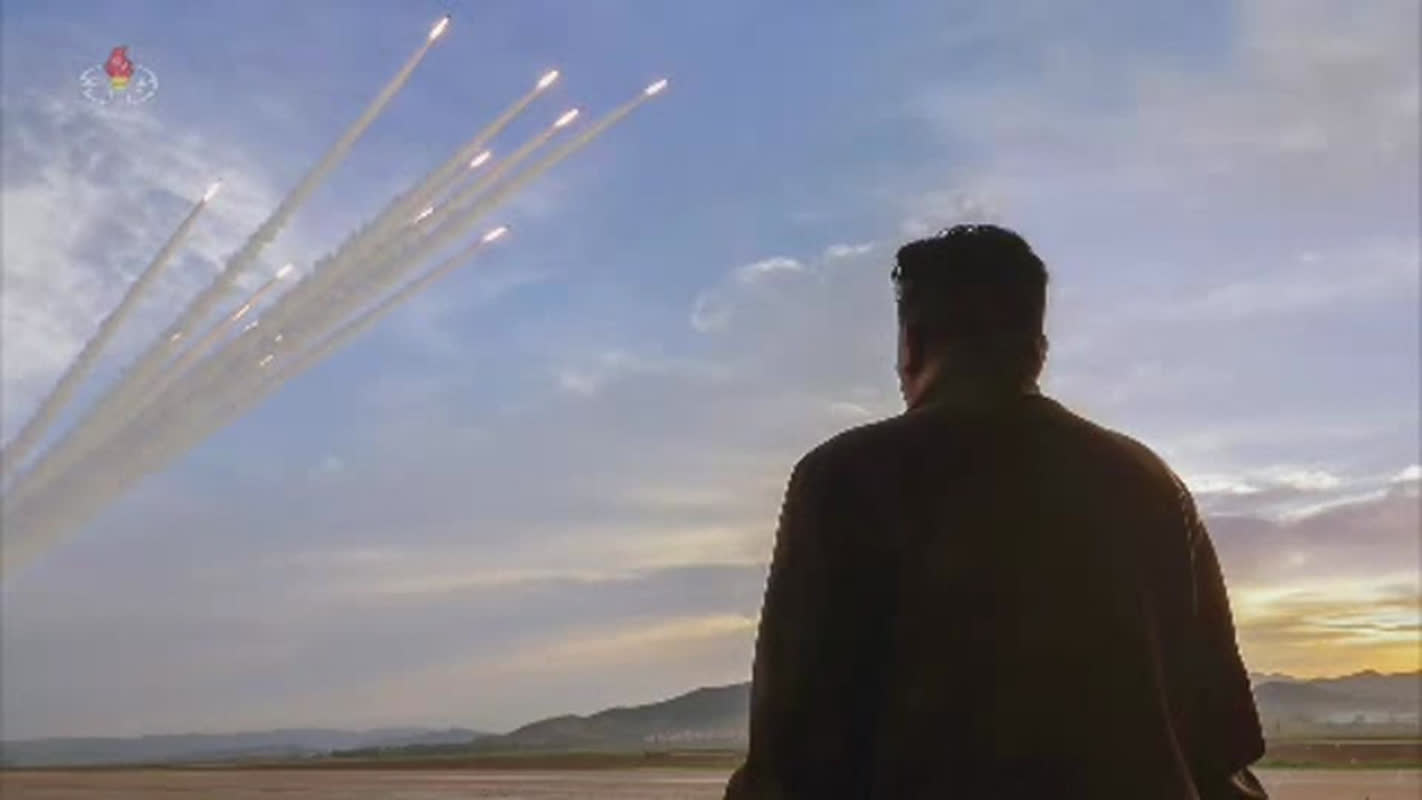
Overnight, Iranian forces reportedly launched cluster munitions in multiple locations.
Eyewitnesses say cluster warheads dispersed smaller submunitions over Tel Aviv, Jerusalem and parts of the West Bank.
Local reports indicate structural damage to buildings, but no casualties have been confirmed from those strikes so far.
Airstrikes also affected the Gulf region.
Saudi Arabia’s Defense Ministry reported three missiles headed toward the capital Riyadh. Off the coast near Sharjah in the United Arab Emirates, a bulk carrier struck by a projectile exploded.
Iraqi officials say eight rocket and drone attacks targeted U.S. diplomatic and logistics facilities at Baghdad International Airport.
[Anchor]
Israel launched retaliatory strikes. What’s the latest from that front?
[Reporter]
The Israeli military moved quickly with reprisal airstrikes.
Local reports say Israel conducted broad air raids that struck targets in Tehran.
Iran’s state-run Fars News Agency reported attacks on five districts of Tehran, and other outlets reported explosions across the city.
In northwest Iran, a residential building collapsed and rescue teams are working at the site. In the southern port city of Bandar Abbas, a state radio transmitter was hit; authorities report one dead and one injured.
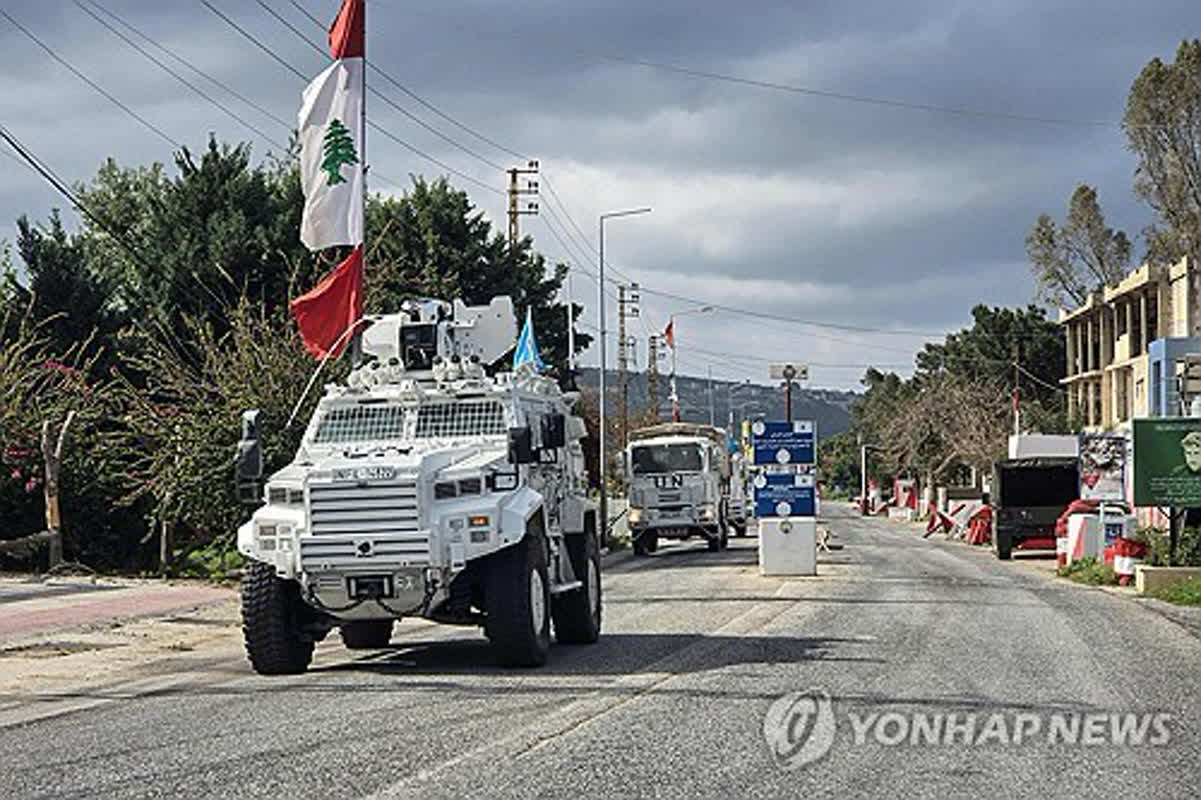
Israel has also widened strikes inside Lebanon, targeting infrastructure and the Iran-backed militant group Hezbollah.
Yesterday local time, Israeli jets struck the Kasmiya bridge over the Litani River in southern Lebanon after assessing that Hezbollah used it to move thousands of rockets, weapons, launchers and fighters.
Hezbollah retaliated. A rocket attack aimed at Israeli troops in the north reportedly killed one person.
Amid continued Iranian drone activity, U.S. forces released video showing airstrikes that destroyed Iranian drones.
U.S. Central Command said on social media that Iran’s drones have indiscriminately targeted civilians and that U.S. forces continue to neutralize the regime’s suicide drones.
[Anchor]
With the deadline for President Trump’s announced “final ultimatum” approaching, Iran has signaled possible retaliation. Tensions are rising.
[Reporter]
Correct.
President Trump issued a 48-hour ultimatum at about 8:44 a.m. yesterday (Korean time).
That leaves roughly 15 hours as of this report.
He warned that if Iran does not open the Strait of Hormuz by the deadline, the U.S. would “devastate” Iran’s power plants.
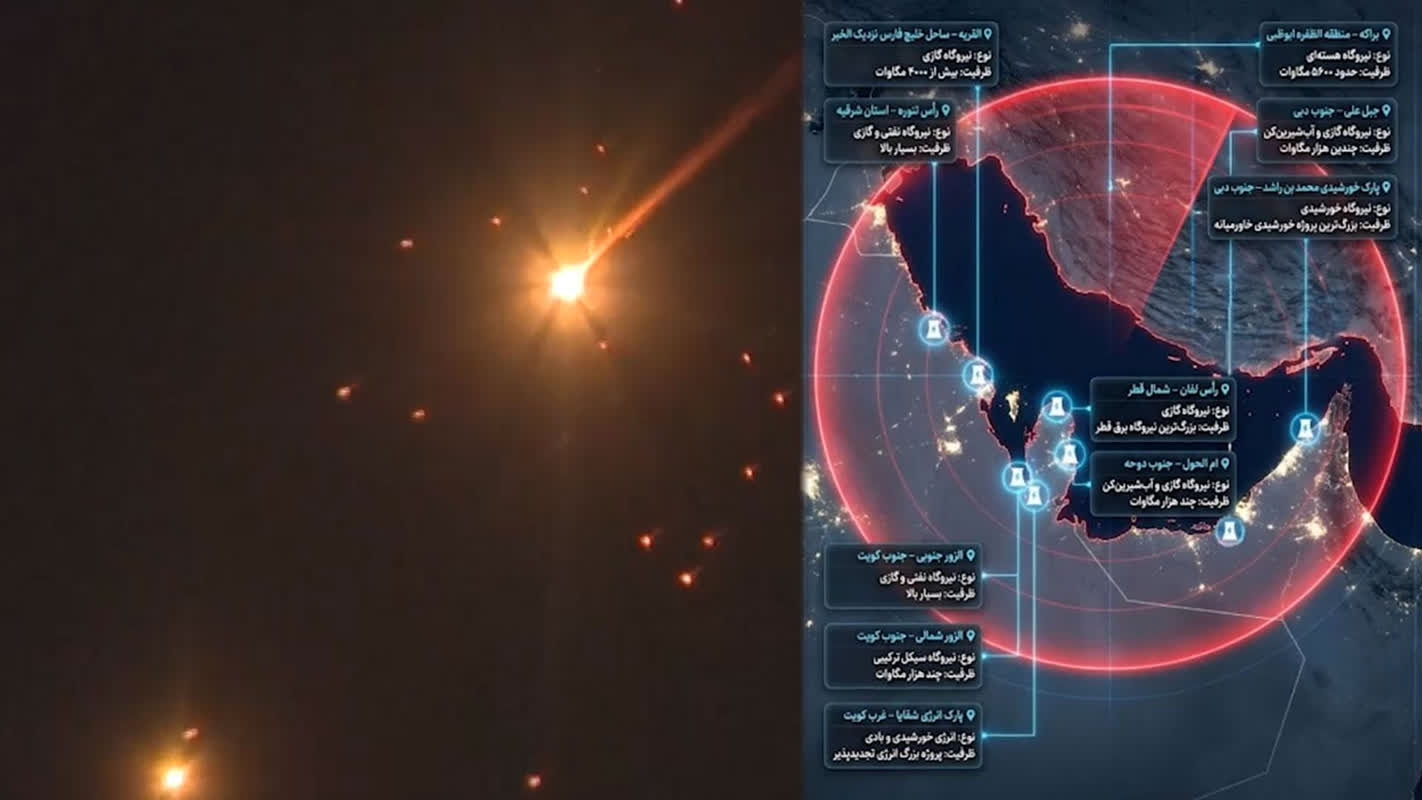
Tehran responded that if its power plants are attacked, it would retaliate by targeting power plants that supply electricity to Israel and to U.S. bases in the region.
Posters circulated in Iranian media named 10 power plants—including the Barakah nuclear facility in Abu Dhabi—as potential targets. As the ultimatum deadline nears, regional tensions are rising.
This is Park Hyun-woo for Yonhap News TV in Cairo.
[Live connection: Moon Won-chul]
Yonhap News TV — story tips and inquiries: KakaoTalk/Line jebo23
Park Hyun-woo (hwp@yna.co.kr)