[Anchor]
After President Donald Trump suggested the Middle East war might end soon, global oil prices—once above $100 per barrel—fell about 10% in a single day, easing to roughly $80 a barrel.
With criticism over war-driven fuel costs rising both internationally and inside the United States, some analysts read Trump’s comments as an attempt to defuse political fallout and protect his approval ratings.
But on the 12th day of the conflict, U.S.-aligned strikes alongside Israel against Iran dealt a severe blow to hopes for a quick resolution.
Iran, which has been disrupting the world’s main oil route through the Strait of Hormuz, has refused to stand down.
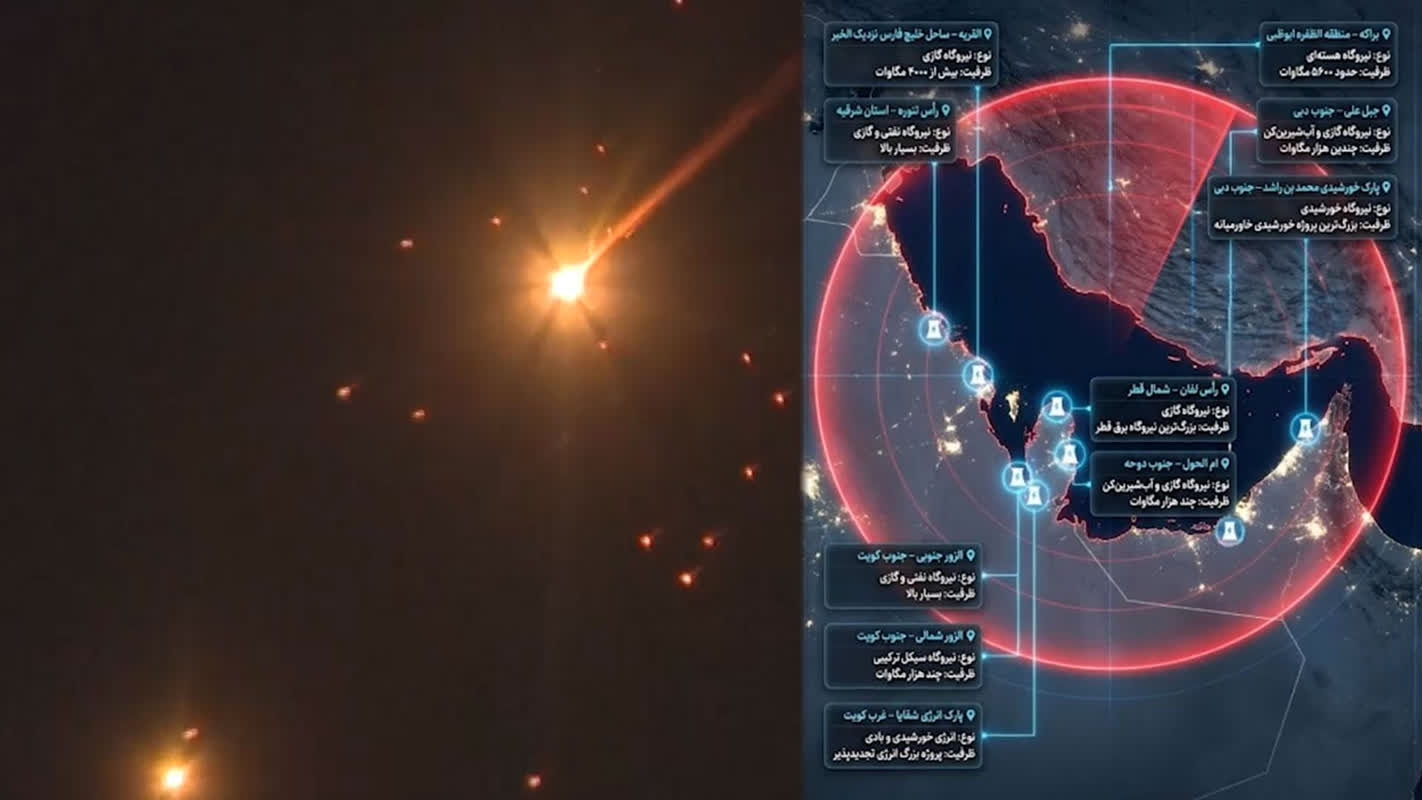
Israel has intensified its campaign, continuing strikes on refineries and other energy infrastructure in Israel, the United Arab Emirates and elsewhere.
In retaliation, Israel struck numerous Iranian oil storage facilities. Local reports say the Trump administration—concerned that volatile oil markets could damage its standing—expressed strong anger toward Israel, reportedly demanding to know, “What are you doing?”
Though the two countries coordinated military action against Iran, their strategic objectives appear to diverge, producing visible friction.
The United States has urged Israel not to hit Iran’s energy infrastructure and, in an effort to stabilize markets, has sunk Iranian mine-laying vessels that were blocking the Strait of Hormuz.
Yonhap News TV inquiries and tips: KakaoTalk/Line jebo23
Jin Ki-hoon (jinkh@yna.co.kr)