[Anchor]
Iran struck the Port of Fujairah in the United Arab Emirates — a strategic terminal that lets oil exporters bypass the Strait of Hormuz.
The attack was presented as retaliation for a U.S. strike on Harg Island, and Iran’s foreign minister described it as following an “eye for an eye” principle.
I’m reporter Kim Tae-wook.
[Reporter]
On the morning of March 14 (local time), Iranian forces used drones to hit Fujairah Port in the UAE.
Fujairah is connected to Abu Dhabi’s oil fields by roughly a 400-kilometer (about 248-mile) pipeline and serves as a key route for crude oil and refined products outside the Strait of Hormuz.
A fire at oil storage tanks halted loading operations. Emergency crews contained the blaze early on March 15, and shipments resumed within a day.
A day earlier, U.S. forces struck military facilities on Harg Island, a major Iranian export hub for crude and petroleum products.
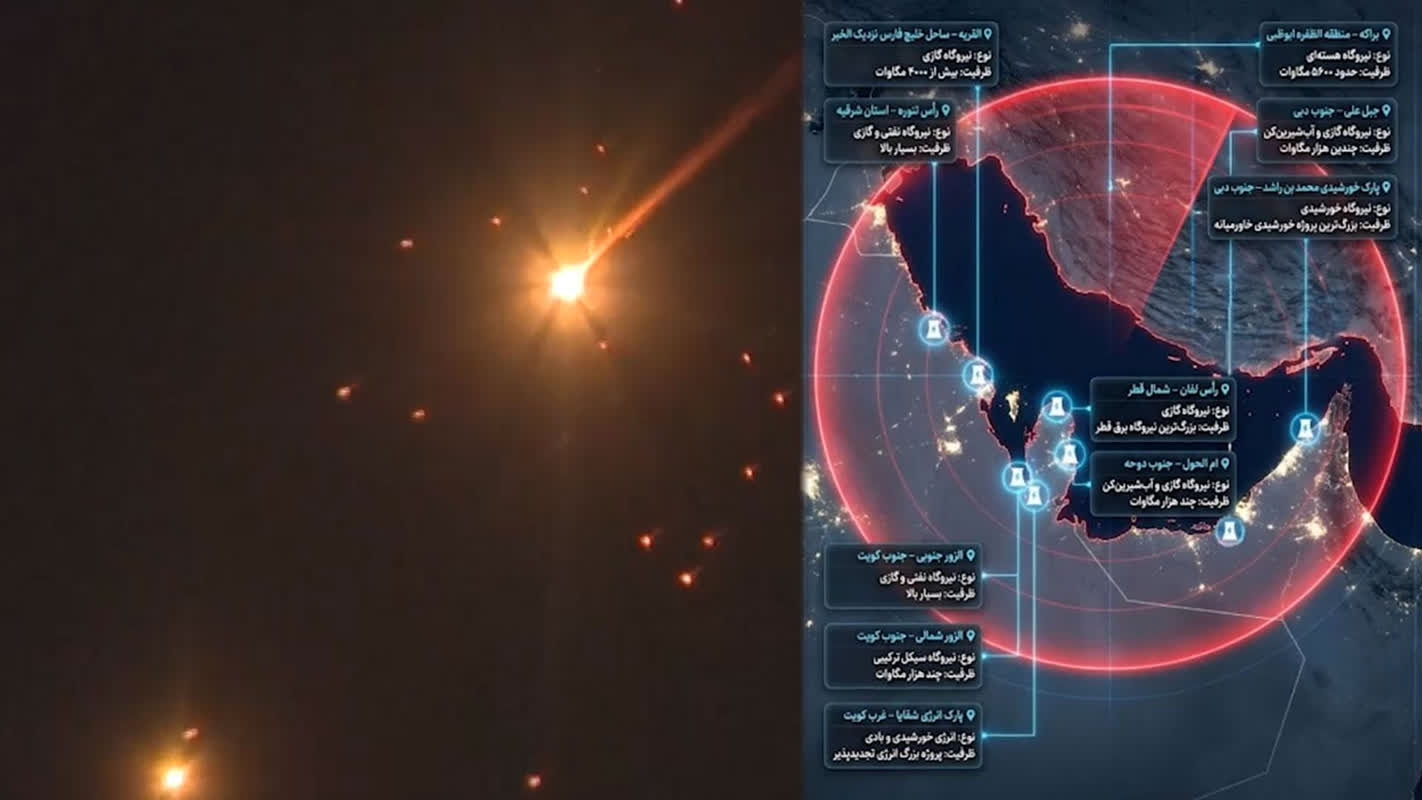
Iran warned it would target oil infrastructure across the region and carried out retaliation within hours.
It also listed potential targets including Jebel Ali Port in Dubai — the region’s largest logistics hub — and Khalifa Port in Abu Dhabi.
「Ebrahim Zolfaghari / Spokesman, Iran Military Command」 We urge parties to withdraw from ports, docks and U.S. positions in UAE cities to ensure no harm comes to Muslims in the UAE and residents of densely populated areas.
This marks the first time since the conflict began that Iran has publicly threatened attacks on assets belonging to other Middle Eastern states not directly tied to U.S. forces.
Amid a string of explosions in Bahrain, Bahraini authorities said they intercepted or neutralized 125 missiles and about 200 drones.
Meanwhile, Saudi Arabia’s Defense Ministry reported shooting down 10 drones over Riyadh and the Eastern Province.
In a video interview with MS NOW on March 14 (local time), Iran’s foreign minister framed the strikes on neighboring countries as retaliation under an “eye for an eye” policy.
「Abbas Araghchi / Iran Foreign Minister」 As part of our right to self-defense, we targeted U.S. bases, facilities, assets and interests. This follows the 'eye for an eye' principle.
He also flatly rejected U.S. Defense Secretary Pete Hegseth’s claim that Mojtaba Khamenei was injured or disfigured, saying there is nothing wrong.
In Lebanon — often described as the “second front” — Israel plans talks with Lebanon aimed at disarming the armed group Hezbollah.
I’m Kim Tae-wook with Yonhap News TV.
[Video source: MS NOW YouTube]
[News Review]
For Yonhap News TV story inquiries and tips: KakaoTalk/LINE jebo23
Kim Tae-wook (tw@yna.co.kr)