Guest: Seong Il‑gwang, Professor, Euromena Research Institute, Sogang University
This weekend’s planned face‑to‑face talks between the U.S. and Iran could put a “toll” on passage through the Strait of Hormuz at the center of negotiations.
We assess likely scenarios for how the situation in the Middle East could unfold.
We’re joined by Seong Il‑gwang, professor at Sogang University’s Euromena Research Institute.
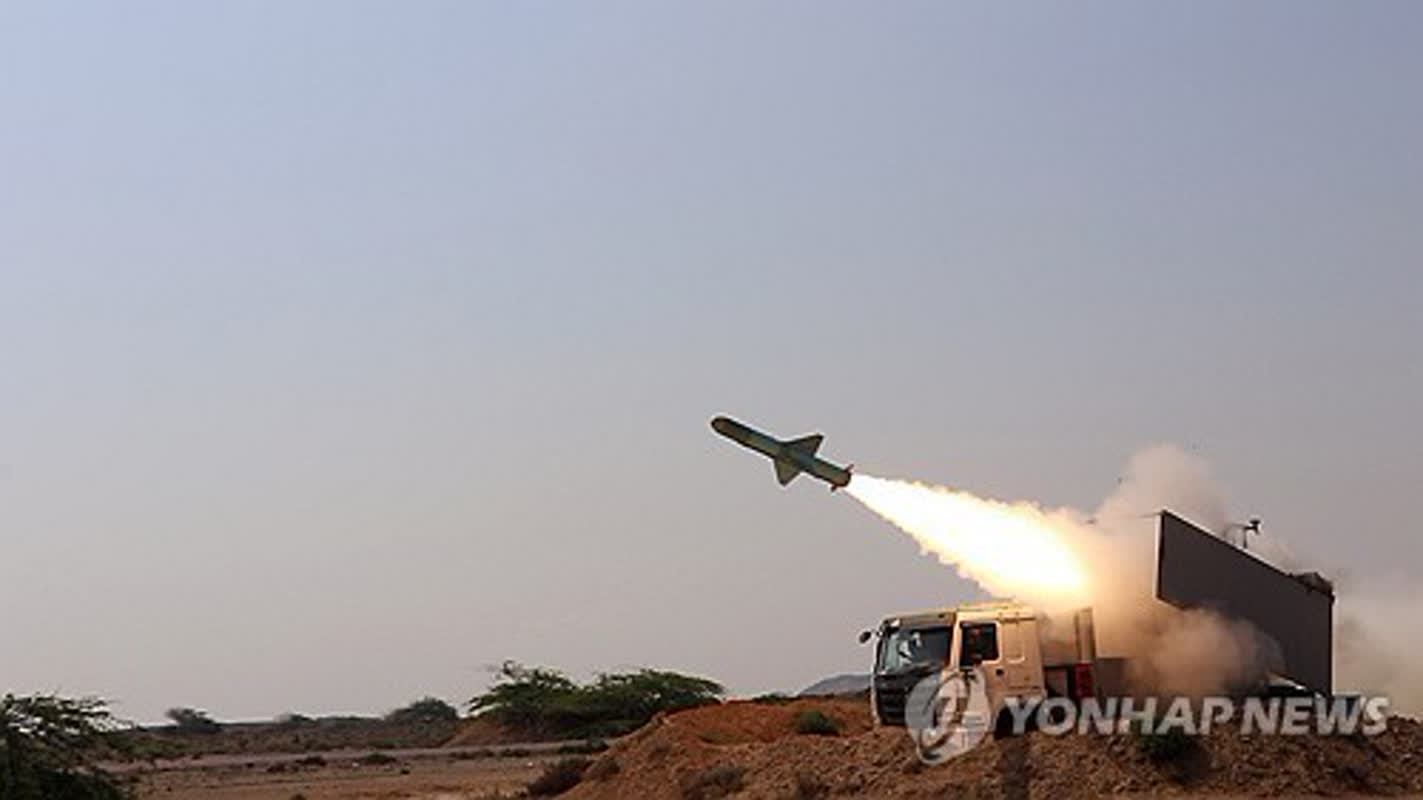
Question 1 — Yemen’s Houthi rebels have declared their entry into the conflict by firing missiles at Israel. A Houthi spokesperson says the launches were coordinated with Iran’s military and Lebanon’s Hezbollah. Some analysts warn that if the so‑called “axis of resistance” acts in concert, it could undercut U.S. claims it can end the war within the weeks it has promised.
Question 1‑1 — If the Houthis escalate, they could follow a Hormuz blockade with strikes in the Red Sea, threatening freedom of navigation on a key global shipping route. Could Houthi participation be a deliberate move to strengthen Iran’s negotiating position?
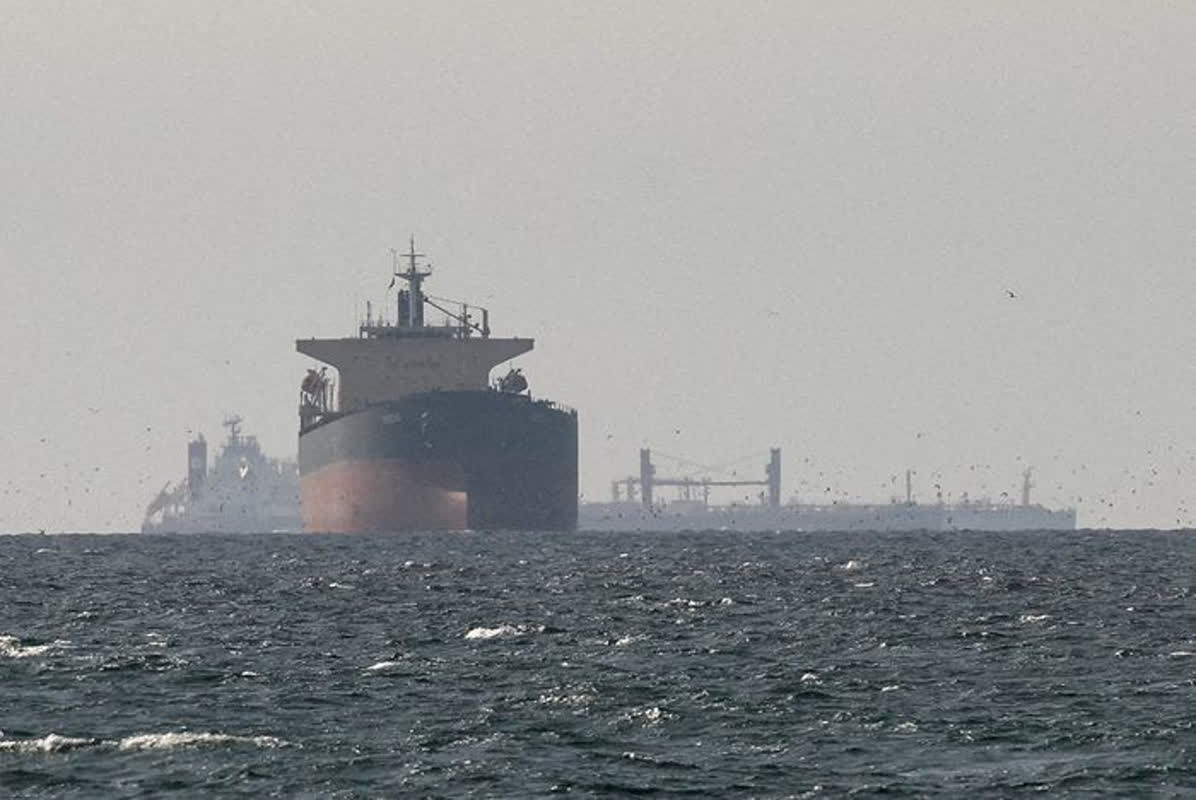
Question 2 — Reports that Iran plans to collect tolls in the Strait of Hormuz have gained traction. Tehran has reportedly allowed only friendly vessels from countries such as China and India to transit selectively, and some accounts say it accepted payments in yuan. Despite U.S. objections, is Iran likely to put such a policy into effect?
Question 2‑1 — Tehran could be using this as leverage. Iranian media have floated charging 2 million USD (approximately 2.67 billion KRW) per vessel and estimated annual revenues near 150 trillion KRW (approximately 112.5 billion USD). Is that a red line for Iran, a concession it is unlikely to make while facing pressure over its nuclear program?
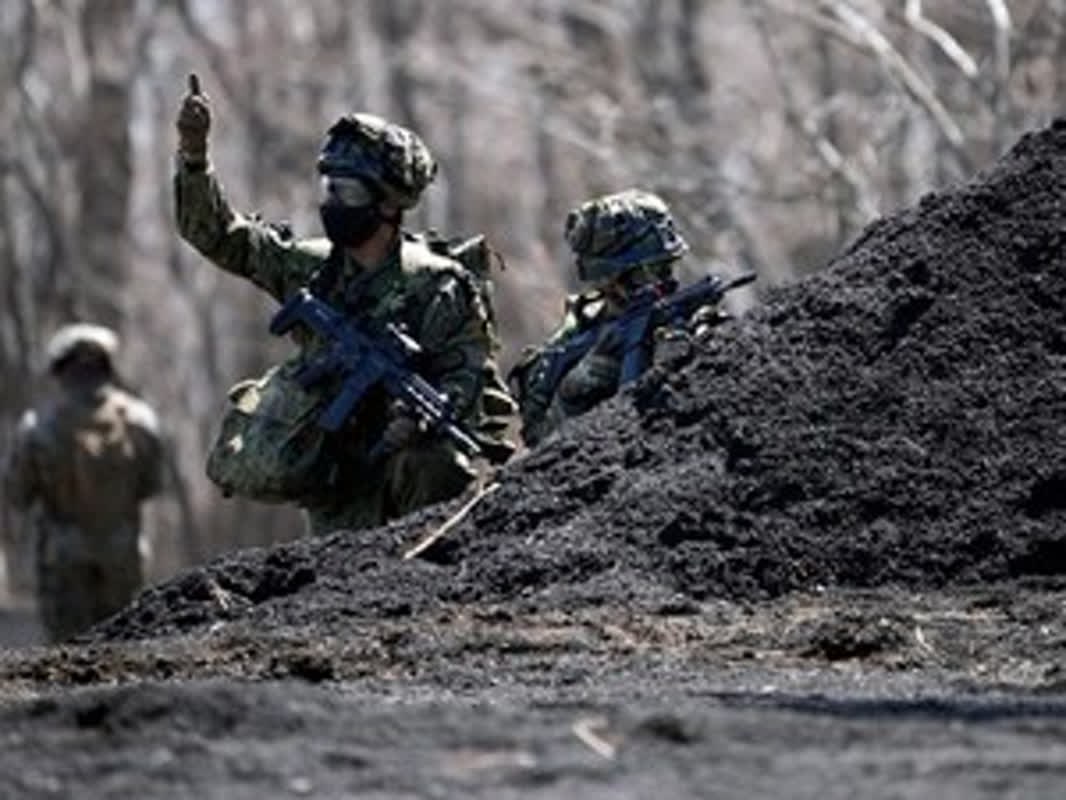
Question 3 — U.S. officials have increased warnings about a possible ground campaign, and reports now suggest as many as 17,000 U.S. troops could deploy to the region. That force would be insufficient for a full‑scale invasion, but could it enable operations such as seizing Kharg Island or attempting to capture uranium stockpiles?
Question 3‑1 — Deploying ground forces raises the risk of U.S. casualties and heightens domestic antiwar pressure, even among segments of the president’s base. Expanding troop commitments increases political and strategic costs — but would it generate enough pressure to force Iran to surrender? That’s the central question.
Question 4 — After concentrated strikes on two Iranian nuclear sites in one day — including a heavy‑water reactor — Israeli forces struck the Bushehr nuclear facility. Compared with the U.S., Israel appears less intent on an early end to fighting. How do you assess Israel’s strategy?
Question 5 — Israel is under strain over interceptor missile stocks. Relying on shorter‑range, cheaper interceptors has produced cases where Iranian missiles penetrated layered air defenses. Iran’s missile and drone inventories have reportedly fallen by more than half, but officials say they can still sustain operations for now. Is that assessment accurate?
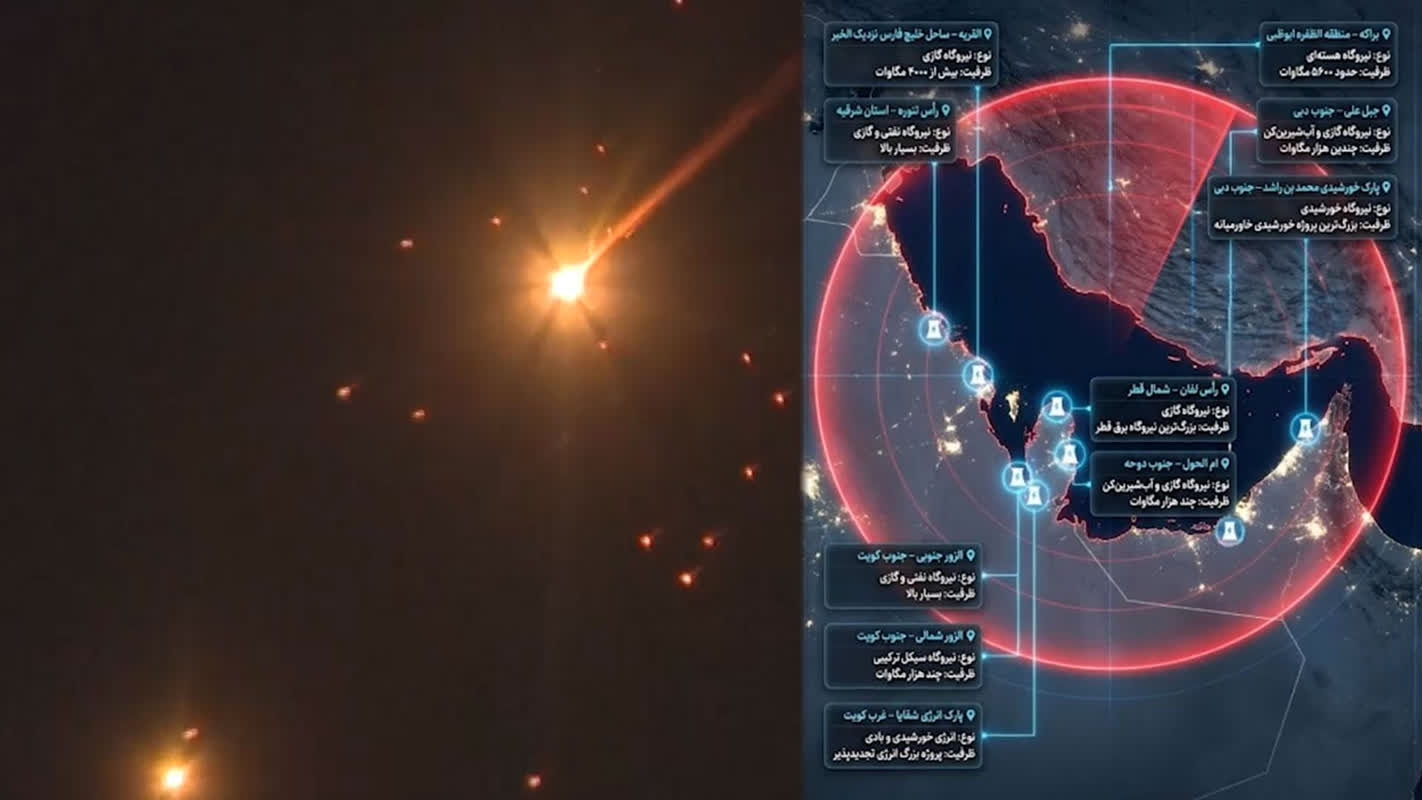
Question 6 — Debris from a downed ballistic missile fell and sparked a fire near the Khalifa Economic Free Zone in Abu Dhabi, a jurisdiction that allows 100% foreign property ownership. The incident raises fears that the conflict’s effects could spill into countries not party to the fighting. How serious is that risk?
Yonhap News TV news inquiries and tips: KakaoTalk/Line jebo23
Choi Byung‑yoon (yoonique@yna.co.kr)