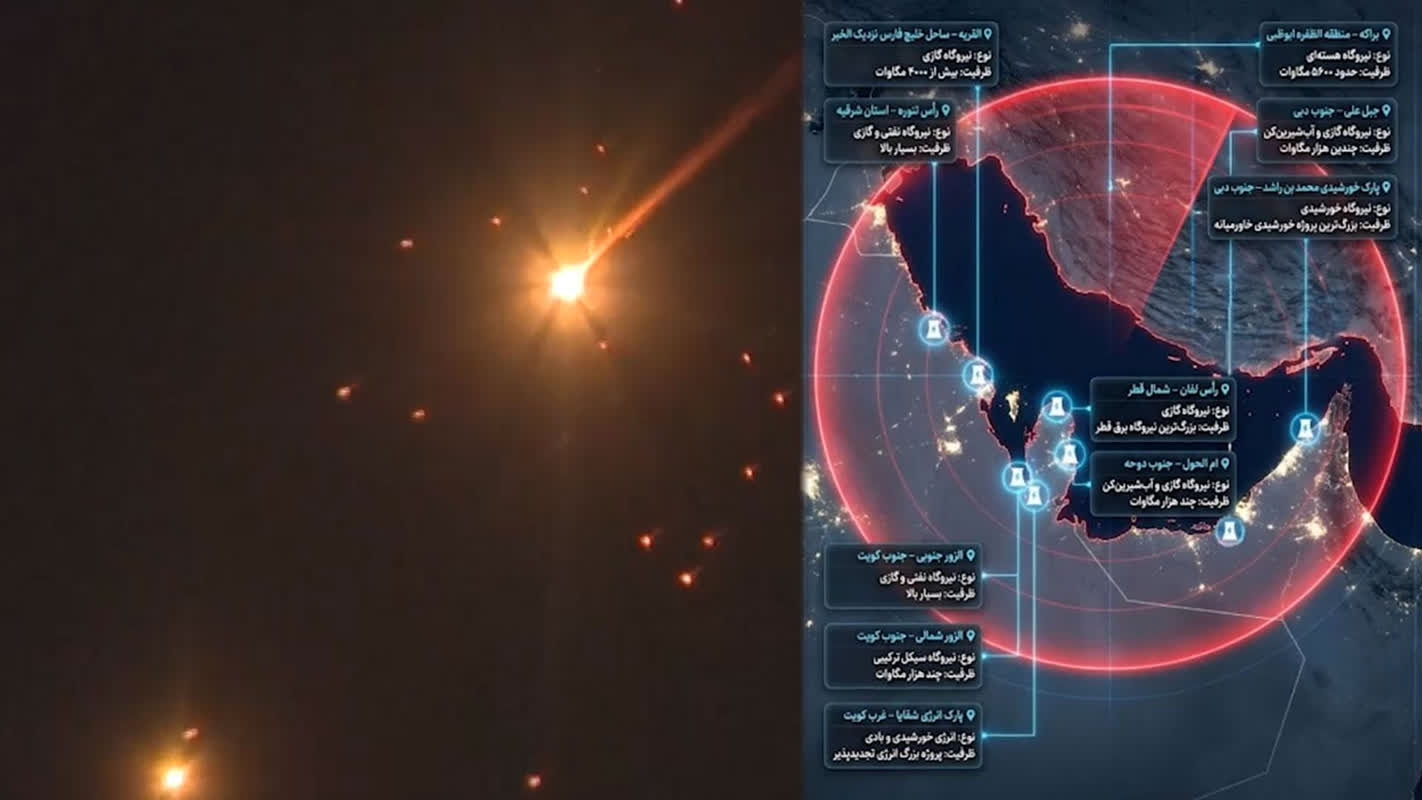
In a statement on April 5 (local time), the IRGC said it struck Israel’s Haifa refinery; the United Arab Emirates’ Habshan gas facility and Al Ruwais petrochemical plant; Bahrain’s Sitra petrochemical complex; and Kuwait’s Shuaiba petrochemical facility.
The IRGC claimed the Al Ruwais plant supplies fuel used for U.S. and Israeli military logistics and that the Haifa refinery provides jet fuel for Israeli fighter aircraft.
It said the Habshan gas facility in the UAE is operated by American firms such as ExxonMobil and Chevron, that Bahrain’s Sitra plant produces petroleum derivatives used by the U.S. military, and that Kuwait’s Shuaiba petrochemical facility continues to cooperate with U.S. forces.
The IRGC described the strikes as “direct retaliation” for recent attacks on Iran’s civilian infrastructure, including the Karaj B1 bridge and the Mahshahr petrochemical complex.
The statement accused its adversaries of resorting to the “cowardly” tactic of attacking civilian targets after suffering setbacks at sea and on land and seeing aircraft and drones shot down. “We will return attacks on civilian facilities with double the retaliation,” it warned.
Earlier, Iran’s military vowed to keep fighting until the enemy faced “eternal regret and surrender,” responding to then-U.S. President Donald Trump’s warning of “two to three weeks of heavy strikes.”
According to state broadcaster IRIB, Ebrahim Zolfaqari, spokesman for the Hatam al-Anbiya central military headquarters that coordinates Iran’s forces, warned on April 2 that the U.S. and Israel should brace for follow-up measures that would be stronger and more destructive.
Zolfaqari said U.S. and Israeli intelligence on Iran’s military capabilities is incomplete and that the adversaries do not fully grasp Iran’s wide-ranging strategic reach.
“This war will end in the enemies’ humiliation, eternal regret, and surrender,” he said, warning of follow-up strikes “stronger, broader and more destructive than anything they have imagined so far.”