[Anchor]
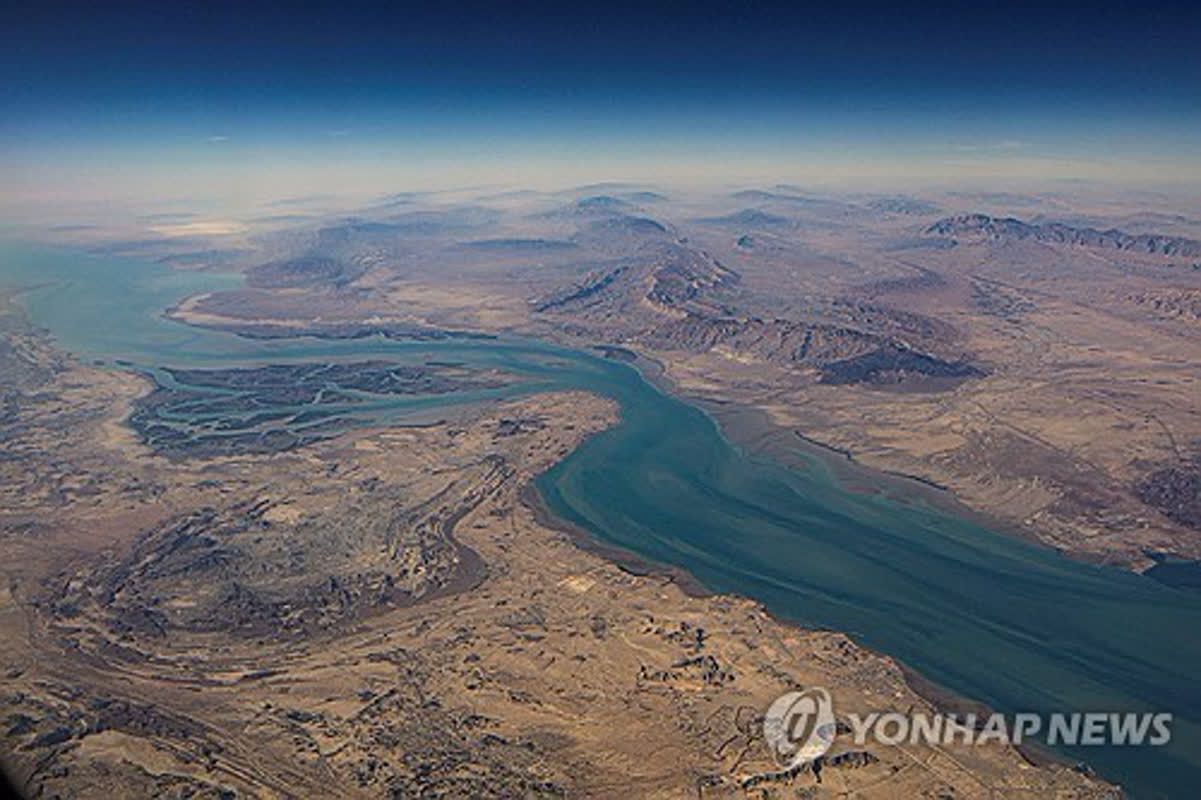
Although the Middle East crisis has moved toward a ceasefire, the Strait of Hormuz — a critical artery for global energy shipments — remains largely closed to international traffic.
In practice, Iran appears to be allowing passage primarily for its own vessels, deepening pressure on the maritime industry.
South Korean ships remain on standby and have not put to sea.
Reporter Oh Ju-hyun reports.
[Reporter]
U.S. and Iranian officials reportedly agreed to reopen the Strait of Hormuz as part of a ceasefire arrangement, but only a handful of ships have transited the waterway since the declaration.
Data analyzed by the BBC from maritime tracking service MarineTraffic shows just 11 ships passed through the Strait of Hormuz through the 9th (local time) after the ceasefire.
By comparison, roughly 138 vessels transited the strait daily before the blockade, underscoring that the bottleneck persists.
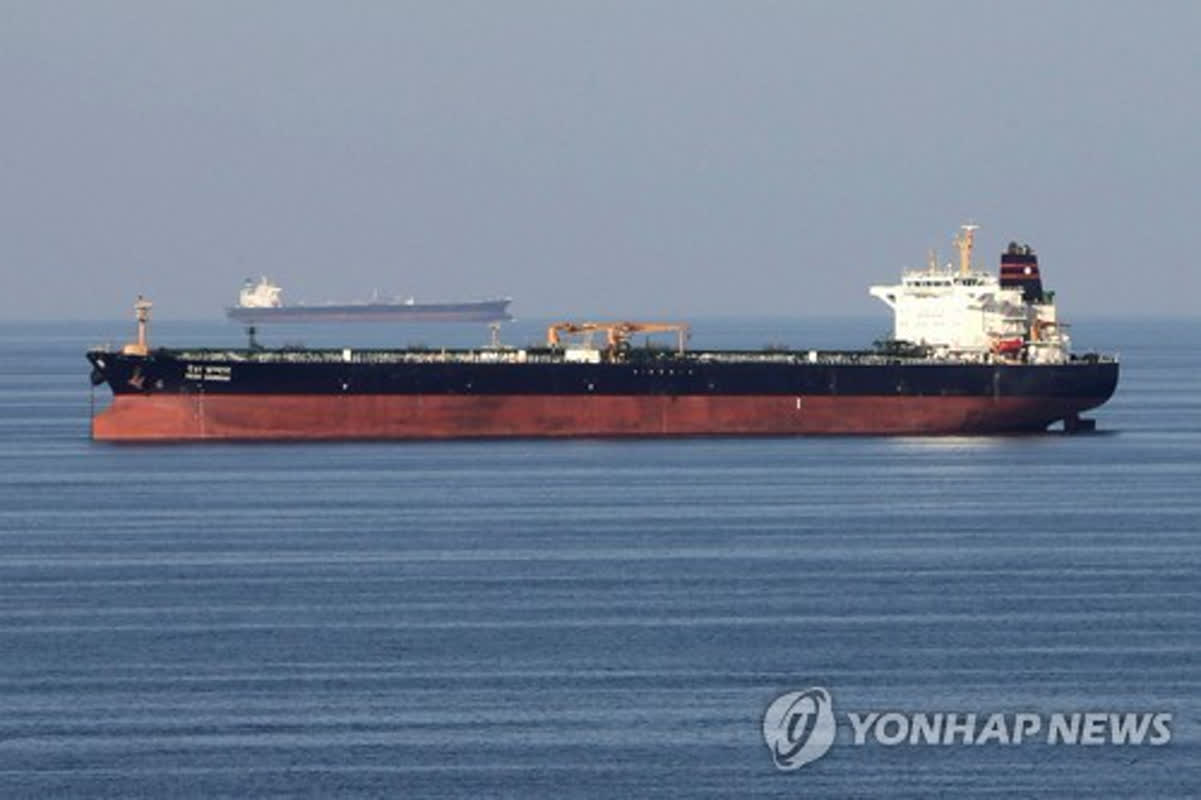
The tanker MSG, hailed as the first non-Iranian vessel to pass, was flagged to Gabon. Investigations, however, indicate the ship is effectively Iranian-owned.
Iranian officials maintain the strait is open.
“Saeed Khatibzadeh / Iranian Deputy Foreign Minister” “The Strait of Hormuz is open. However, any vessel wishing to transit must coordinate with the Iranian military.”
Shipowners and operators are wrestling with opaque transit fees demanded by Iran and the ongoing threat of naval mines.
As the situation drags on, some crew members stranded aboard vessels in the strait have expressed desperation, saying they want to abandon their jobs and return home.
The international community has sharply criticized Iran’s restrictions on passage.
“Yvette Cooper / UK Foreign Secretary” “We should not allow Iran to impose transit fees in the Strait of Hormuz. This is an international passage on the high seas; charging fees for transit is unacceptable.”
At present, 26 South Korean vessels remain held up near the Strait of Hormuz.
Seoul continues to advise ships to avoid the area while assisting individual carriers with their transit plans.
South Korea’s Ministry of Oceans and Fisheries says most vessels have completed pre-departure preparations and that it will spare no effort to secure the safe passage of Korean ships.
This is Oh Ju-hyun for Yonhap News TV.
[Video editor Kim Geon-young]
[Graphics Min Seung-hwan]
[News review]
For Yonhap News TV story inquiries and tips: KakaoTalk/LINE jebo23
Oh Ju-hyun (viva5@yna.co.kr)