 |
| /Yonhap |
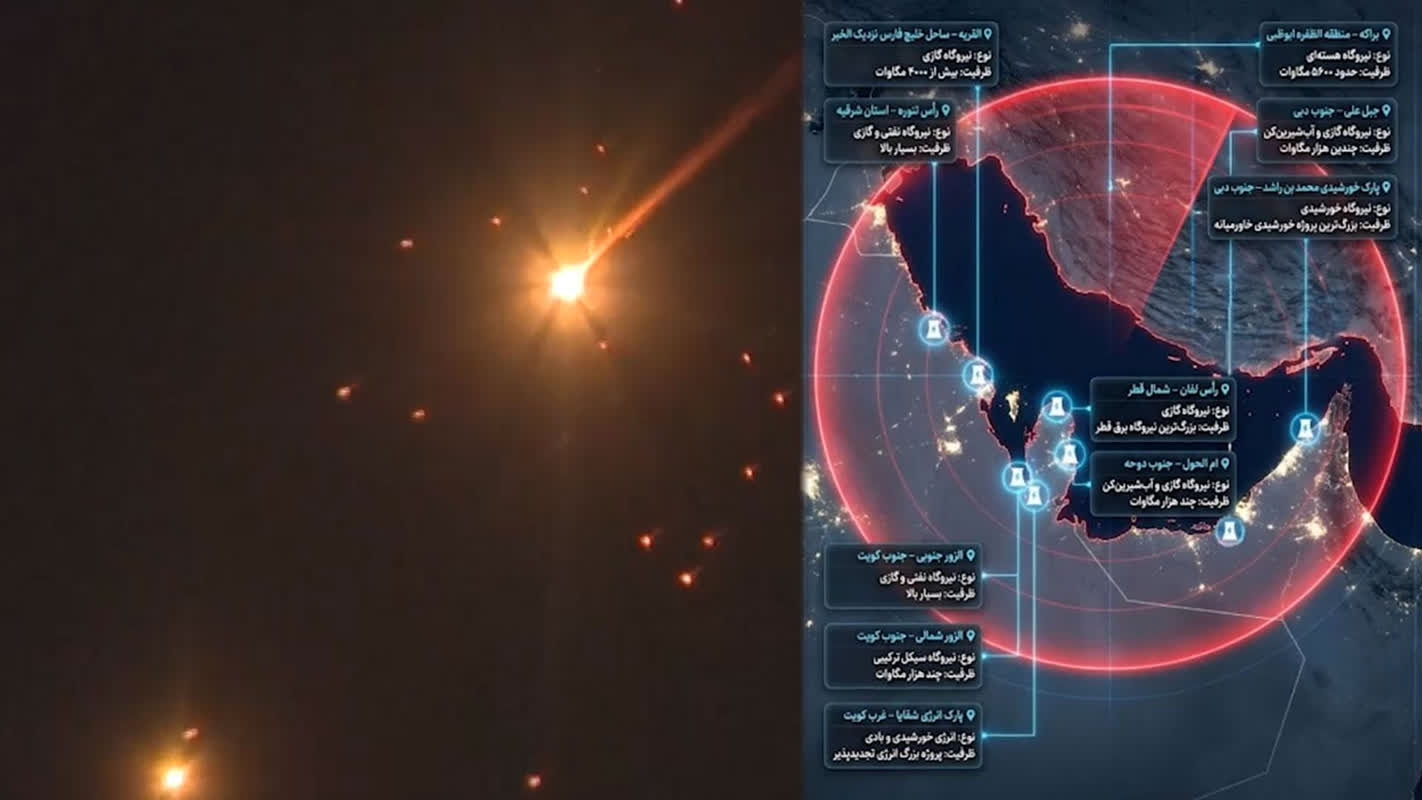
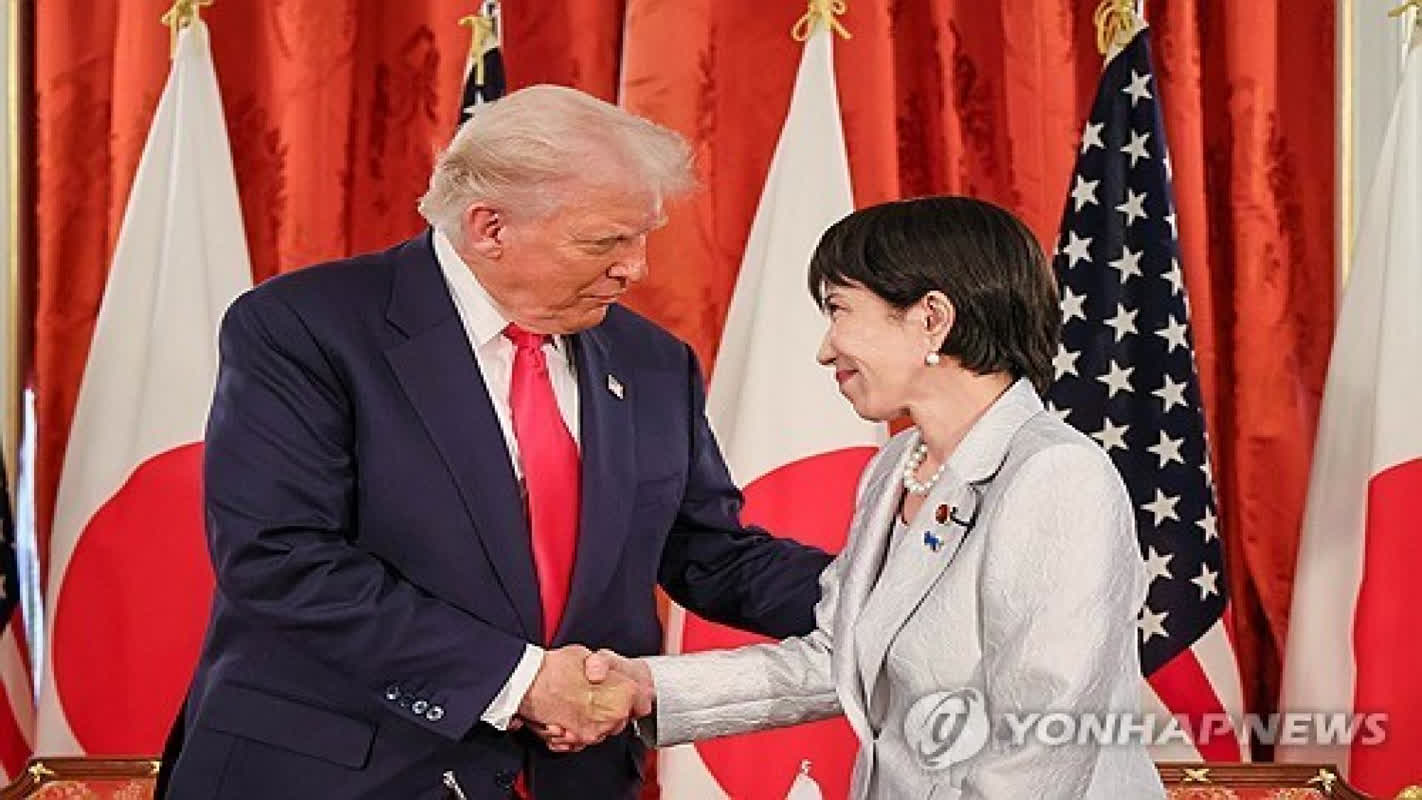
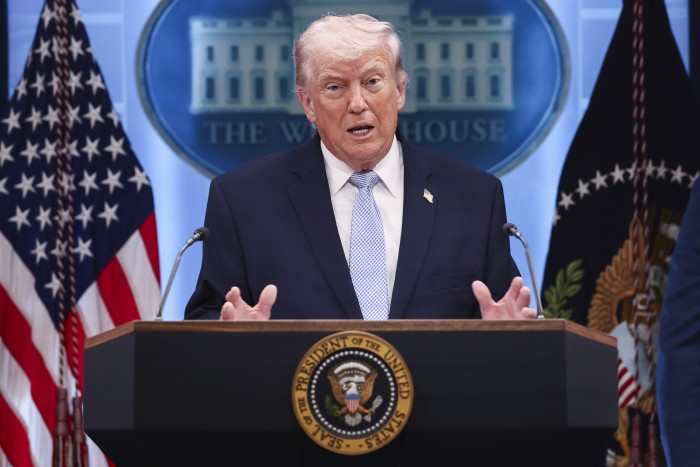
President Donald Trump said the U.S. agreed to halt strikes on Iran for two weeks in exchange for Iran’s commitment to fully and immediately reopen the Strait of Hormuz. The ceasefire followed appeals from international mediators, including Pakistani Prime Minister Shehbaz Sharif. Iran’s Supreme National Security Council framed the outcome as a historic victory, saying Washington accepted all 10 points of Tehran’s proposed settlement. Iranian Foreign Minister Abbas Araghchi said defensive operations would cease if attacks stopped and that safe passage through the Strait of Hormuz would be possible for two weeks. Israel, another combatant in the conflict, likewise agreed to the ceasefire and to halt strikes.
The accord pulled the United States back from the brink. President Trump had threatened, if talks failed by 9 a.m. (Korean time) on the 8th, to strike Iranian bridges and power facilities. Significant obstacles remain, however. A White House official said the ceasefire takes effect once the Strait of Hormuz reopens, and Iran’s statement echoed that point, but exactly when commercial shipping can resume is still uncertain. South Korea’s Ministry of Trade, Industry and Energy said it is checking the current navigational situation in the strait but could not provide a timetable. Since the fighting began, 26 South Korean‑flagged vessels — including seven oil tankers — have been held up in the strait, carrying 173 Korean crew members. The Ministry of Oceans and Fisheries must lift its advisory urging ships to avoid the Strait before transit can resume. The government should mobilize coordinated diplomatic efforts across agencies to secure swift, safe passage.
It is unclear whether the ceasefire will lead to a lasting peace. Starting on the 10th, U.S. and Iranian delegations are scheduled to hold two weeks of face‑to‑face ceasefire talks in Islamabad. Iran’s 10‑point proposal, transmitted through Pakistan, calls for continued Iranian control of the Strait of Hormuz, formal recognition of Iran’s uranium enrichment rights, a full rollback of the first and second rounds of economic sanctions, withdrawal of U.S. combat forces from the Middle East, payment of war reparations, and the return of frozen assets held abroad. President Trump said the package could provide a basis for negotiations, but the demands are broadly difficult to accept. Both sides are claiming victory, a posture that complicates efforts to reach a settlement acceptable to all parties.
The government must prepare for the possibility that negotiations collapse and plan for contingencies. With significant damage reported at Middle Eastern oil facilities, South Korea should accelerate diversification of crude supplies — including increased procurement from the United States, alternative suppliers in Africa, and other partners — to reduce vulnerability. Seoul should also play an active role in international efforts to restore open navigation through the Strait of Hormuz and to eliminate any transit fees. Finally, the government should shore up the U.S.–ROK alliance and prepare for potential post‑conflict costs that could arise from trade negotiations, tariffs, or U.S. force posture reviews.