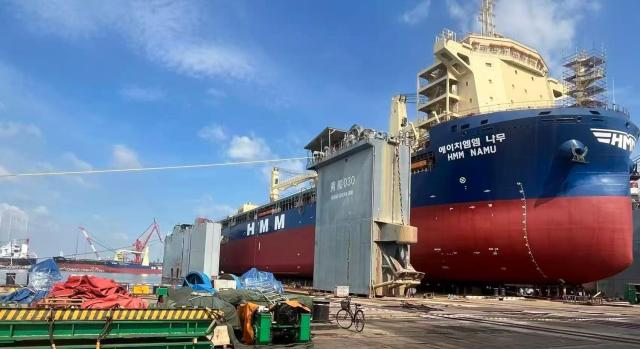
A fire erupted aboard a South Korean cargo ship in the Strait of Hormuz, prompting the Lee Jae‑myung administration and private carriers to shift to emergency operations amid concerns this could be the first Korean vessel struck since the recent Middle East conflict. Officials said they will respond cautiously, balancing the possibility the blaze was caused by an attack—such as an Iranian mine or a suicide drone—with the diplomatic consequences of assigning blame.
According to the government and HMM, the unexplained blaze aboard the anchored HMM Namu (NAMU) began at about 8:40 p.m. the previous evening (Korean time) in waters near the United Arab Emirates and was extinguished around midnight on the 5th, roughly four hours after it started.
The ship was carrying six South Korean crew members and 18 foreign crewmembers; authorities confirmed there were no casualties.
The Ministry of Oceans and Fisheries and HMM towed the vessel to the nearby Port of Dubai and dispatched a tug contracted by HMM to support the investigation into the cause.
The Blue House, the Foreign Ministry and the Ministry of Oceans and Fisheries have been guarded in public comments about what sparked the fire. The incident occurred after the United States launched its so‑called "Liberation Project" to free ships trapped in the Strait of Hormuz.
Because the sides have exchanged fire in the area and a Korean vessel may have been struck by stray rounds or other munitions, Seoul said it must be especially cautious about publicly assigning responsibility given the diplomatic risks.
The government is maintaining real‑time contact with shipowners and vessels as it develops follow‑on measures. The Blue House convened a meeting chaired by Chief Presidential Secretary Kang Hoon‑sik to coordinate the response. The Foreign Ministry urgently assembled a Task Force for the Protection of Overseas Nationals, led by Vice Foreign Minister Kim Jin‑ah, involving seven missions in the Middle East. The Ministry of Oceans and Fisheries held emergency situation briefings on May 4 and 5 under Minister Hwang Jong‑woo.
HMM activated its emergency command immediately after the fire. From its Busan Integrated Vessel Operations Center, the company is monitoring vessels in real time, tracking the local situation and preparing post‑incident measures.
Shipping experts say a routine engine‑room fire is unlikely. Crew reported an unexplained "thud" followed by a fire on the port side of the engine room, and the NAMU is a new ship launched in September last year, making an accident caused by worn equipment less probable.
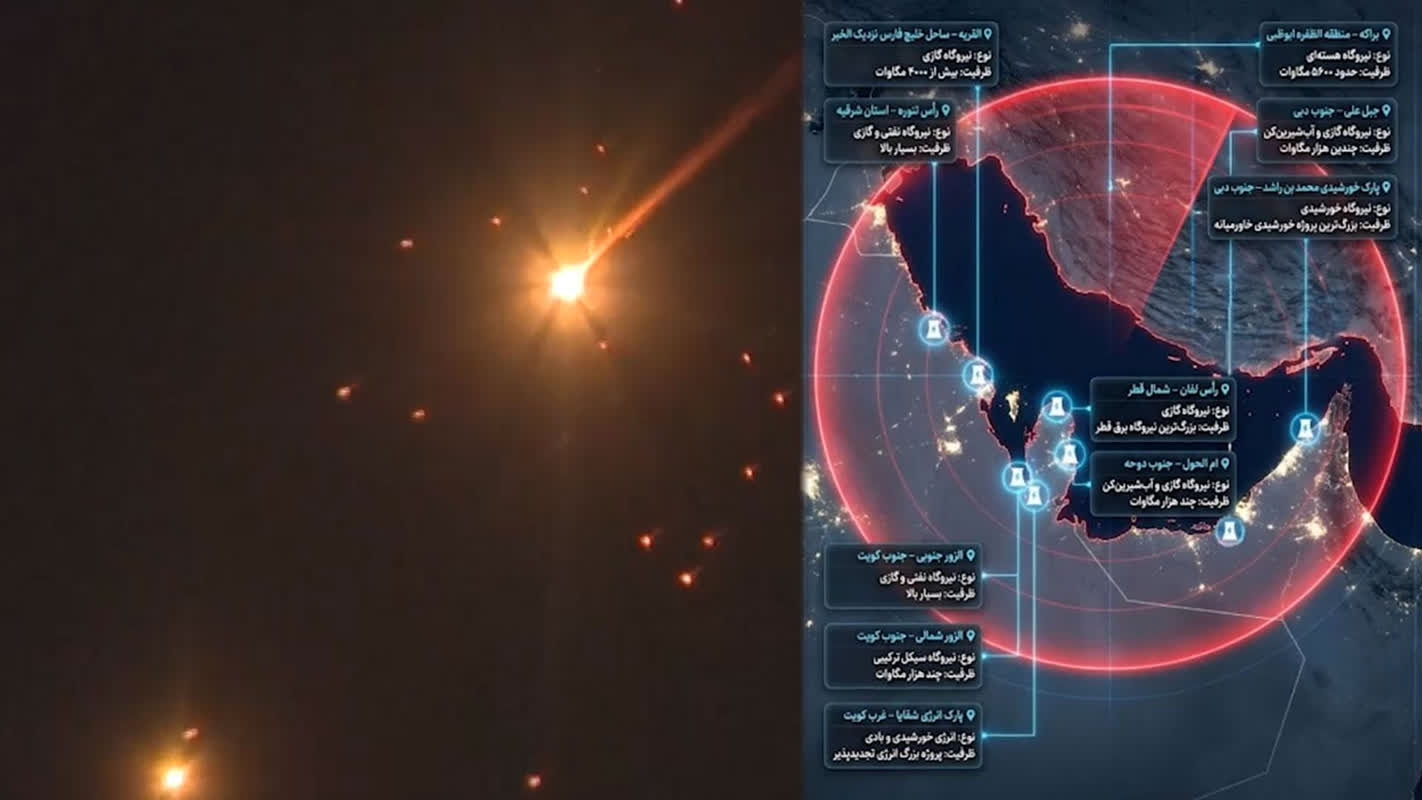
Officials are also weighing whether the ship might have struck a mine laid by Iran or been hit by an Iranian suicide drone, such as a Shahed. Historically, mines deployed to blockade the Strait of Hormuz have been scattered indiscriminately and not aimed at vessels of a specific nationality. By contrast, a suicide‑drone strike would suggest the attackers identified the ship as Korean. The type of weapon that caused the external impact will shape Seoul’s next steps.
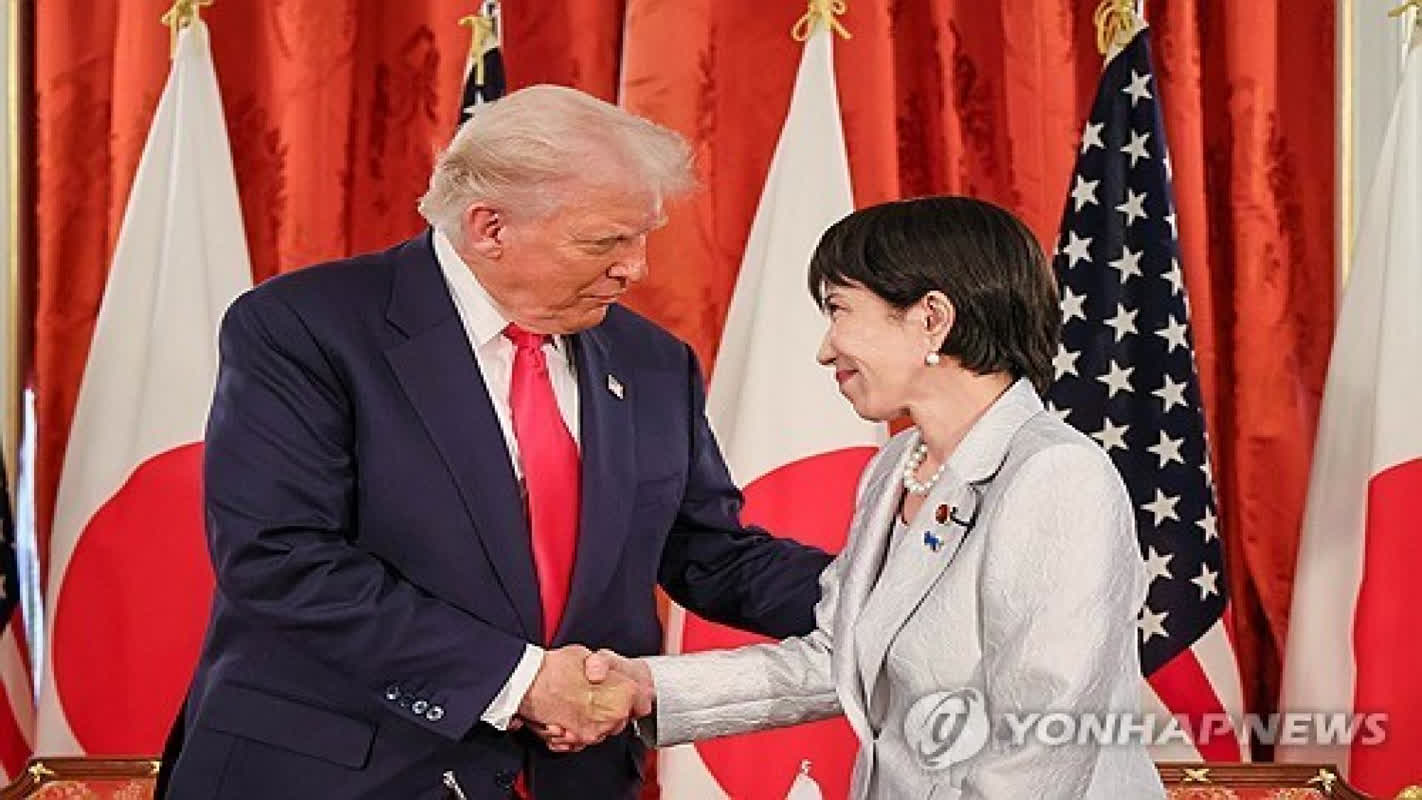
U.S. President Donald Trump pointed to Iran as responsible in a post on his social platform Truth Social, alleging Iran repeatedly fired on neutral vessels—including a Korean cargo ship—during movements related to the "Liberation Project."
As of this reporting, Seoul counted 123 Korean seafarers and 37 foreign seafarers inside the inner Strait of Hormuz. Domestic carriers, including HMM, have begun moving their ships toward the relatively safer waters off Qatar.
The incident is expected to intensify demands from seafarers who have been stranded in the Strait for extended periods to disembark. A ministry official said the government will prioritize and safely repatriate those who exercise their right to disembark.