Iran Missile Direct Hit on Chinese Workers and On‑Site Tragedy
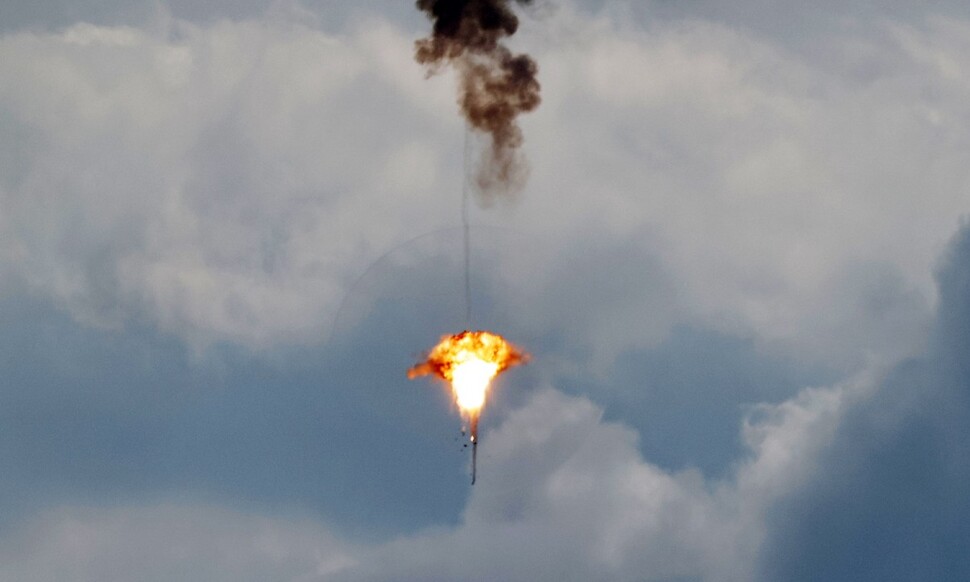
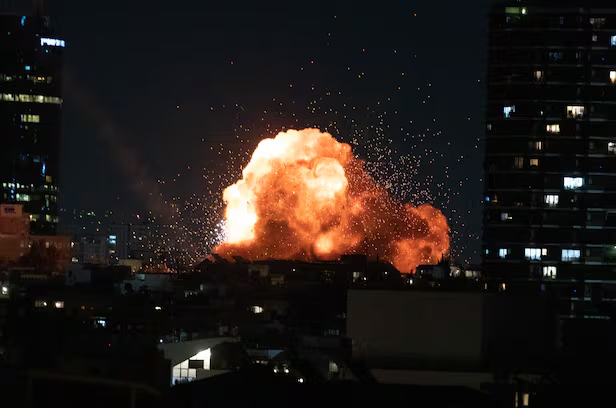
The Islamic Revolutionary Guard Corps fired a Scud‑type ballistic missile at a construction site in Abu Dhabi, United Arab Emirates. The explosion killed 47 Chinese workers and wounded more than 200, including many with serious injuries. CCTV footage shows the missile penetrating a high‑rise and shearing off an entire 20th floor. While the intended target was Saudi‑backed infrastructure, lodging for a Chinese construction crew was struck, producing a devastating and unexpected loss of life.
Within minutes the Abu Dhabi city center was shrouded in black smoke, and the screams of the injured echoed for roughly 30 minutes. Chinese nationals made up about 80% of the dead, prompting an angry reaction in Beijing. Rescue teams combed through concrete and steel debris for survivors, but the thermal blast from the warhead made survival unlikely. Iran called the strike a “mistaken attack,” but the missile’s precision guidance has fueled suspicions that the hit was deliberate.
Officials and rights groups characterized the incident as more than a battlefield casualty — they called it a civilian massacre and discussed referring the case to the International Criminal Court. The Chinese embassy dispatched emergency teams and demanded the swift return of victims’ remains. The UAE declared a national emergency and moved to wartime procedures in response to what its government called Iran’s indiscriminate assault. The strike underscored the global ripple effects of the widening Middle East conflict.
China’s Fury and a 12‑Nation Coalition Declares Intervention
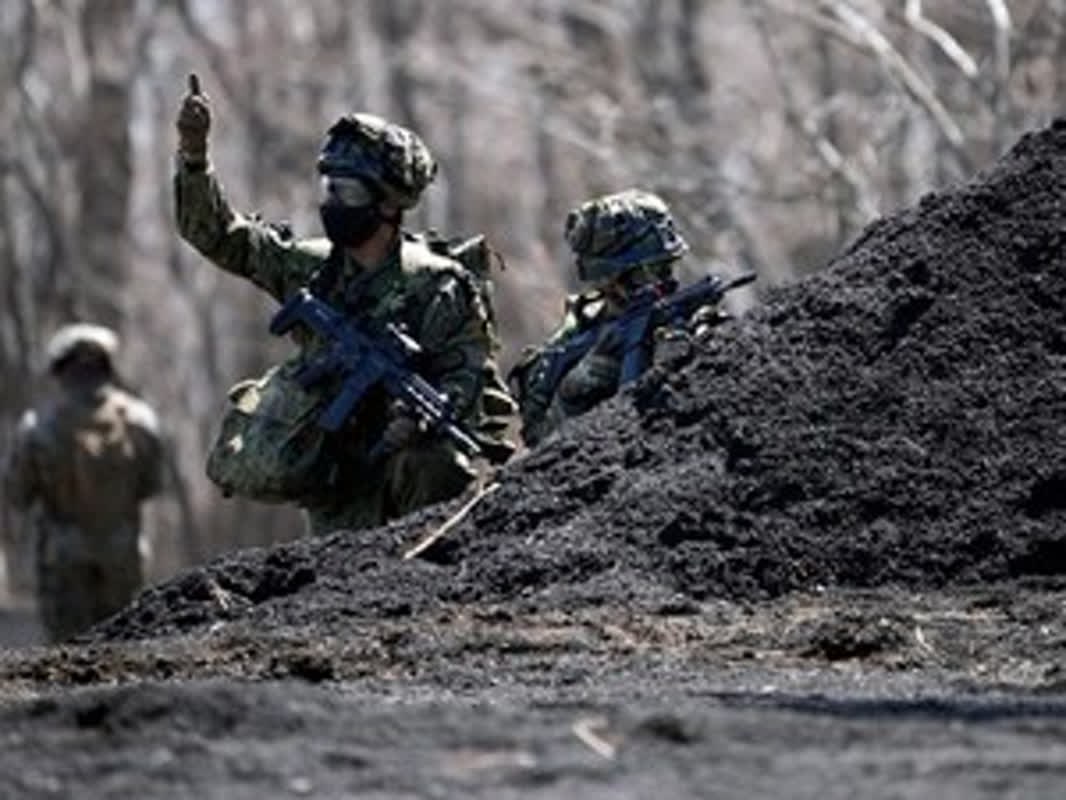
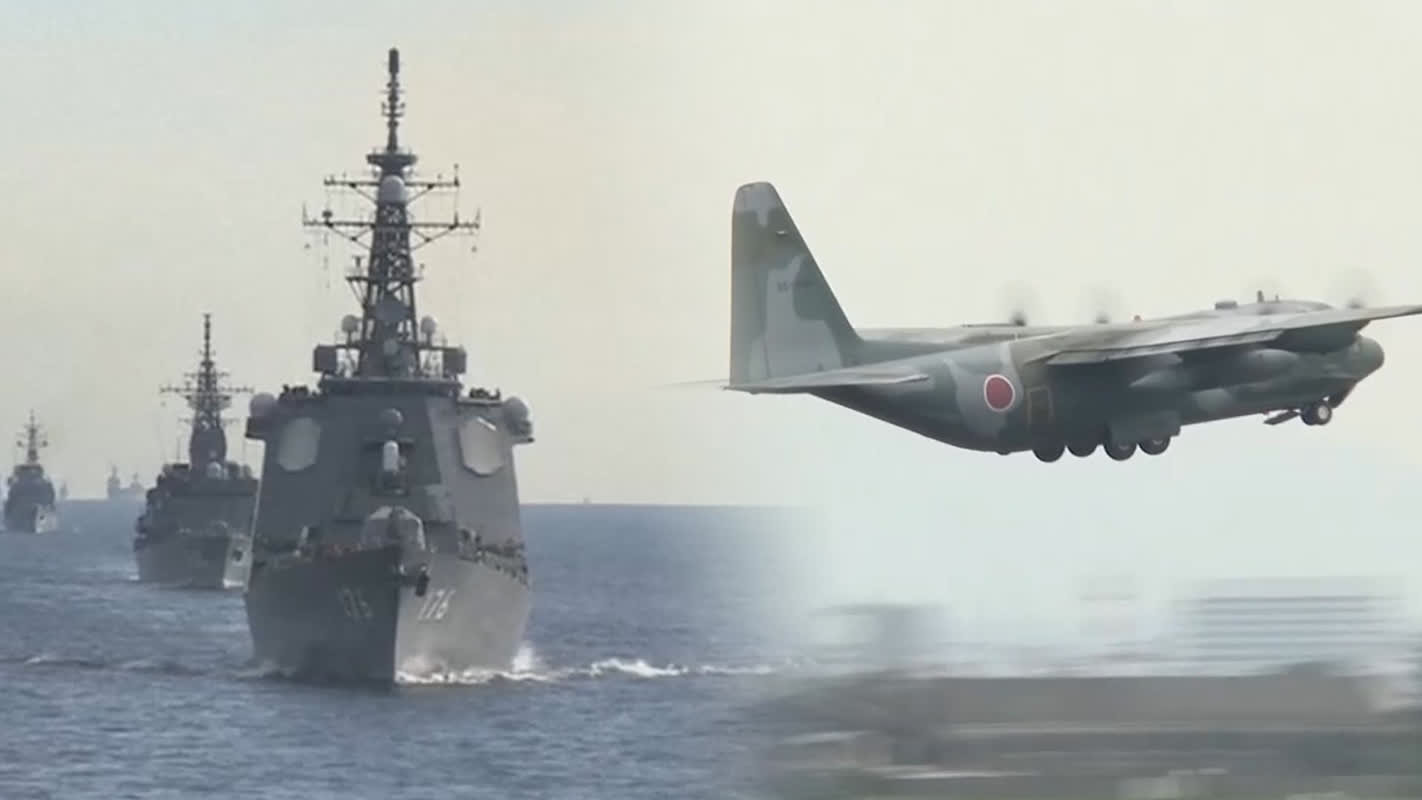
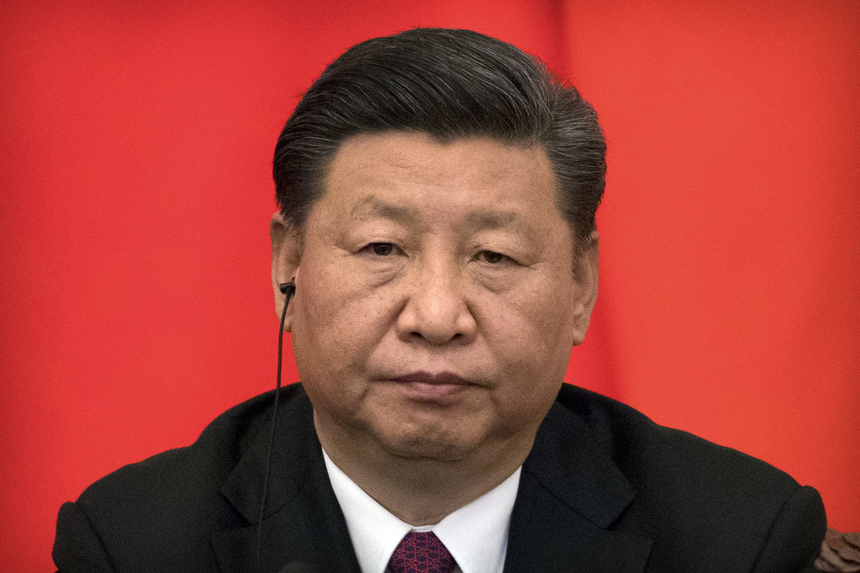
China’s foreign ministry labeled the attack on Chinese citizens a “war crime,” immediately demanding an apology and compensation. President Xi Jinping vowed to hold the Iranian regime accountable and did not rule out military options. Twelve countries — Saudi Arabia, the UAE, the United States, the United Kingdom, France, Germany, Italy, Canada, Australia, Japan, South Korea and India — announced a coordinated military campaign against Iran.
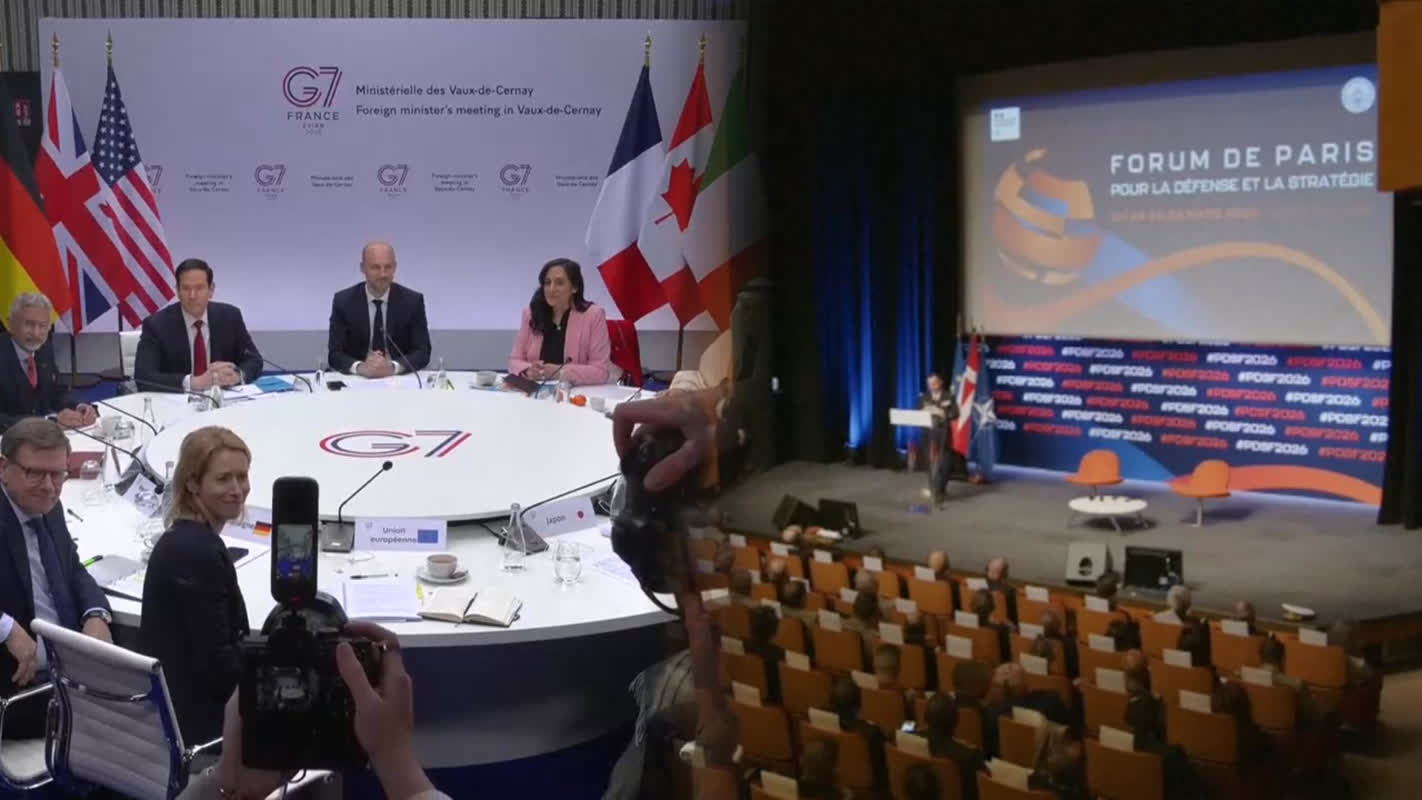
The coalition’s planned force structure rivals the size of the anti‑ISIS coalition: roughly 450,000 troops and about 2,000 combat aircraft. China reportedly deployed an aircraft carrier to the Strait of Hormuz and forward‑positioned J‑20 stealth fighters in the region. Member states expelled 47 Iranian diplomats and froze $30 billion in assets. G7 leaders set regime change in Tehran as the ultimate objective and intensified economic sanctions threefold.
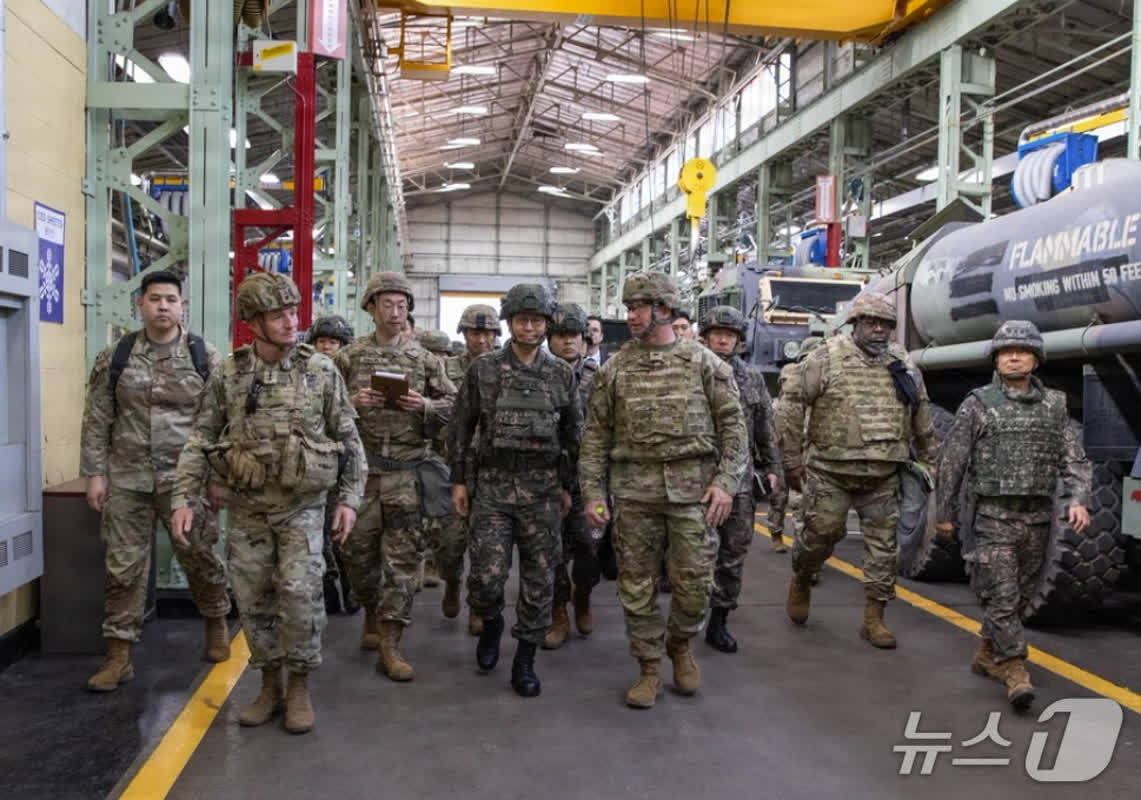
Analysts said the strike crossed a widely observed international red line by directly targeting civilians. Several European states scrambled NATO fighters under the stated aim of preventing refugee flows. South Korea pledged air‑defense support to the Middle East using operational data from its Cheongung‑II system. The coalition’s combined pressure is likely to place unprecedented strain on Iran’s ability to sustain the conflict.
Israel’s Iron Dome Disabled and Analysis of Iran’s Missile Offensive
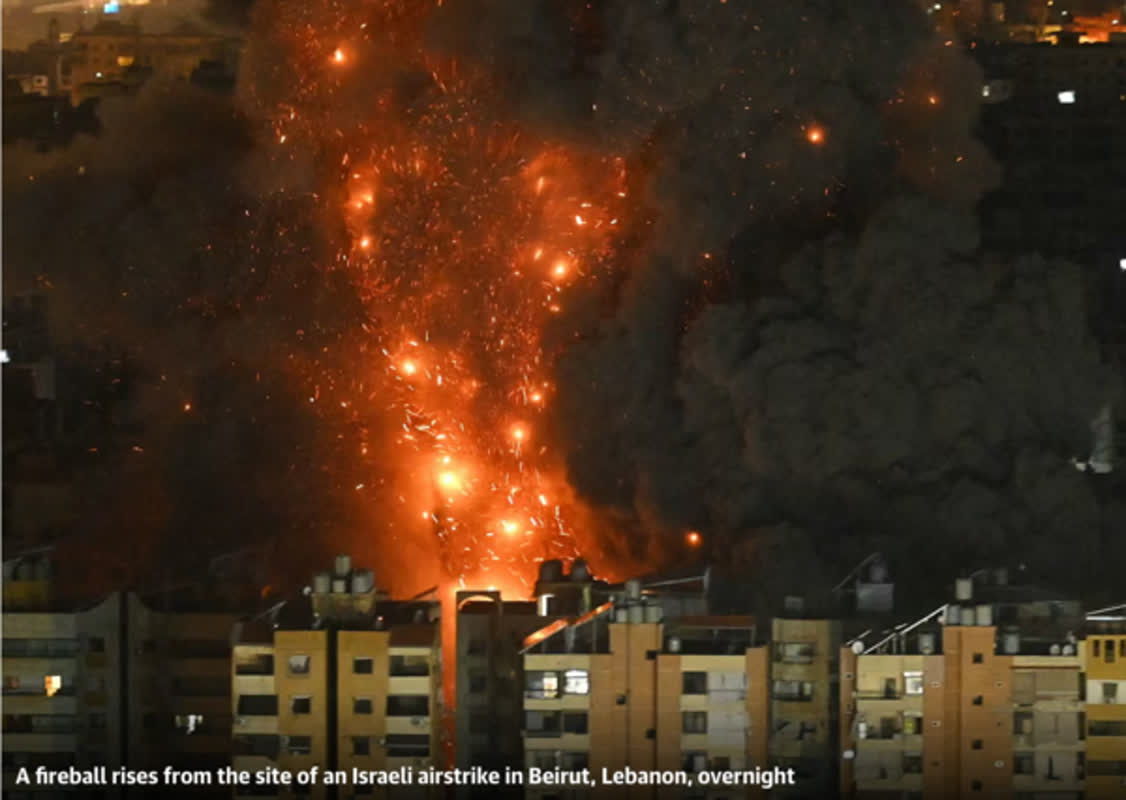
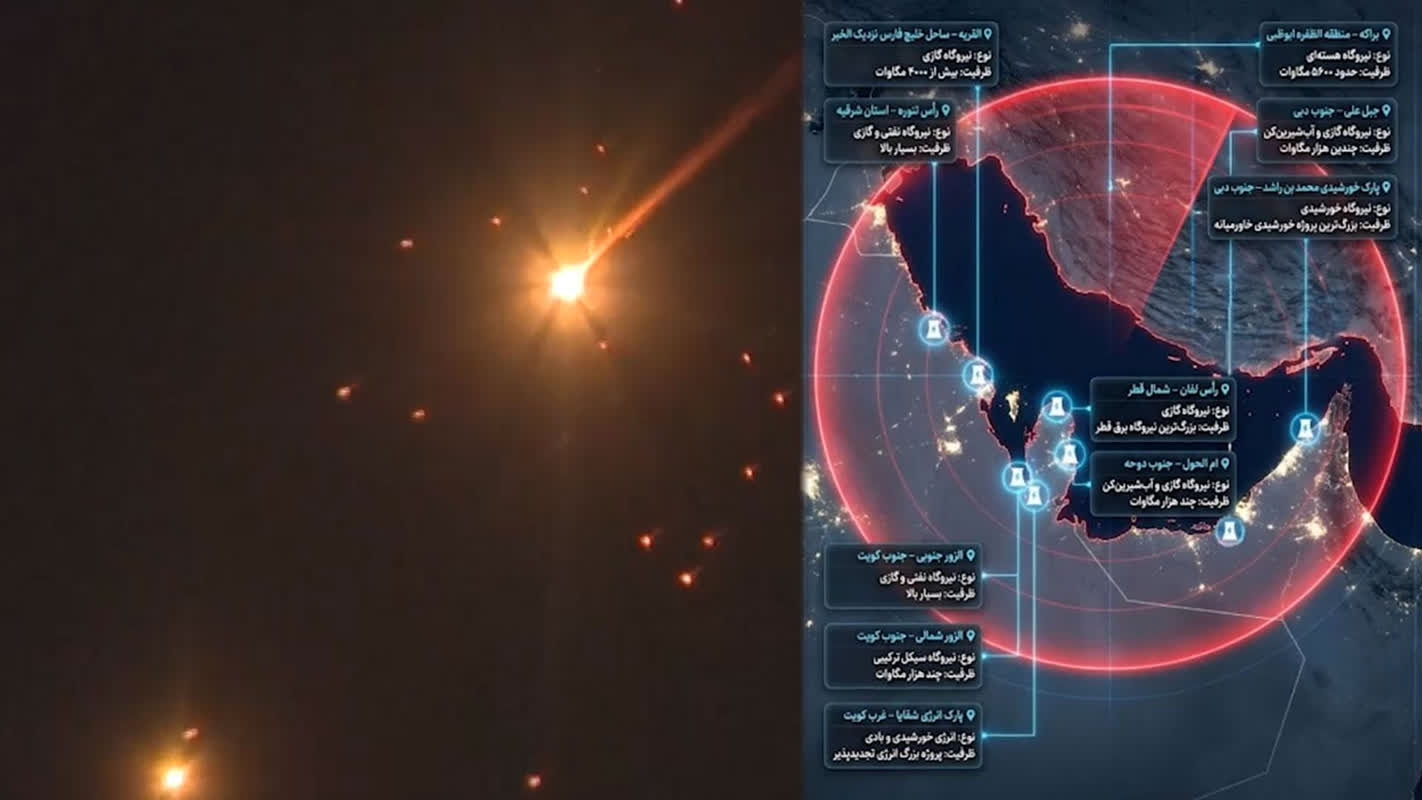
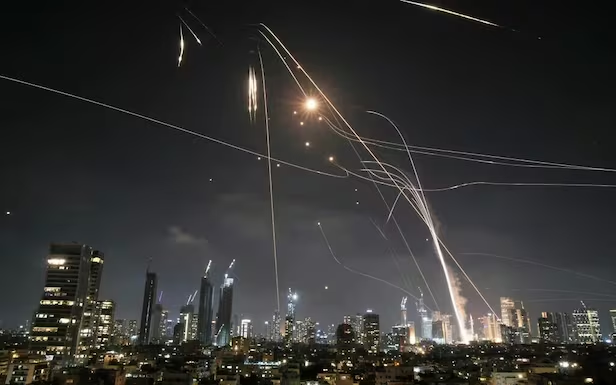
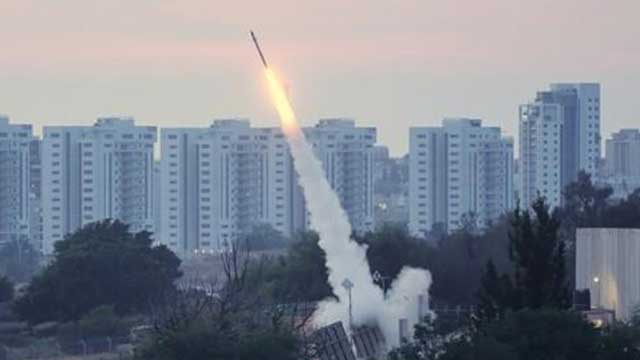
In a coordinated strike, Iran launched 110 Pata‑1 hypersonic missiles at Tel Aviv, overwhelming the Iron Dome air‑defense network. The weapons reentered at roughly Mach 12, driving interception success down to about 20%. Three runways at a Tel Aviv airbase were destroyed and 12 F‑35s were rendered inoperable. Iranian tactics reportedly combined radar disruption using slower missiles followed by hypersonic salvoes.
Iron Dome’s layered architecture, tuned largely for lower‑speed threats, proved vulnerable to very high‑velocity ballistic weapons. Iran’s missiles used GPS and satellite guidance to achieve reported accuracy within 10 meters. Direct hits on a Jerusalem hospital and a civilian airport resulted in roughly 180 fatalities. Israel used its Arrow‑3 system to intercept follow‑on launches, but the initial saturation attack exposed critical gaps in regional air defenses.
Analysts estimate Iran’s missile inventory at more than 3,000 rounds, meaning this operation consumed roughly 10% of its stockpile. The weapons appear to combine North Korean Hwasong frame technology with Russian hypersonic guidance systems. Israel requested urgent U.S. THAAD deliveries, but fielding would take about three weeks. Tehran’s rapid capability advances have prompted a strategic reassessment of Middle East air defenses.
Cheongung‑II’s Combat Performance and UAE Praise
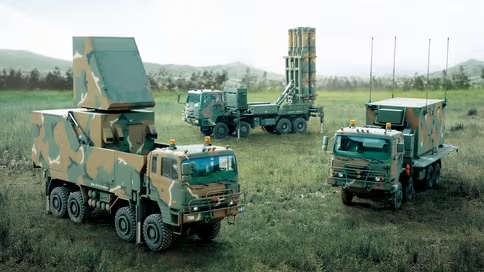
South Korea’s Cheongung‑II air‑defense system deployed by the UAE emerged as a pivotal defender, intercepting a large portion of Iranian drones and missiles. Over Abu Dhabi, it shot down 298 of 320 hostile drones — a 93% success rate. Cheongung‑II’s multi‑target tracking reportedly delivered roughly five times the engagement efficiency of a Patriot battery. The UAE president called South Korea “the savior of our people” and announced an order for 50 additional Cheongung batteries.
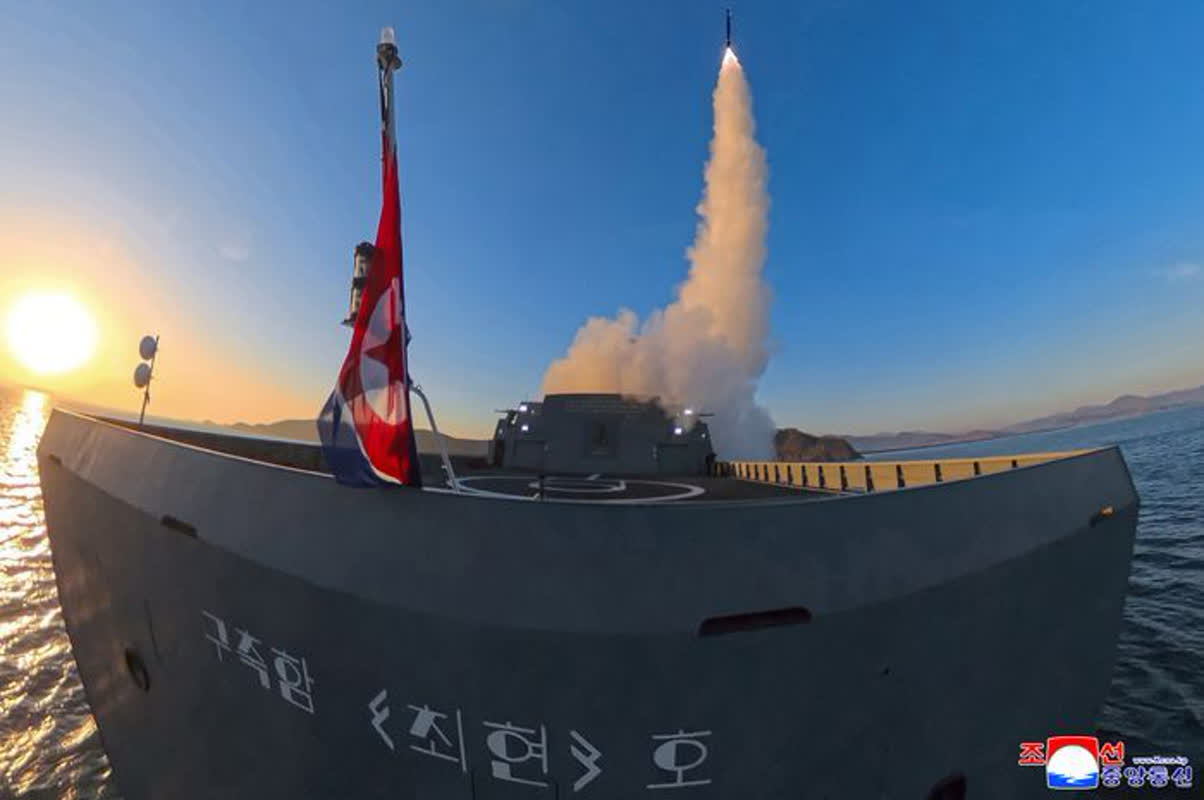
Key to Cheongung‑II’s performance are AI‑driven multilayer filtering and ultra‑fast interceptors capable of engaging Mach 7 ballistic threats at altitudes near 40 km. While Patriot stocks were reportedly strained, Cheongung‑II maintained UAE airspace defense. Saudi Arabia and Qatar also moved to procure Cheongung batteries. South Korean defense stocks jumped about 30% as global buyers took notice.
The IRGC derided the system as “the devil’s shield” and attempted flanking attacks that failed. UAE officials touted its cost‑effectiveness, describing performance at a fraction of the Patriot’s price. The combat record bolsters South Korea’s claim to field world‑class air‑defense solutions and signals a shift in procurement patterns across the region away from a U.S. monopoly.
![뉴스따라잡기]](https://contents-cdn.viewus.co.kr/image/2026/03/CP-2025-0103/image-9d55a022-29c7-4947-b3d0-a854823d98a8.jpeg)
Military Strength of the 12‑Nation Coalition and Iran’s Deepening Isolation
The coalition amassed roughly 12 aircraft carriers, 180 destroyers, 2,500 combat aircraft and some 8,000 cruise missiles. U.S. B‑2 stealth bombers were readied for continuous strikes against Iranian command nodes. China concentrated a large portion of its East Sea fleet near the Strait of Hormuz in a move Tehran framed as support. Europe forward‑deployed France’s Charles de Gaulle carrier strike group into the Mediterranean.
With only Russia and North Korea remaining as significant state partners, Iran’s effective combat power was assessed at roughly 5% of the coalition’s aggregate strength. The Assad regime in Syria appeared to be on the brink of collapse, and Yemen’s Houthi forces faced intense pressure under Saudi counteroperations. The G7 moved to cut Iranian oil imports entirely and froze financial flows; Iran’s foreign reserves at its central bank were expected to be depleted within weeks.
Anti‑government protests spread across Iran. In Tehran, an estimated 500,000 people clashed with security forces while demanding the supreme leader’s removal. The coalition’s economic squeeze risked accelerating internal destabilization. Russia’s pledge of support was constrained by the diversion of its forces to the Ukraine front, limiting practical assistance to Tehran.
Analysis of Chinese Casualties and Global Fallout
The deaths of 47 Chinese nationals — quickly described in some quarters as “the Pearl Harbor of the Middle East” — shifted international sentiment and hardened Beijing’s stance. Hundreds of millions of Chinese social‑media users denounced Iran and public opinion swung toward support for a tougher response. Chinese state media and officials warned of “historic reprisal” over the killings.
The incident disrupted China’s arms trade in the region. Companies that supplied Iran with air‑defense systems halted operations, and Beijing’s image as a mediator took a significant hit. Global oil prices surged past $180 per barrel, pushing the world toward stagflation. Europe accelerated its break from Russian gas, but energy shortages and grid stress worsened in the short term.
Western governments signaled potential additional sanctions against China for its role in arming Tehran. Even in Africa and Latin America, public sentiment toward China cooled. The episode represented a major setback to Beijing’s geopolitical ambitions and its claim to be a neutral broker.
End‑of‑War Scenarios and the Future of South Korea’s Defense Industry
Under overwhelming coalition firepower, some planners judge Iranian surrender possible within 90 days. U.S. thermobaric strikes on an estimated 200 underground missile sites could severely degrade Tehran’s strike capacity. Observers say China might shift from propping up the regime to backing dissident elements, while Saudi Arabia and the UAE would complete layered air defenses with South Korea’s Cheongung‑II and consolidate regional influence.
South Korea’s defense sector could see a major export windfall if battlefield performance translates into orders — some projections estimate as much as 100 trillion KRW (75 billion USD) in five years tied to Cheongung‑II demand. Reported orders include 2,000 K2 Black Panther tanks for Saudi Arabia and an additional 5,000 K9 howitzers for Poland. Commentators said up to 70% of Middle East air‑defense arrays could transition to K‑defense systems, elevating firms like LIG Nex1 and Hanwha Defense in global rankings.
The conflict signaled a shift away from low‑cost mass attrition toward precision, AI‑guided strikes and multilayered air defenses as the emerging norm. If Iran’s regime collapses, analysts foresee a new regional security architecture centered on Saudi Arabia, Israel and South Korea. Former President Trump — or other political leaders — might hail Korean systems as central to any future stabilization, underscoring K‑defense’s rising global influence.