If spring is stealing your appetite, the easiest way to refresh your usual bowl is to toss seasonal greens into your ramen. Chwinamul—a wild spring green with a deep aroma and a pleasant, slightly bitter bite—turns instant noodles into a bright, seasonal dish.
Chwinamul is one of the signature wild greens of spring. Its distinct scent and gentle bitterness wake up the palate, and it’s commonly dressed as a seasoned vegetable side or served alongside rice. Combined with convenient ramen, it adds depth without weighing the dish down. The green also cuts through oily, intense broth to create a more balanced bowl.
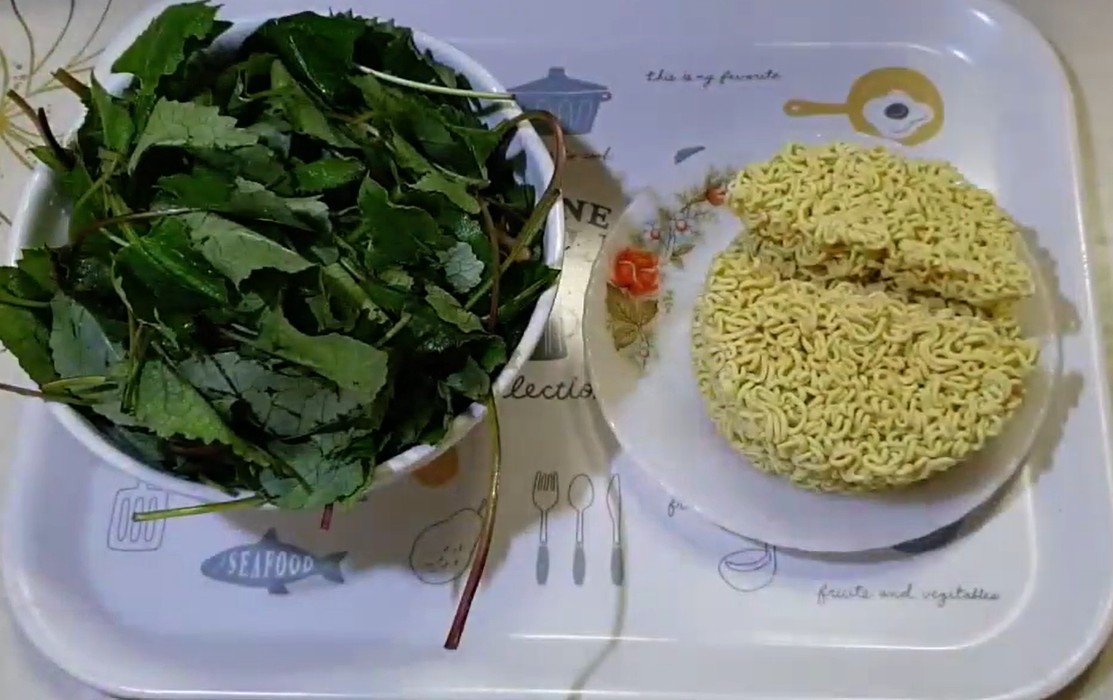
Chwinamul brings more than flavor. It’s rich in dietary fiber to aid digestion, and it contains vitamins A and C, which help fight fatigue and support immunity. Its aromatic compounds stimulate appetite, making it especially helpful when springtime lethargy dulls your hunger. In short, it’s a simple way to make a bowl of ramen feel healthier.
The prep is easy, but a few tips will make a big difference. Don’t add chwinamul raw—always prepare it first. If you’re using dried chwinamul, soak it thoroughly and boil until tender. For fresh chwinamul, blanch it in boiling water for about 1–2 minutes to mellow bitterness and soften rough texture. Rinse in cold water, squeeze out excess moisture, and cut into bite-size lengths.

Cooking the ramen follows the usual steps. Boil water in a pot, add the seasoning to build the base broth, then add the noodles. When the noodles are about halfway cooked, add the chwinamul. If you add it too early, it will wilt and lose aroma; if you add it too late, it won’t meld with the noodles. Dropping it in at the midway point lets it harmonize naturally.
A little garlic or a touch of chili lifts the flavor and complements chwinamul’s aroma, deepening the overall taste. If you like, whisk an egg and stir it in at the end for a silky texture. But to let the green’s scent shine, keep extras minimal rather than piling on ingredients.

There are a few things to watch out for. Because chwinamul can be bitter, improper prep can throw off the whole bowl. If you skip blanching, that bitterness may overpower the ramen’s umami. Also, be sure to squeeze out excess water—if the greens are too wet, the broth can become cloudy and lose its clean taste.
Mind the quantity, too. Too much chwinamul can mask the ramen’s original flavor and make it feel like a vegetable soup; too little and it won’t register. A handful per serving is a good rule of thumb—enough to blend naturally with the noodles.

These days, ramen is more than instant comfort—it’s a base for creative, full meals. Chwinamul ramen fits right into that trend. It adds seasonal flair without extra cost or complicated steps, making it a practical seasonal upgrade.
The real appeal is balance: chwinamul tempers ramen’s sharpness, while the noodles’ savory richness softens the green’s bitterness. Ingredients with different characters come together to create a surprisingly harmonious bowl.
If you want to shake up your spring meals, try adding a handful of chwinamul to your usual ramen. It’s the same comforting dish, finished as a completely different bowl—simple, seasonal, and oddly sophisticated.
Your daily horoscope report! How will your day go?