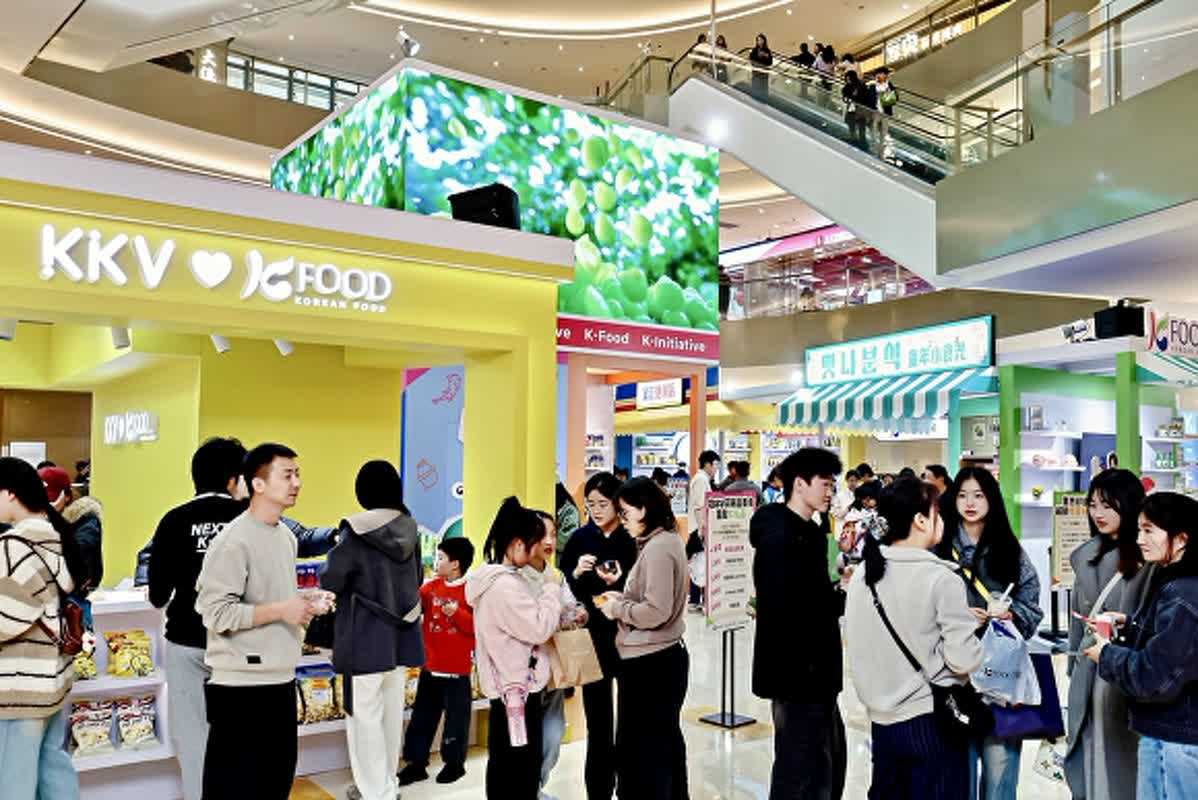
Spring changes what’s on our tables — and this year the switch came faster and hotter than ever.
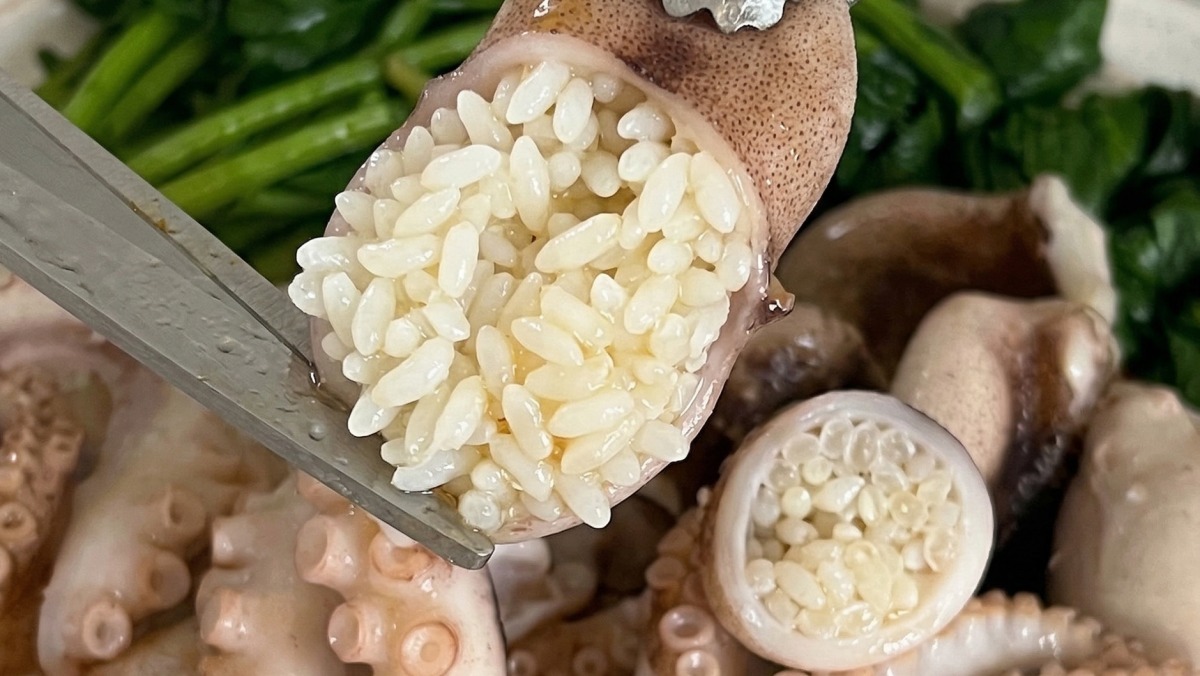
From spring-greens bibimbap to egg-packed jukkumi, seasonal eats have hijacked the feeds of people in their 20s and 30s. What started as a food trend on social media has ballooned into a broader cultural moment. Industry watchers are calling it the “seasonal core.”
The Spark That Started with Spring-Greens Bibimbap
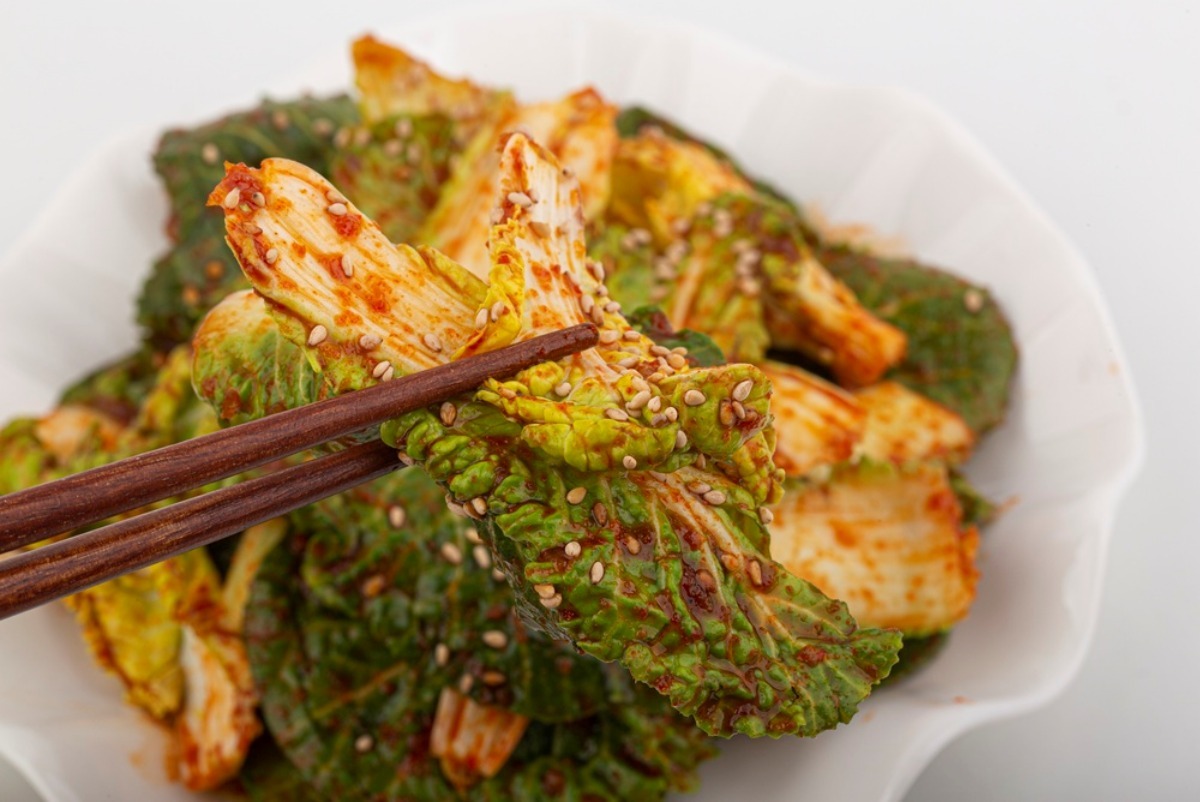
A humble leafy vegetable set off this latest craze. When TV host Kang Ho-dong was shown eating spring-greens bibimbap on a variety show, short clips of the moment were re-cut and spread across platforms. Mentions of spring-greens bibimbap jumped 888% year-on-year, and some supermarket sales climbed more than 37%. The dish is easy to make at home, and the bright green leaves paired with red gochujang and a sheen of sesame oil make for an irresistibly Instagrammable shot — perfect fuel for virality.
Markets reacted fast. According to the Korea Agro-Fisheries & Food Trade Corporation (aT), the wholesale price for a 15kg box of spring greens at Seoul’s Garak Market rose about 33.6% in one month. An official at the Ministry of Agriculture, Food and Rural Affairs said production hadn’t changed significantly, but sudden demand pushed prices up. Retail prices climbed even more: Korea Price Information found the price of a bowl of spring-greens bibimbap rose from 8,000 KRW (about 6 USD) to 12,000 KRW (about 9 USD), roughly a 50% jump.
Food companies moved quickly, too. Daesang’s kimchi brand Jongga launched a seasonal “spring-greens geotjeori” and sold roughly 20,000 units — about 22 tons by weight — in about two months.
Next Up: Egg-Filled Jukkumi — the 'Ju-jjonku' Wave
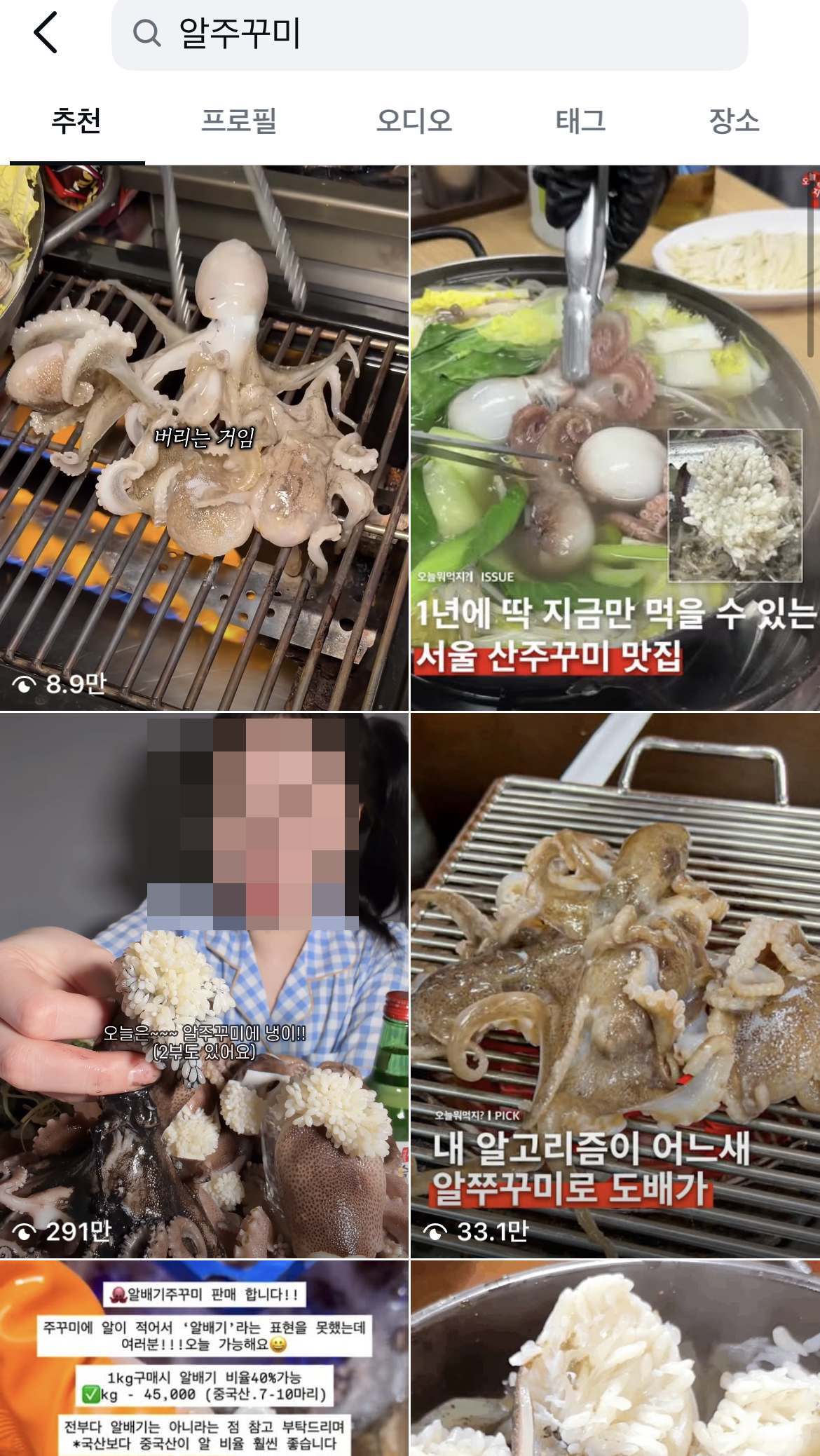
Before the spring-greens hype cooled, another star arrived: egg-filled jukkumi, known as al-jukkumi. On social media it’s already being nicknamed “jujjonku.” The nickname comes from how the tiny, rice-like eggs are nestled beneath the jukkumi’s head, a look people compared to last season’s viral Dubai chewy-cookie trend. Tying it to that earlier craze helped the name spread — some Instagram posts even call it the grown-ups’ version of jjujjonku.
Jukkumi gorge on nutrients before their spring spawning, so they plump up and become chewier in texture during this window. Female jukkumi, with their eggs filling out, gain a richer, nuttier flavor. Framed on social media as a limited-time delicacy, they’re being treated like a seasonal must-eat: delicious now, gone next season.
The Birth of 'Seasonal Core': Buying an Experience, Not Just Food
What ties these moments together is the idea of seasonal core. It describes consuming foods, places, content and events that evoke a particular season. For people in their 20s and 30s, seasonality is less about timing and more about rarity — a “you-must-try-it-now” experience. That fear of missing out fuels purchases and memories in ways simple availability can’t.
The trend fits how young adults shop today. They often favor novelty and concept over specs or bargain-savings, and they’ll pay for something that feels exclusive or playful. Seasonal food is literally nature’s limited edition — it only appears at a certain time, which makes it the perfect stage for concept-driven consumption.
Loss-aversion plays a part, too: the idea that you might have to wait a year to try something again accelerates decisions. Add social-media sharing culture, and eating a seasonal dish becomes content. It’s not just the taste — it’s the post, the photo, the story. The “I ate it” record completes the experience.
Social Media Virality Shakes the Market
Short-form content on social platforms is the engine behind this phenomenon. When a food takes off on social media or YouTube, visit confirmations and review posts flood the feeds and demand spikes quickly. The downside is shorter trend cycles that repeatedly scramble ingredient supply and pricing.
Lee Dong-hoon, head of Korea Price Information, warns that social-media-driven spread of specific foods concentrates short-term demand and raises market volatility. This pattern isn’t limited to seasonal items. After the Dubai chewy-cookie trend, the price of kataifi — its main ingredient — jumped 68.3%, and tanghulu drove a roughly 50% rise in strawberry prices. When a dish goes viral, both raw ingredients and finished-product prices often climb together in a repeating ripple effect.
From Food to a Full Lifestyle Shift
The seasonal-core ripple extends beyond food into fashion and lifestyle. The spring-greens craze influenced apparel: LF increased the share of green-tone items — light green, mint and light yellow-green — across major brands. LF Mall reports searches for “green” rose about 55% year-on-year, and “mint” searches climbed 50% this year. On fashion platform Ably, clothing inspired by seasonal fruits increased by more than 200% in transaction value compared with last year. The seasonal vibe is moving from what we eat to what we wear.
Where past viral foods — like mala or rose-sauce dishes — didn’t care about seasonality, today’s hits often do. Enjoying a seasonal item has become a lifestyle marker in itself.
When spring ends, another seasonal wave will follow: summer corvina, autumn gizzard shad and winter oysters are already waiting on social channels. Seasonal core isn’t going away with the seasons — but both consumers and industry should keep a cool head about how these fads affect ingredient supply and price stability.
Your daily personal horoscope report! How will your day go?