Doenjang—a fermented soybean paste—is a must-have on Korean tables. But let’s be honest: homemade batches often turn overly salty with age, and store-bought jars don’t always match your taste. As doenjang ages, it can lose moisture, concentrate its salt, and even pick up a bitter edge. Before you toss it, try reviving it with a simple, pantry-friendly trick: soybeans.
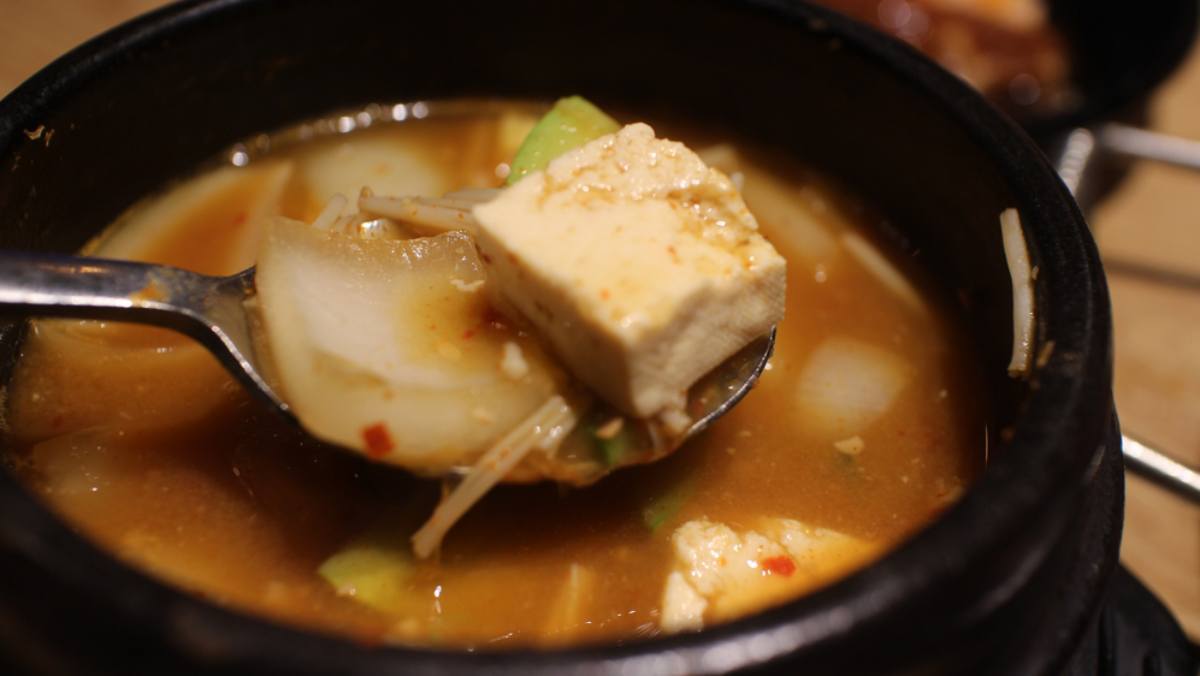
When doenjang gets unbearably salty, the instinct is to add water. But water only thins the paste and washes out the depth of flavor—it doesn’t bring back that rich, fermented taste. It can also increase moisture and create conditions where mold is more likely to form.
Enter raw soybean powder. Made by grinding unroasted soybeans, this powder works wonders when mixed into overly salty doenjang. First, its nutty profile softens the paste’s sharp saltiness. The beans’ natural flavors help balance the salt rather than just diluting it.
Even better, it enhances umami. Fresh soybeans contain compounds that deepen flavor; as the powder melds with the paste, it develops gentle sweetness and richness. When you cook a doenjang stew afterward, the broth will taste fuller and more complex—even without extra seasoning.
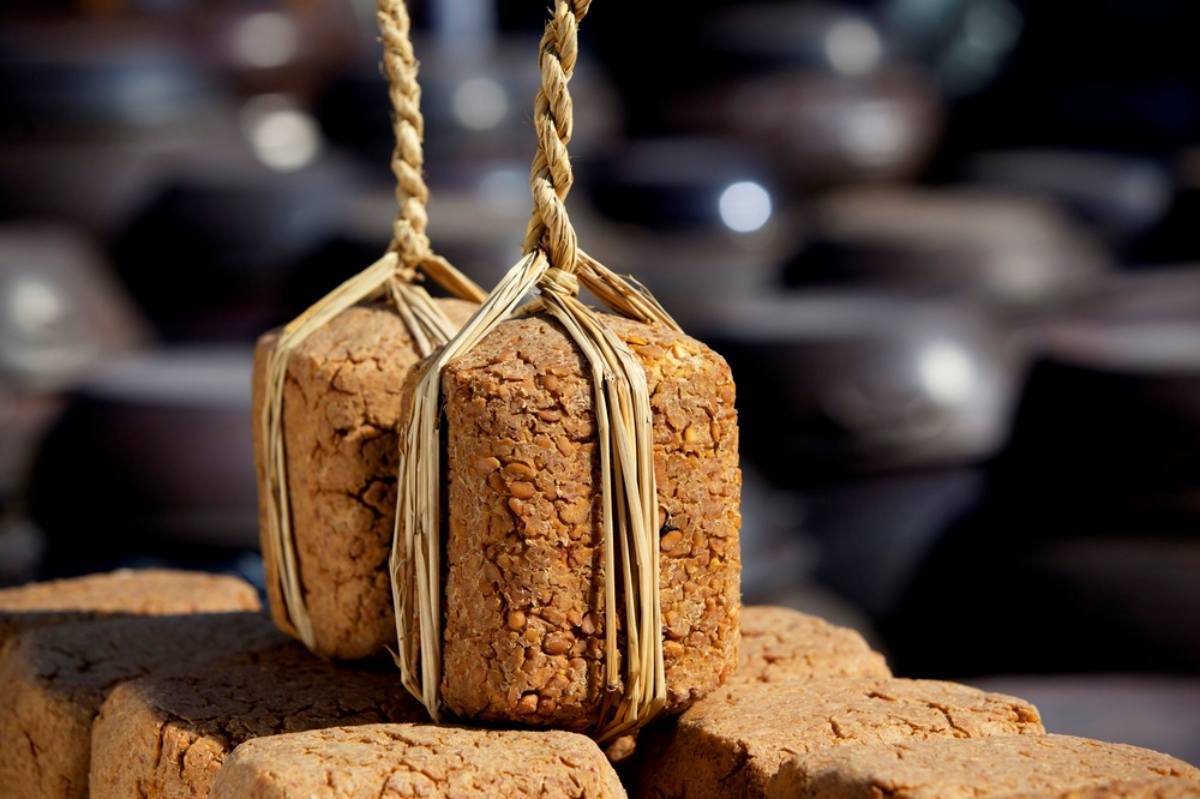
If you don’t have powdered soybeans, boiling meju beans (yellow soybeans) at home is a reliable alternative—this is an old-school fix our ancestors used to rescue bland or overly salty doenjang.
Wash the meju beans well and soak them until softened, then simmer until the skins begin to loosen. Pound the cooked beans in a mortar or blend them into a very smooth paste. Stir this bean paste into your salty doenjang.
Mixing in the bean paste increases the total volume and lowers the overall salt concentration. The cooked beans’ creamy texture and subtle sweetness round out the paste’s harsh edges. After this treatment, the doenjang will look brighter and smell more savory.
When rescuing bad-tasting doenjang, keep a few tips in mind. Don’t dump in powder or paste without adjusting the texture—too much and the mixture can become dry and lumpy. To reach the right consistency, add small amounts of anchovy-and-kelp stock while mixing.
There’s no single correct ratio, but a common guideline is two parts doenjang to one part bean paste. If the paste is extremely salty, add more beans. Knead thoroughly so no lumps remain and the mixture is homogeneous.
Rather than using it immediately, pack the mixture into a jar or container, press it down, and sprinkle a little salt on top. Let it re-ferment in a cool, shaded spot for at least a month so the fresh bean components and the original paste can harmonize and develop proper flavor.
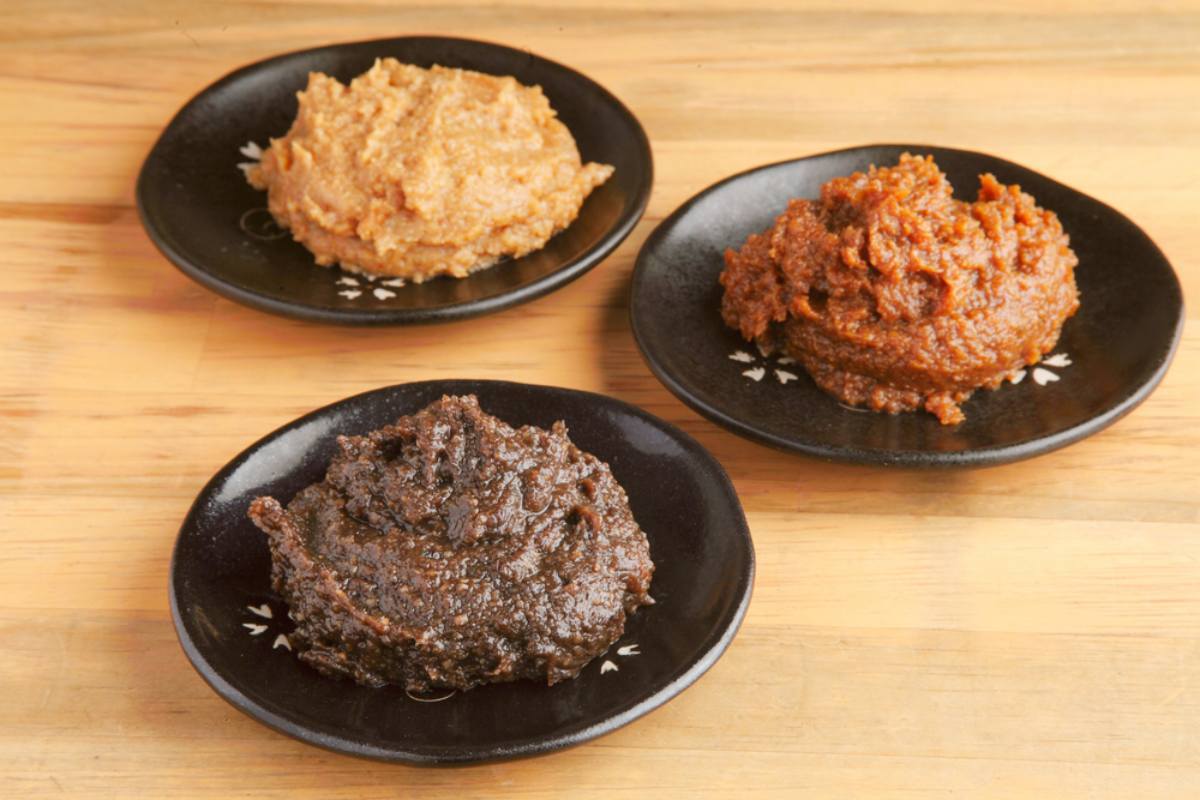
Adding soybean powder or cooked beans does more than improve taste—it also boosts nutrition. Doenjang is already a fermented soybean product, and fresh bean nutrients further enrich its healthful profile.
This trick is particularly handy for anyone watching their salt intake. You can enjoy a bowl of doenjang stew while consuming less salt overall. In households with kids, mellowing the strong flavor and highlighting the nutty notes can make doenjang dishes more kid-friendly.
The refreshed paste holds more moisture than the original, so store it with care. Cover the surface with plastic wrap or place a piece of gim (dried seaweed) or perilla leaves on top to limit air exposure and help prevent mold.
Doenjang with added soybean powder tends to mature faster than plain paste. In very warm conditions it can turn sour quickly, so keep it in a cool spot or the refrigerator.
If a jar of doenjang is too salty to touch or too flat to serve, don’t toss it—grab some soybean powder and bring it back to life today.
Get your daily horoscope report! How’s your day shaping up?