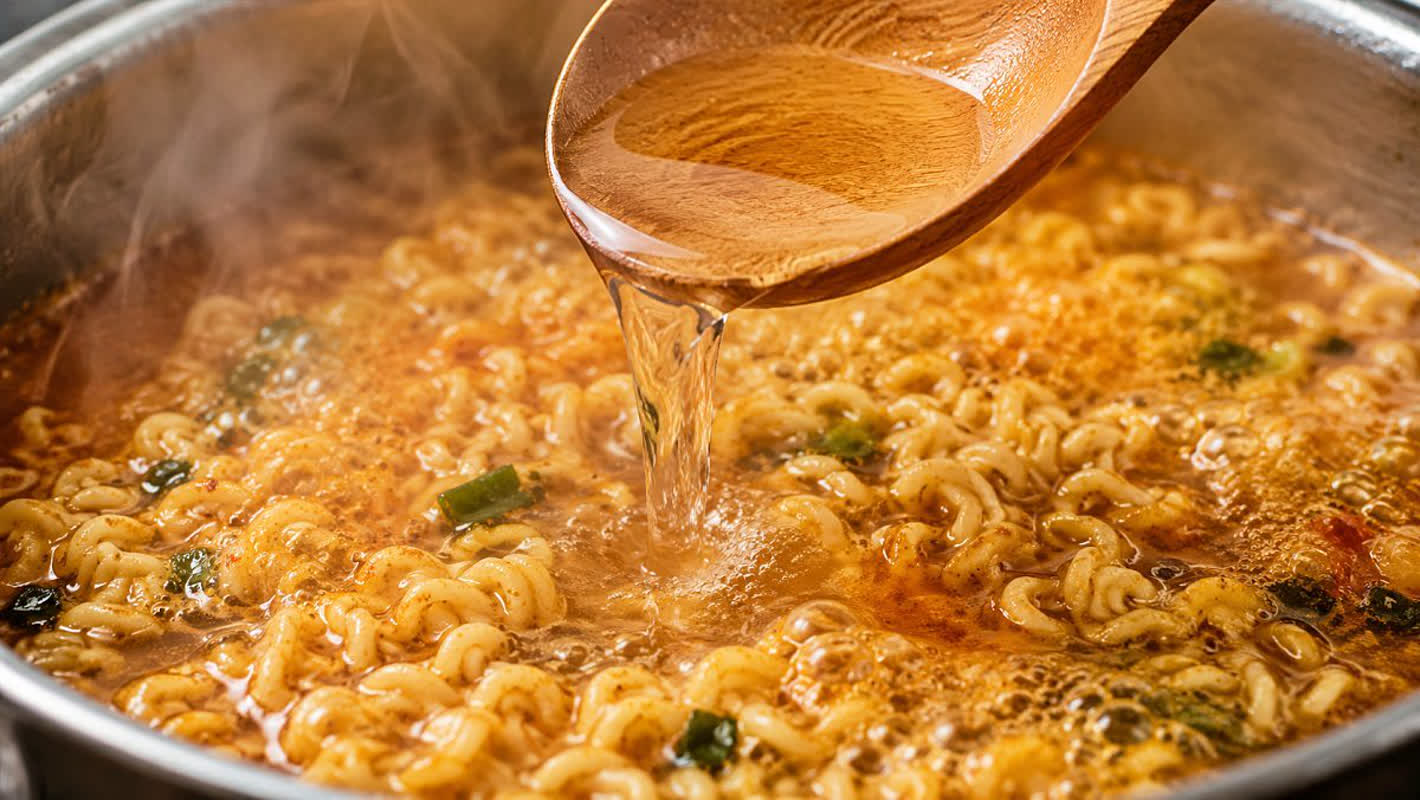
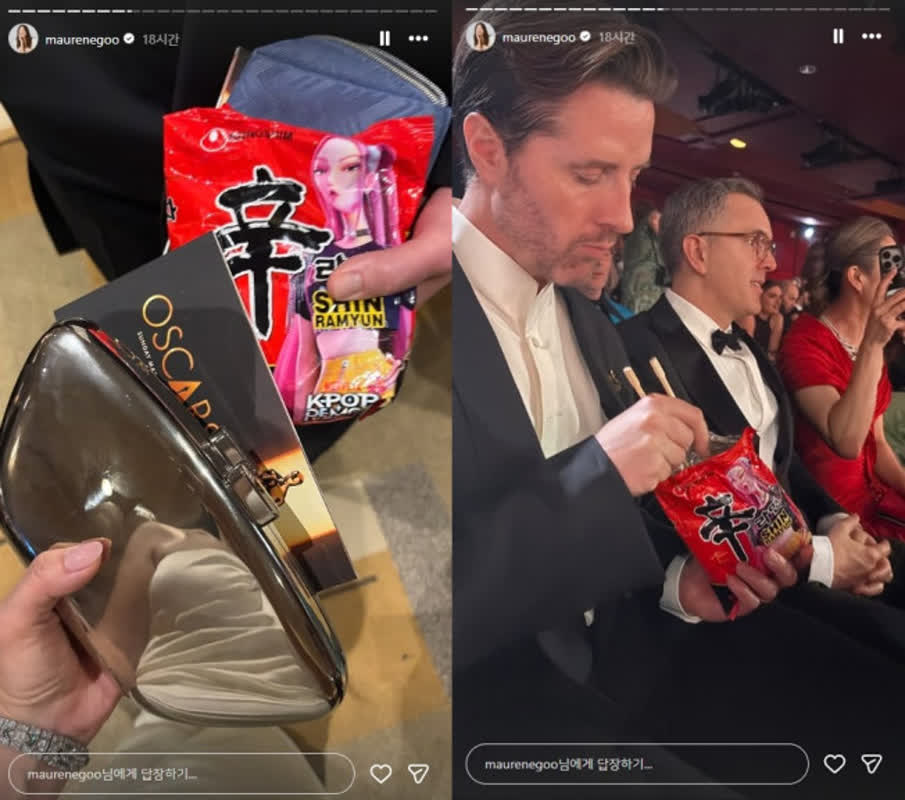
[Anchor] A Korean-style spicy flavor craze is sweeping Japan — a country long celebrated as the instant-ramen capital. What used to feel foreign to many Japanese diners has turned into a food trend they’re eager to try. Han Ji-yi reports from Tokyo. [Reporter] In Harajuku, Tokyo’s trend hub, a ramen pop-up is drawing crowds. Teens and twenty-somethings have spread the word, making the hands-on “Hangang ramen” experience — where visitors cook Korean ramen themselves — a must-try. The shop, which opened last year, draws about 10,000 visitors a month and averages roughly 5,000 sales monthly. Mami Toyama / Tokyo, Japan: I used to watch Korean dramas with lots of ramen scenes, and it made me want to try it. It’s chewier than Japanese ramen and really delicious. Japan is a global powerhouse for instant ramen, with an annual market worth about 7 trillion KRW (approximately 5.25 billion USD). More than 1,000 new products debut each year — and many disappear just as fast. Competition is fierce, and once a product falls off the shelves, it’s tough to get back in. Spicy ramen makes up only about 6% of the market, but Japanese companies have been rolling out their own spicy launches lately, turning up the heat on competition. Daeha Kim / Managing Director, Nongshim Japan: We focused on planting the brand and kept offering a flavor that wasn’t available here, so people began to recognize this spiciness. On average, we’ve seen about 18% annual growth. Experts say the trend has moved beyond product sales into a culture of experiencing Korean-style heat. At the Tokyo Expo pop-up, visitors crowded the space to try Korean ramen. Spicy-eating challenges, photo zones and tasting events have been especially popular. Ayaka / Saitama Prefecture: I deal with a lot of stress, so eating spicy food helps me let off steam. The flavor is a little different from Japanese ramen. Since March, the brand has expanded local partnerships, including a collaboration menu with the popular Fuji-Q Highland amusement park, widening touchpoints with Japanese consumers. As the K-spice craze continues, Korean ramen is carving out a bigger place in the global food market. Han Ji-yi, Yonhap News TV, Tokyo. Video editing by Sim Ji-mi. For Yonhap News TV story inquiries and tips: KakaoTalk/LINE jebo23 Han Ji-yi (hanji@yna.co.kr)
Korean vs. Japanese Ramen: Which Spicy Flavor Reigns Supreme in 2026?
Han Ji-i | 2026.04.20
[Anchor] A Korean-style spicy flavor craze is sweeping Japan — a country long celebrated as the instant-ramen capital. What used to feel foreign to many Japanese diners has turned into a food trend they’re eager to try. Han Ji-yi reports from Tokyo. [Reporter] In Harajuku, Tokyo’s trend hub, a ramen pop-up is drawing crowds. Teens and twenty-somethings have spread the word, making the hands-on “Hangang ramen” experience — where visitors cook Korean ramen themselves — a must-try. The shop, which opened last year, draws about 10,000 visitors a month and averages roughly 5,000 sales monthly. Mami Toyama / Tokyo, Japan: I used to watch Korean dramas with lots of ramen scenes, and it made me want to try it. It’s chewier than Japanese ramen and really delicious. Japan is a global powerhouse for instant ramen, with an annual market worth about 7 trillion KRW (approximately 5.25 billion USD). More than 1,000 new products debut each year — and many disappear just as fast. Competition is fierce, and once a product falls off the shelves, it’s tough to get back in. Spicy ramen makes up only about 6% of the market, but Japanese companies have been rolling out their own spicy launches lately, turning up the heat on competition. Daeha Kim / Managing Director, Nongshim Japan: We focused on planting the brand and kept offering a flavor that wasn’t available here, so people began to recognize this spiciness. On average, we’ve seen about 18% annual growth. Experts say the trend has moved beyond product sales into a culture of experiencing Korean-style heat. At the Tokyo Expo pop-up, visitors crowded the space to try Korean ramen. Spicy-eating challenges, photo zones and tasting events have been especially popular. Ayaka / Saitama Prefecture: I deal with a lot of stress, so eating spicy food helps me let off steam. The flavor is a little different from Japanese ramen. Since March, the brand has expanded local partnerships, including a collaboration menu with the popular Fuji-Q Highland amusement park, widening touchpoints with Japanese consumers. As the K-spice craze continues, Korean ramen is carving out a bigger place in the global food market. Han Ji-yi, Yonhap News TV, Tokyo. Video editing by Sim Ji-mi. For Yonhap News TV story inquiries and tips: KakaoTalk/LINE jebo23 Han Ji-yi (hanji@yna.co.kr)

Recommended Posts
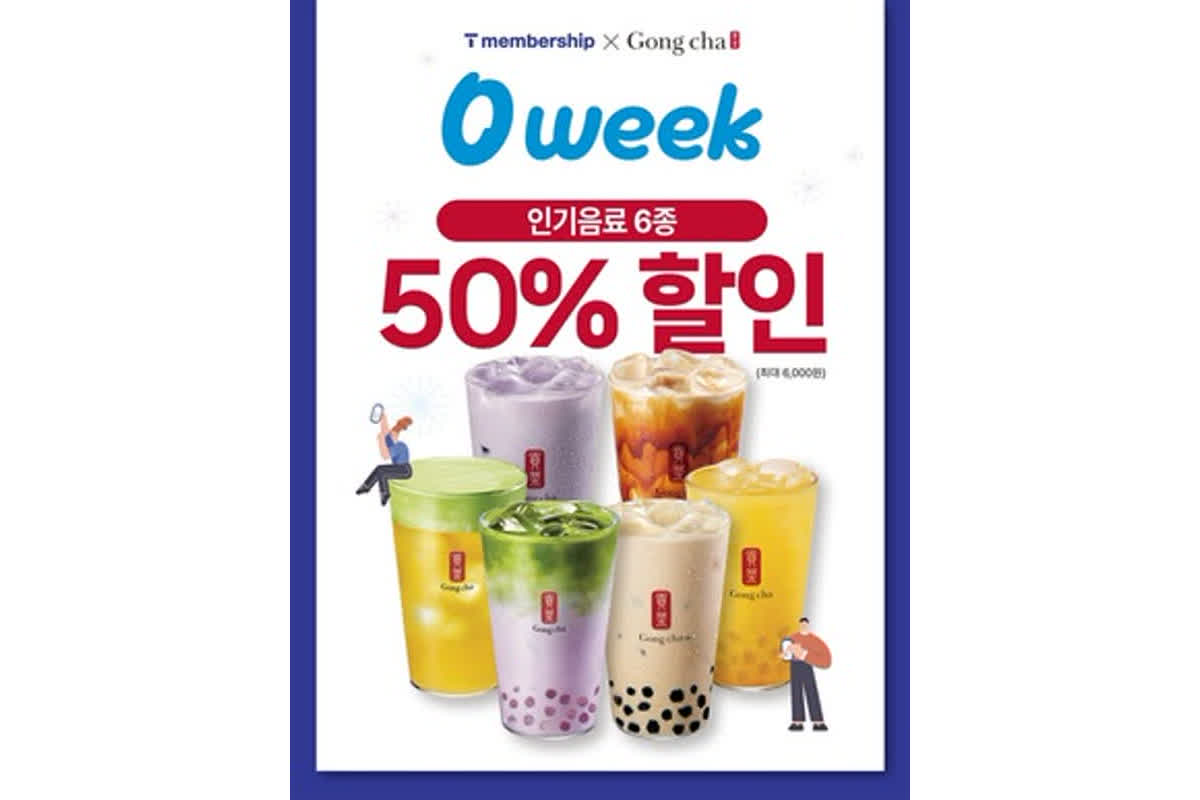
Unlock 30% Off: 공차코리아's Exclusive Spring Promotions with 신한카드 and 현대카드
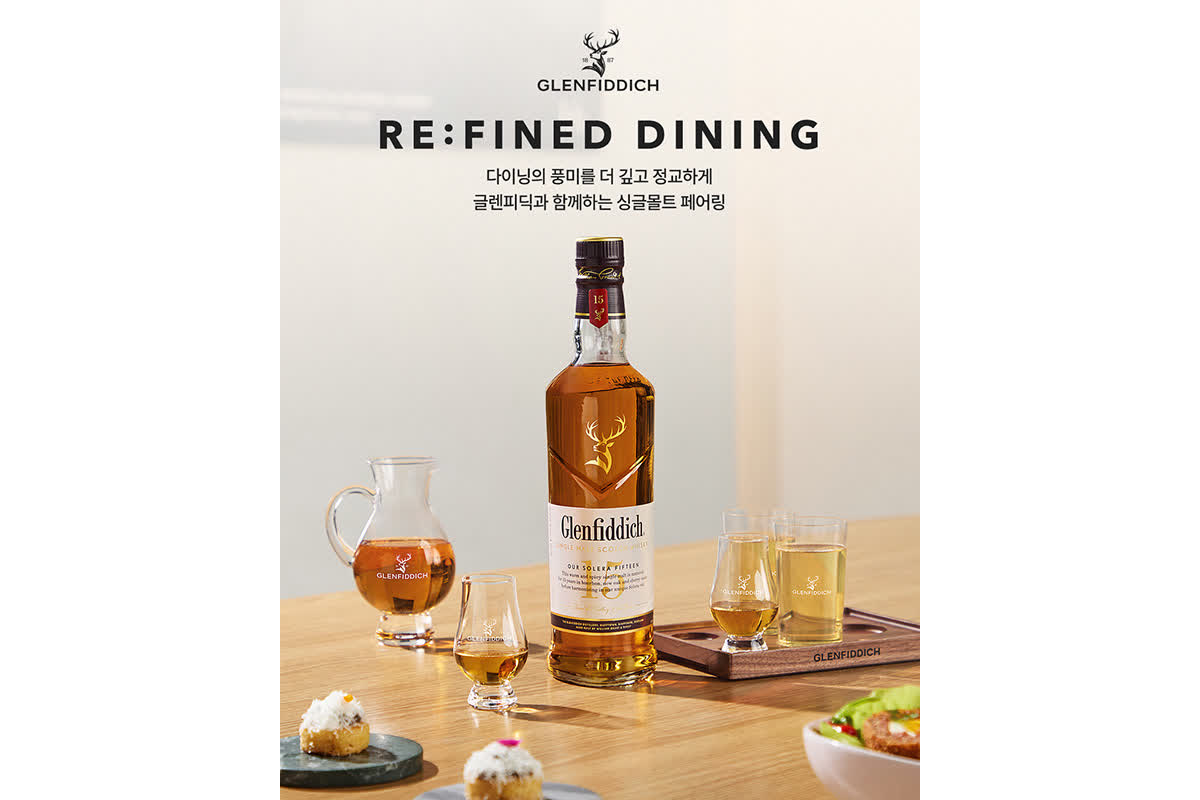
Glenfiddich Launches RE:FINED DINING Campaign: Elevate Your Whiskey Experience with Food Pairings
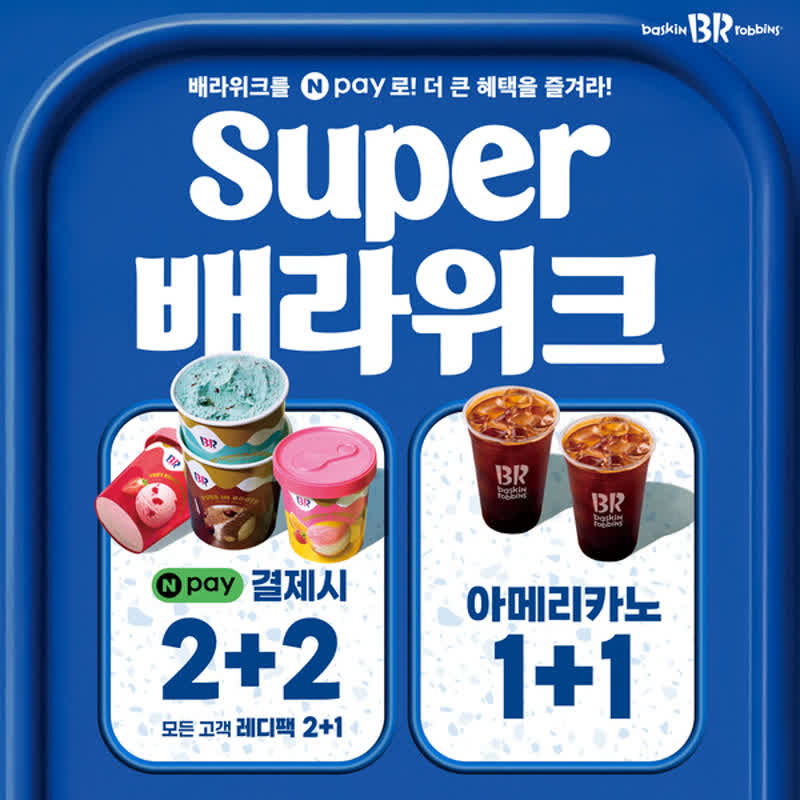
March Super Baskin Week: Get 2+2 Ready Packs with Naver Pay!

How Lee Sang-hoon is Making a Difference: 20 Million Won Donation to Children's Hospital
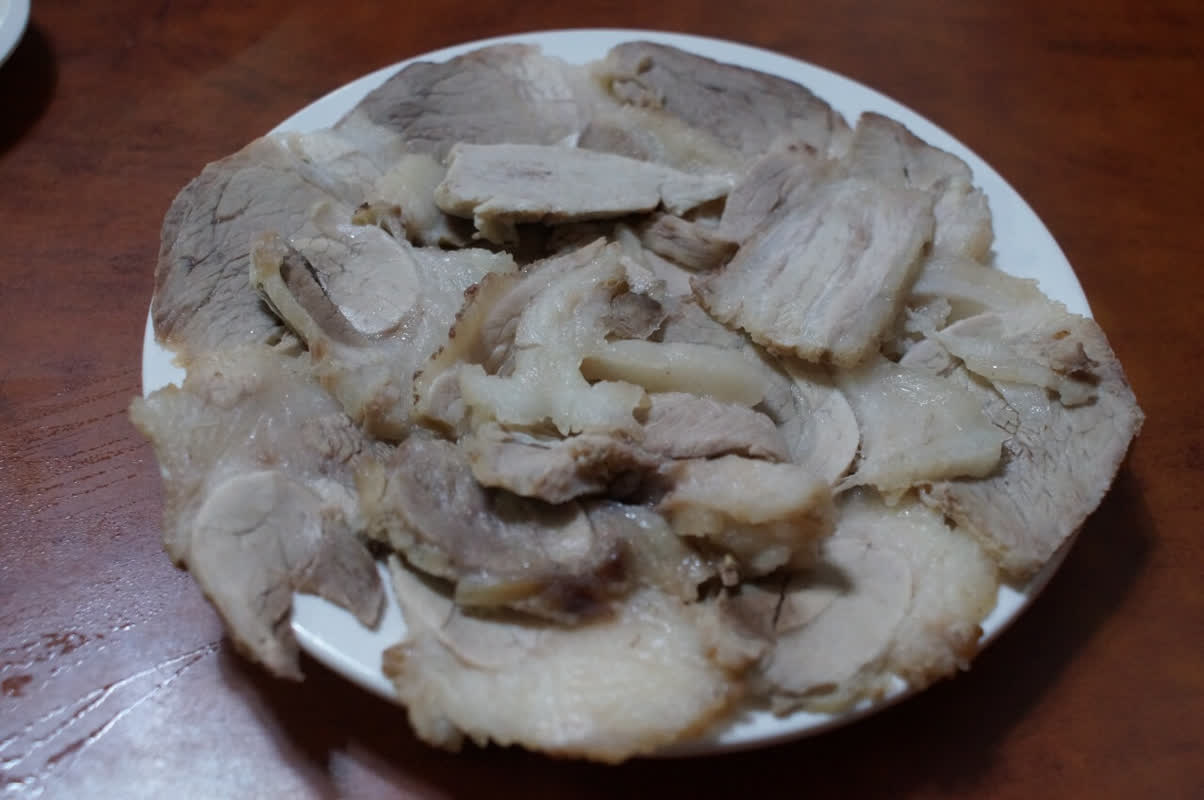
Top 5 Must-Try Su-Yuk Restaurants in Korea: A Culinary Journey
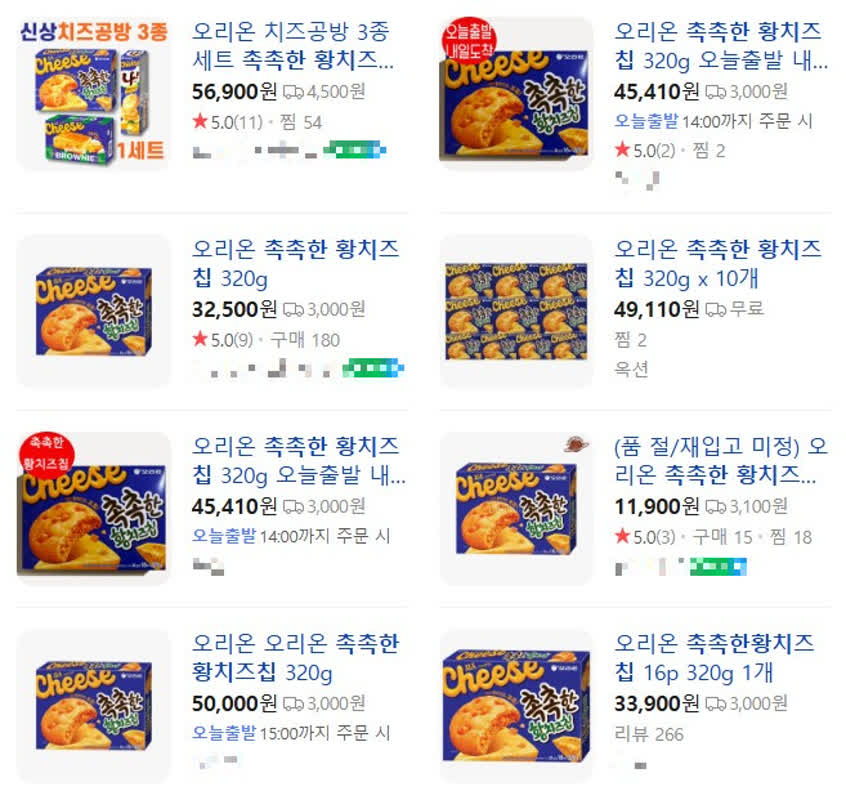
Why Orion's Limited Edition 'Moist Yellow Cheese Chips' Are Selling for Up to 10x the Original Price!
Latest Popular Posts
Real-time TOP