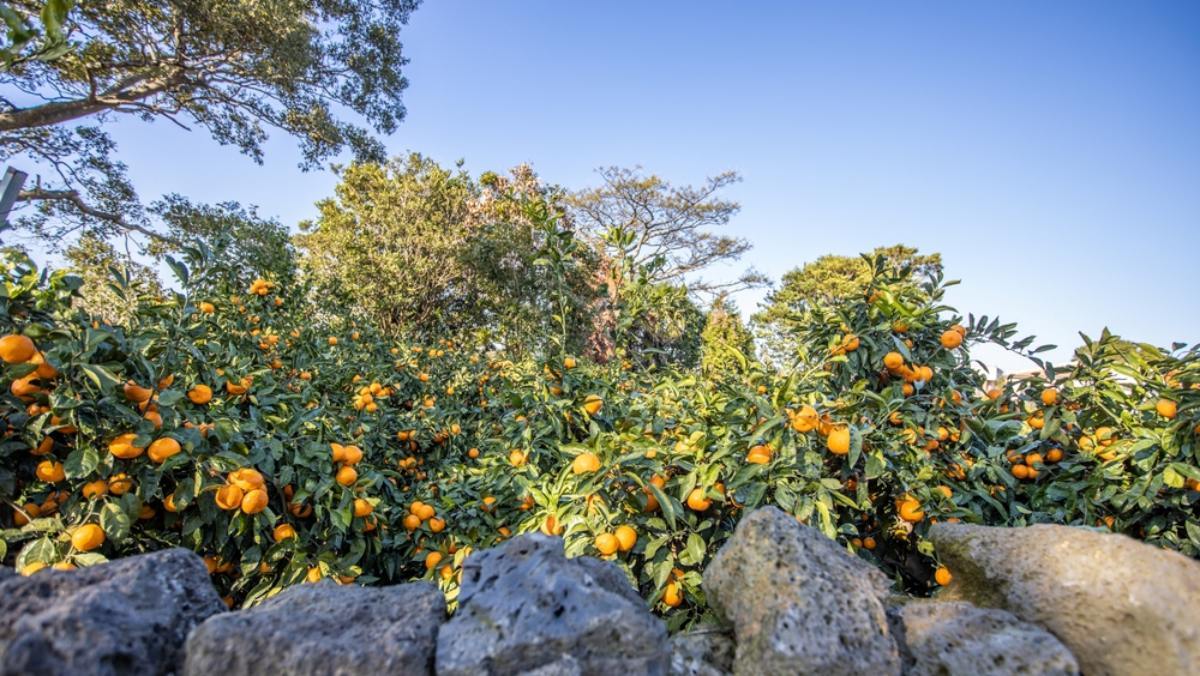
This June, Jeju turns into a celebration of food and culture. Now in its 11th year, the Jeju Food & Wine Festival (JFWF 2026) is running under the slogan “Back to the Essence.” The festival began in May and culminates with headline events in Seogwipo on June 12 and 13.
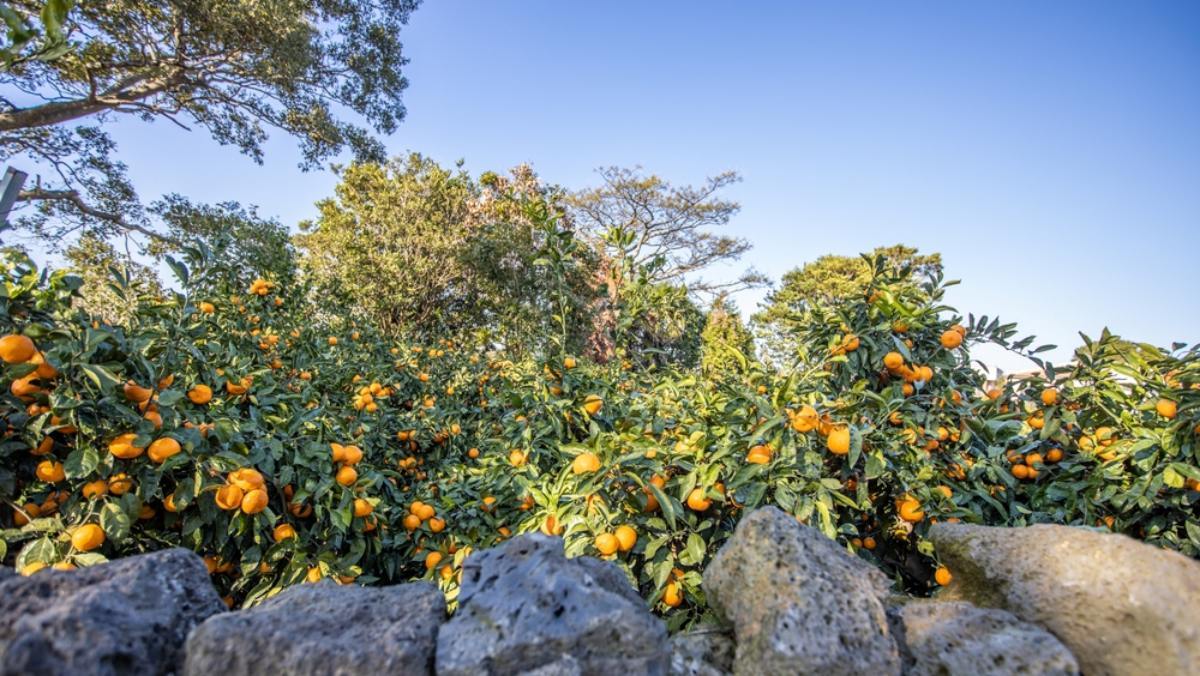
“MOVIE FOO-VIE” in Bonte Museum’s outdoor garden
On Friday, June 12, from 3 p.m. to 6 p.m., the festival presents “MOVIE FOO-VIE” in the outdoor garden of the Bonte Museum in Andeok‑myeon, Seogwipo. The venue at 69 Sanam‑ro 762beon‑gil sits inside a Tadao Ando–designed building. Culinary films will screen outdoors with Mount Sanbang serving as a dramatic backdrop.
Guests are encouraged to time their viewing with the sunset, sampling dishes and premium wines featured on screen. The idea is to pair visual storytelling with real flavors so you can literally taste a film’s lingering moments. It’s an evening that blends Jeju’s natural beauty with striking architecture.
“JEJU TASTING” on a 150-year-old fishing-village site
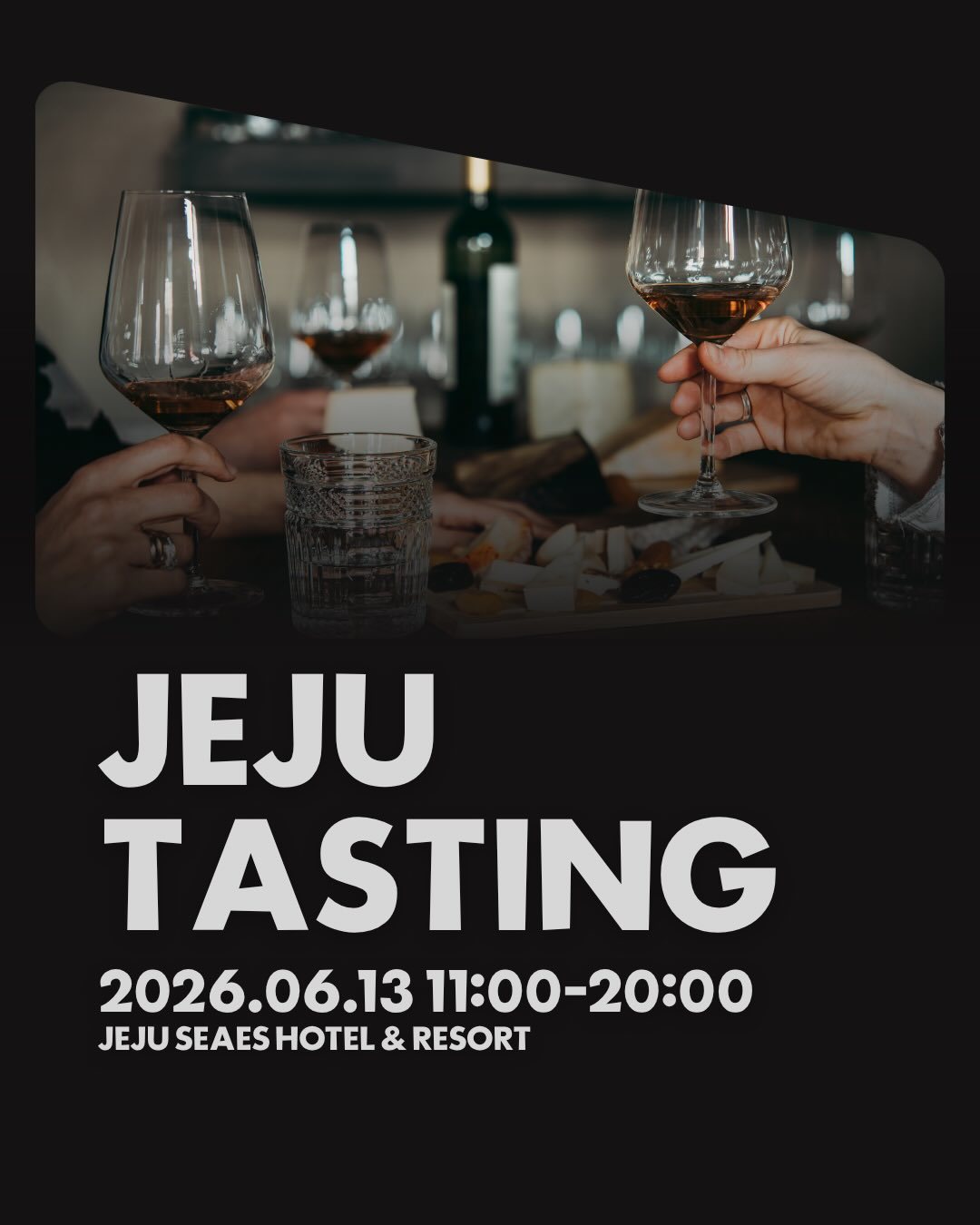
On the festival’s final day, Saturday, June 13, “JEJU TASTING” takes place at CS Hotel & Resort. From 11 a.m. to 8 p.m., the sea‑view hotel at 198 Jungmun Tourist Road, Seogwipo, hosts the event on grounds that preserve a 150‑year‑old fishing‑village site.
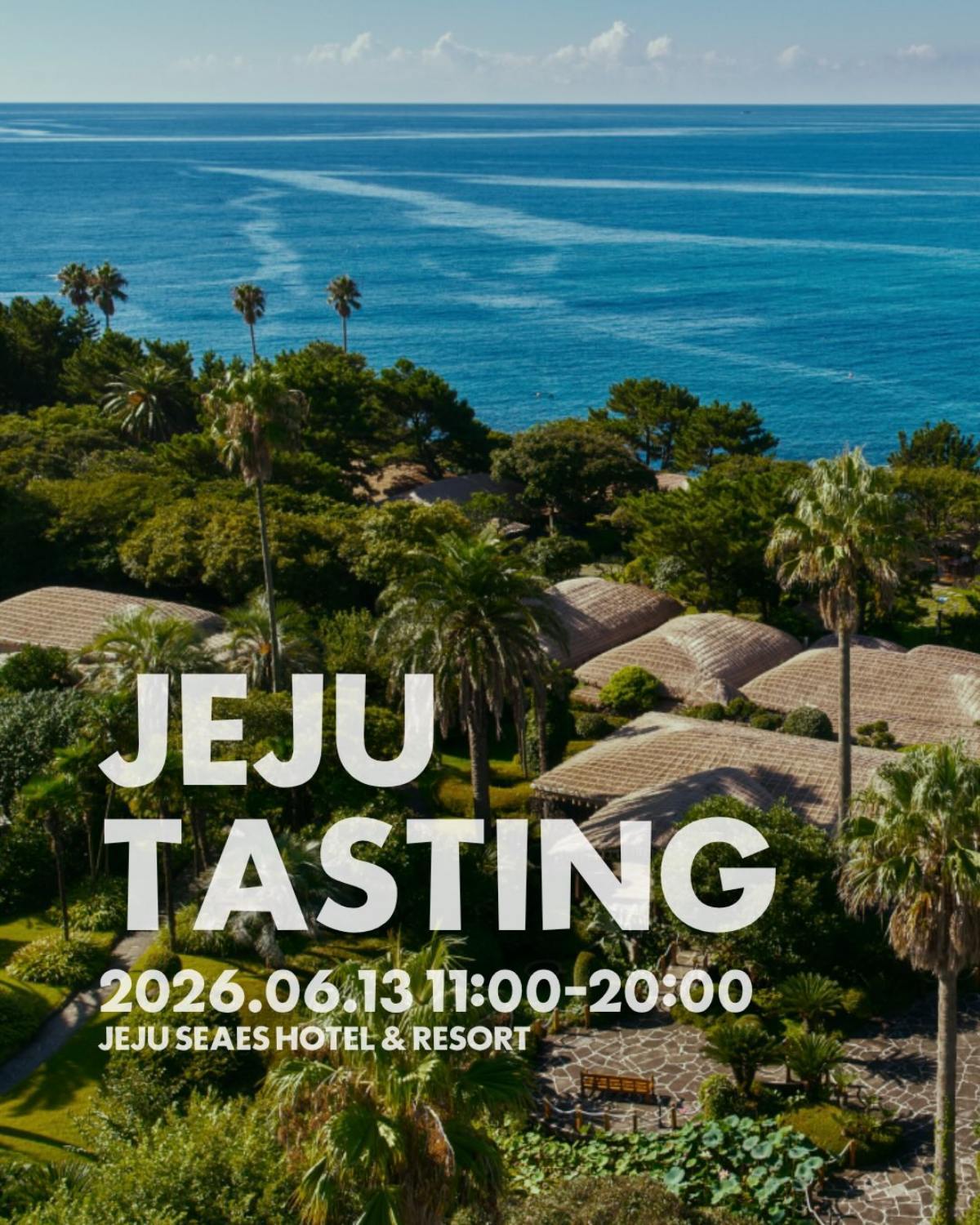
Expect about 100 wines from around the world alongside Jeju’s traditional spirits like Suloreum and Ishibo, plus craft beers such as Tamna Ale. You’ll also find the Jeju highball “Hallatan” and tapas from the island’s gourmet restaurants. Live seaside performances keep the vibe lively, so your palate and your ears are entertained all day.
Collaboration between 20 star chefs and culinary students
About 20 top chefs from Korea and abroad will reinterpret Jeju’s pristine ingredients. The lineup includes Kwon Woo‑jung (Kwon Sooksoo), Kim Do‑yoon (Yoon Seoul), Eom Tae‑jun (Solbam), Seong Si‑woo (Regum), Lee Chung‑hoo (Zero Complex), Jung Ho‑young (Caden) and Edward Kwon (Lab 24).
Students from Jeju Halla University’s culinary department will team up with the star chefs for hands‑on experience, part of the festival’s educational mission to nurture talent. A portion of the proceeds will fund scholarships for professionals in the local foodservice industry. Tickets are available through the official website (jfwf.kr) and via Naver.
Jeju is evolving from a scenery-first destination into a global culinary city. What was once known mainly for black pork and tangerines is expanding into fine dining that highlights pristine local ingredients, modernized regional dishes, and an emerging local spirits scene. The Jeju Tourism Organization’s annual “Jeju Food Curation” has become a key reason visitors—both domestic and international—put the island on their must-visit list.
Pristine ingredients meet global masters... surge in high-end dining
The island’s culinary upgrade has accelerated around luxury hotels and large resort complexes. Jeju Dream Tower, Shinhwa World and Parnas Jeju have recruited world‑class chefs who reinterpret Jeju abalone, tilefish and bracken with Western techniques. By 2026, Jeju hosts more than 40 restaurants that reach Michelin Guide–level standards.
More than pricey menus, what stands out is a firmly rooted farm‑to‑table culture that traces ingredients back to their farms and producers. Restaurants that transform seafood hand‑harvested by haenyeo (female divers) into modern tasting menus now cluster around Gujwa‑eup and Seongsan‑eup, drawing serious food lovers. To boost confidence in gourmet tourism, Jeju’s local government runs certification initiatives such as “Jeju Gourmet Week.”
Traditional spirits meet mixology... the birthplace of “K-liqueur”
Jeju’s beverage scene has become a cornerstone of its culinary identity. Beyond Halla‑san soju, distillers produce buckwheat-based spirits, craft gin made from tangerine peel, and premium versions of Udo peanut makgeolli. A highball trend using Jeju lemons and local herbs—aimed at people in their 20s and 30s—has spawned cocktail bars along the Hyeopjae and Aewol coastal roads.
Local spirits have grown in tandem with international events like JFWF. Sommeliers from around the world taste Jeju’s traditional drinks and experiment with pairings, helping these beverages evolve into globally competitive “K-liqueur.” The pairing of drinks and food is a major factor in encouraging visitors to stay longer.
Jeju’s unique culinary edge is rooted in haenyeo storytelling. The UNESCO‑recognized haenyeo bring up freshly caught conch and sea urchins that serve as powerful tourism draws. Recently, haenyeo-run “Haenyeo’s Houses” have upgraded with modern interiors and sanitary facilities, turning them into high‑value dining destinations.
To preserve haenyeo food culture while turning it into an immersive attraction, Jeju runs “haenyeo gourmet tours.” These experiences go beyond a meal, offering insight into haenyeo life and the island’s marine ecosystem. International food critics now call Jeju “the San Sebastián of Asia,” a nod to how the island has refined its rugged food culture into one of the world’s most sophisticated culinary destinations.