Buckwheat once served as an essential emergency crop for our ancestors during famines. Lately, though, it’s gotten a modern makeover as a nutrient-dense, gluten-free ingredient.
According to the Rural Development Administration’s Highland Agriculture Research Institute, there are about 20 known buckwheat varieties. They’re generally classified as common buckwheat and bitter buckwheat — and the bitter kind wins on nutrition. It’s rich in rutin, a functional compound that supports vascular health. RDA data show common buckwheat contains roughly 10–20 mg of rutin per 100 g (3.53 oz), while bitter buckwheat contains more than 100 mg per 100 g (3.53 oz). That means bitter buckwheat can have 50 to 100 times the rutin of ordinary buckwheat.
One standout domestic variety, “Hwanggeummiso,” clocks in at 1,586 mg of rutin per 100 g (3.53 oz) — far higher than older varieties and a clear functional-food contender.
Rutin is a flavonoid antioxidant that helps strengthen capillaries. It also plays a role in blood pressure regulation and has anti-inflammatory properties. That said, very high intakes can sometimes cause stomach upset, so moderation is recommended.
Bitter buckwheat also packs other polyphenols like quercetin and offers more protein — about 18% versus roughly 13% in common buckwheat. Those qualities help explain why bitter buckwheat is being embraced as a functional ingredient, not just another grain.
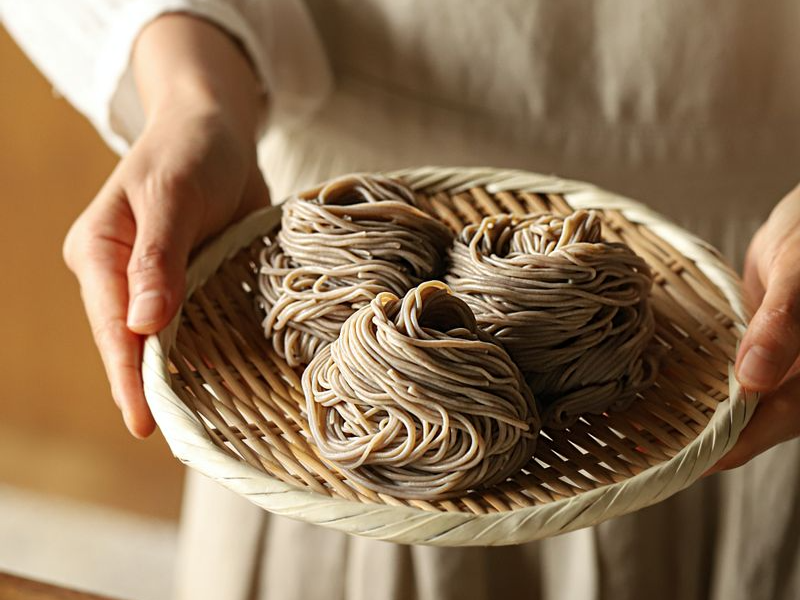
You can find bitter buckwheat flour, bitter buckwheat tea, and bitter buckwheat noodles at health-food shops or online. If the bitterness feels strong, start by mixing it with regular buckwheat flour.

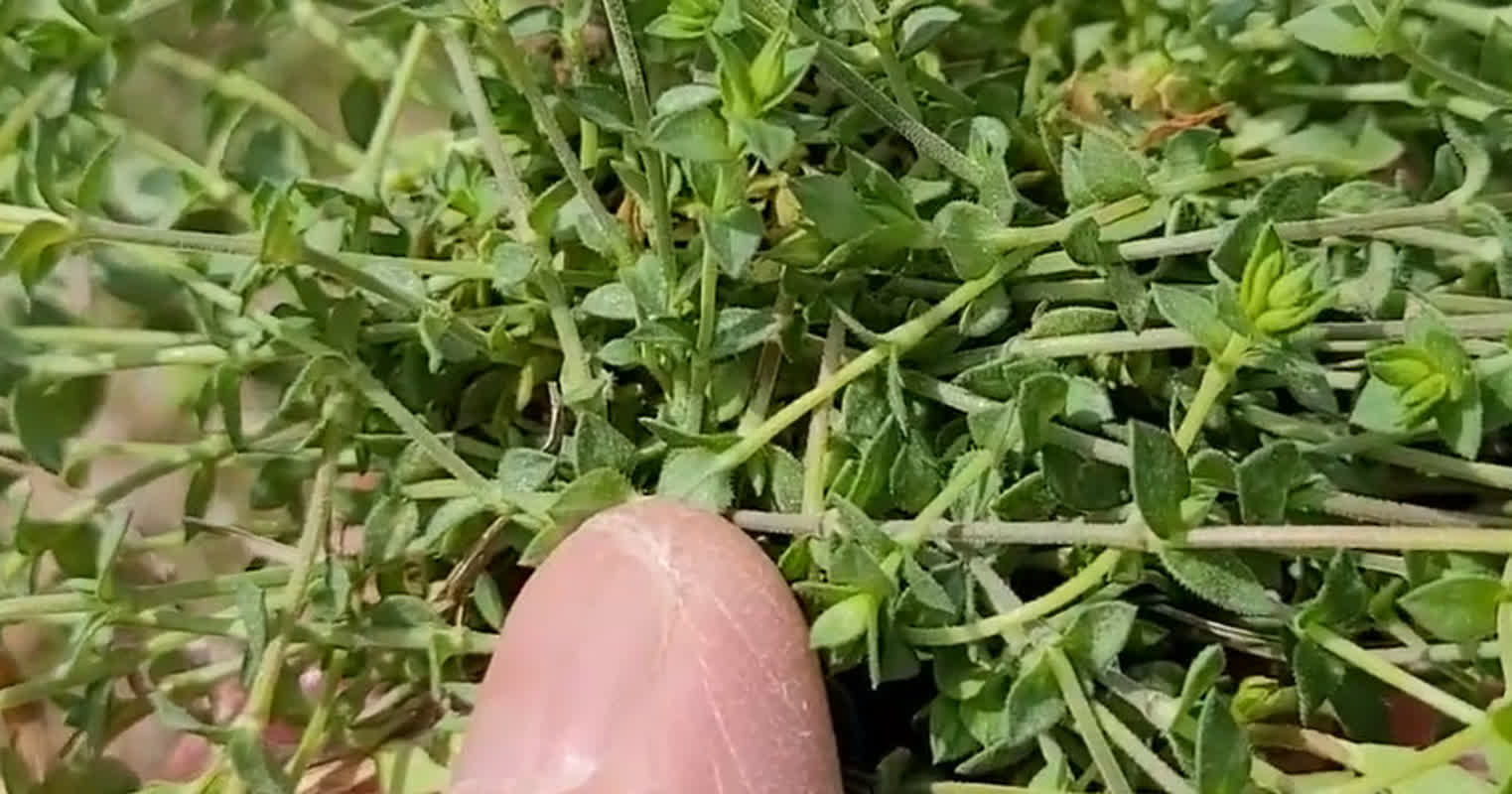
For example, bibim noodles made with spring cabbage combine the cabbage’s vitamin C with buckwheat’s iron, increasing iron absorption by two to three times. Buckwheat noodles with shepherd’s purse pair the purse’s beta-carotene with buckwheat’s rutin to enhance vascular benefits. And when you eat buckwheat with aralia shoots, the shoots’ saponins plus buckwheat’s polyphenols offer promising anti-inflammatory effects.
One easy recipe to try at home is spring-cabbage buckwheat pancakes. Put 3 tablespoons (about 45 mL / 1.5 fl oz) of buckwheat flour and the spring cabbage in a resealable plastic bag and shake lightly so the leaves get a thin coating. Shake off any excess flour so the pancakes won’t become too thick. Add 2 more tablespoons (about 30 mL / 1.0 fl oz) of buckwheat flour to the reserved flour, then mix in 10 mL (0.34 fl oz) of kanari aekjeot (salted anchovy sauce) and water to make a batter. Dip the cabbage into the batter, let the excess drip off, and pan-fry in vegetable oil until golden.