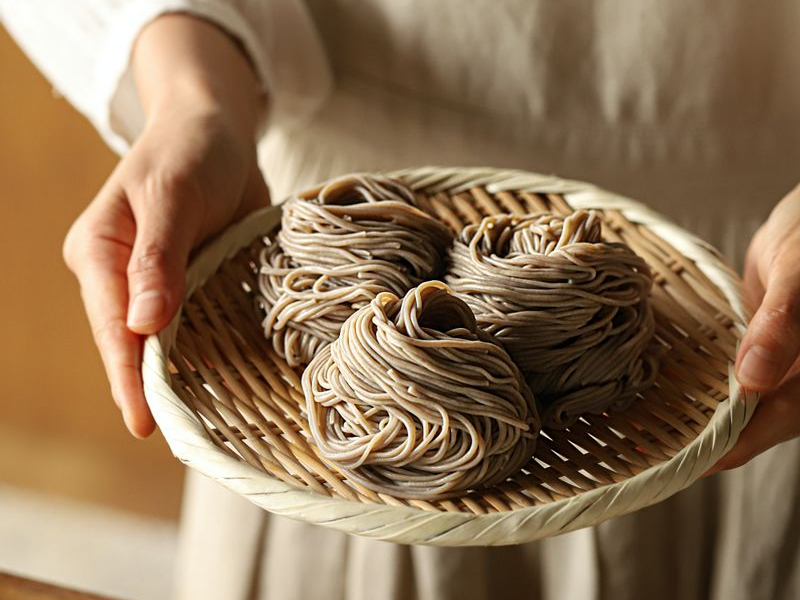
Buckwheat was once an essential emergency crop for generations facing famine or food shortages. These days, it’s enjoying a comeback as a nutrient-dense, gluten-free pantry staple.
The Rural Development Administration’s Highland Agricultural Research Institute says there are roughly 20 known buckwheat varieties. They’re broadly categorized as common buckwheat and bitter buckwheat, and the bitter kind stands out nutritionally. It’s high in rutin, a compound that supports vascular health. The RDA lists rutin in common buckwheat at about 10–20 mg per 100 g (about 3.53 oz), while bitter buckwheat is at least 100 mg per 100 g (about 3.53 oz) — the agency notes that’s roughly 50 to 100 times more than common buckwheat.
One standout domestic cultivar, called 'Hwanggeummiso,' contains an impressive 1,586 mg of rutin per 100 g (about 3.53 oz), making it far more functional than older varieties.
Rutin belongs to a class of flavonoid antioxidants that help strengthen capillaries. It also plays a role in blood pressure regulation and has anti-inflammatory effects. That said, very high intakes can occasionally cause stomach upset, so moderation is recommended.
Beyond rutin, bitter buckwheat is packed with polyphenols like quercetin. And while common buckwheat has around 13% protein, bitter buckwheat clocks in at roughly 18% — another reason it’s valued as a functional food rather than just a grain.
You’ll find bitter buckwheat products — flour, tea, and noodles — at specialty health-food shops and online. If the bitterness is strong at first, try mixing it with regular buckwheat flour.
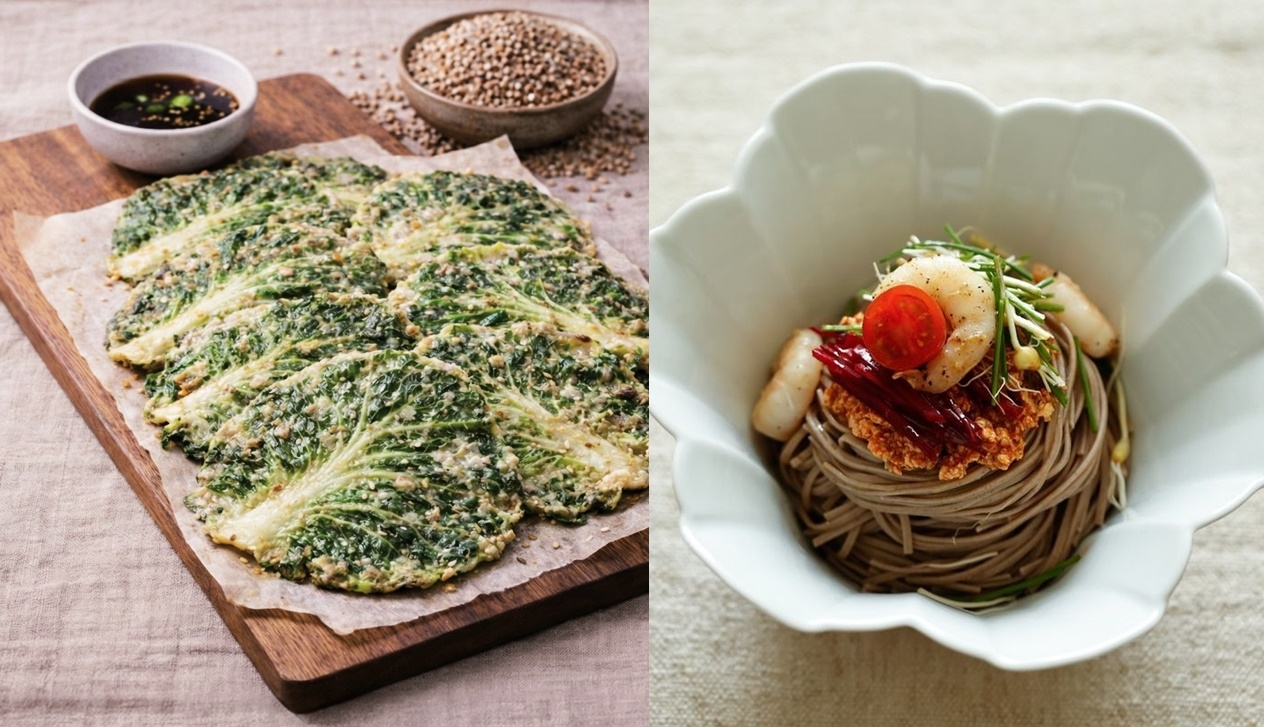
For example, adding bomdong to buckwheat bibim noodles pairs the cabbage’s vitamin C with buckwheat’s iron, which can increase iron absorption two to three times. Buckwheat noodles with shepherd’s purse combine beta-carotene with rutin to support vascular health. And when you eat buckwheat with aralia shoots, the shoots’ saponins plus buckwheat polyphenols may deliver anti-inflammatory benefits.
One easy recipe to try at home is bomdong buckwheat pancakes. Put 3 tablespoons of buckwheat flour and chopped bomdong into a plastic bag and shake gently so the greens get lightly coated. Tap off excess flour so the pancakes stay thin. To the remaining flour, add 2 more tablespoons of buckwheat flour, 10 ml (about 0.34 fl oz) of kanari (anchovy) fish sauce, and enough water to make a batter. Dip the bomdong in the batter, let excess drip off, and pan-fry in a little oil until golden brown.