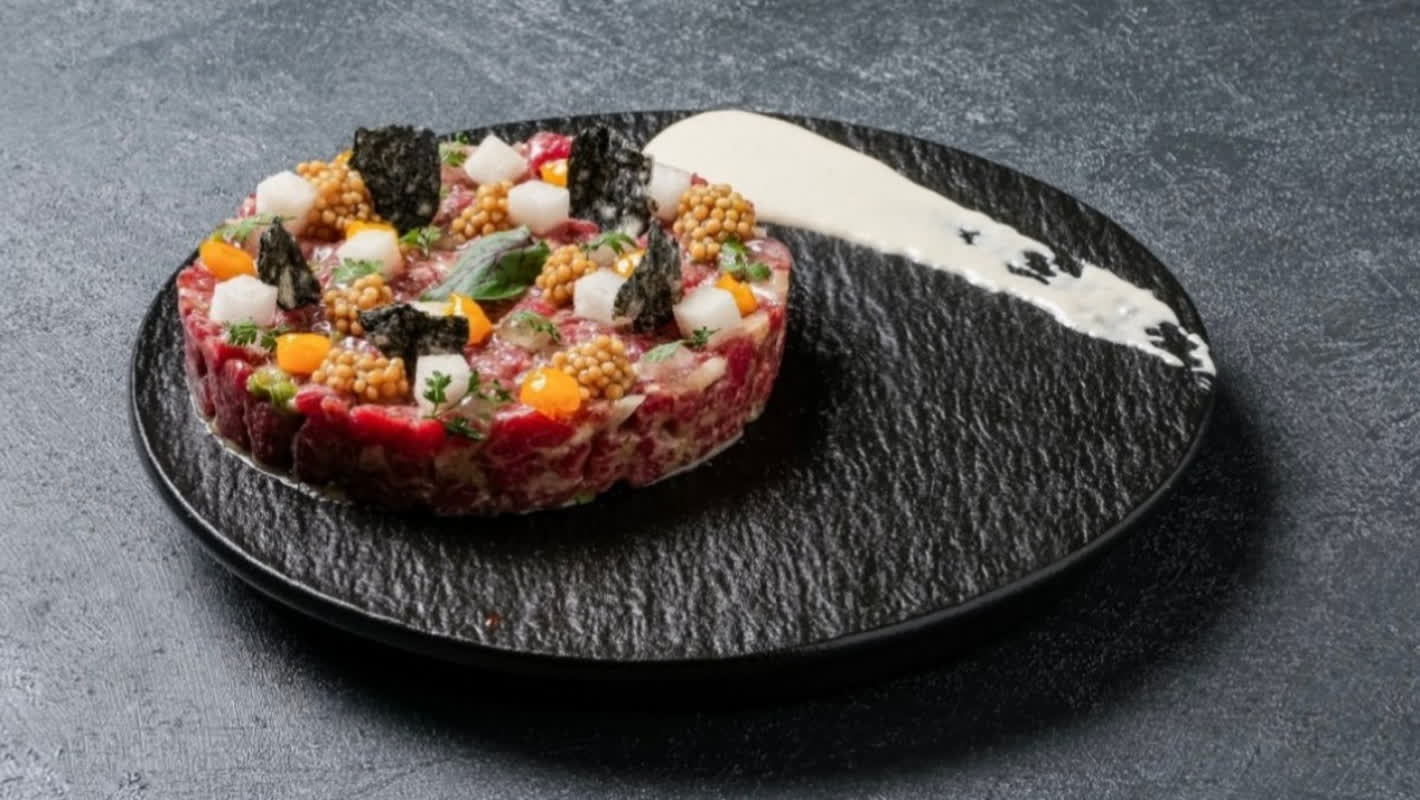
When March arrives and spring starts to unfurl, one of the first seasonal greens you’ll spot at markets and in fields is naengi (shepherd’s purse). Its bright, fragrant aroma perks up the appetite, and a simple dressed naengi dish can taste like spring on a plate. Lately, cooks have been swapping maesil extract (plum syrup) for honey in naengi salads, and the twist has been getting attention as a fresh, feel-good spring recipe.
Naengi is known for its fragrant scent and a gentle, pleasant bitterness. Young spring shoots are especially aromatic and tender, so they work beautifully in a range of dishes. While many recipes call for maesil extract to add a tart-sweet pop, honey brings a different, warmer sweetness that changes the flavor profile in a lovely way.
Why honey? Because it gives a natural, mellow sweetness. Maesil extract is tangy and bright, while honey lends a softer, deeper sweetness that balances naengi’s slight bitterness. For anyone turned off by the fermented tang of maesil, honey-seasoned naengi feels gentler and more approachable.
Honey has nutritional perks, too. It brings trace minerals and antioxidants, making it a wholesome, natural option. Many people turn to it as a simple, seasonal way to support immunity during spring’s changeable weather.
Naengi itself is a spring health hero. It’s rich in vitamins and minerals that help restore energy and ease fatigue—especially welcome after a long winter when vitamin intake can lag.
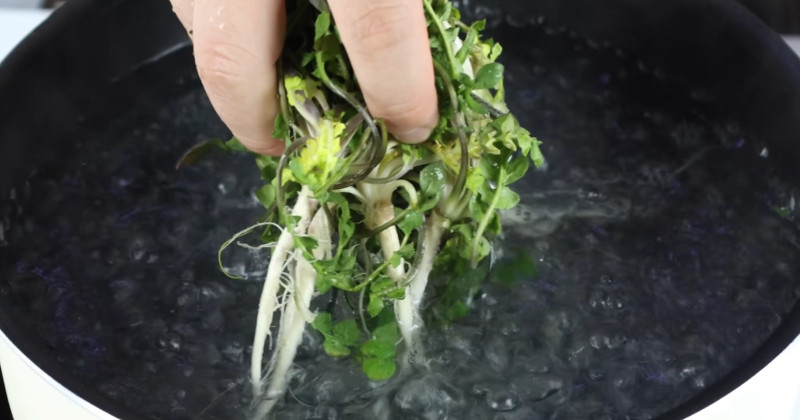
Start with fresh naengi when you make this dish. The roots often hold a lot of soil, so thorough cleaning is essential. Trim any dirty root tips, then rinse the greens several times under running water until all the grit is gone.
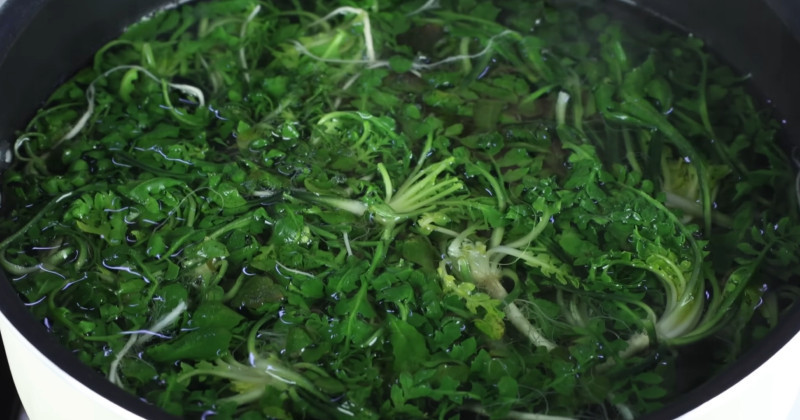
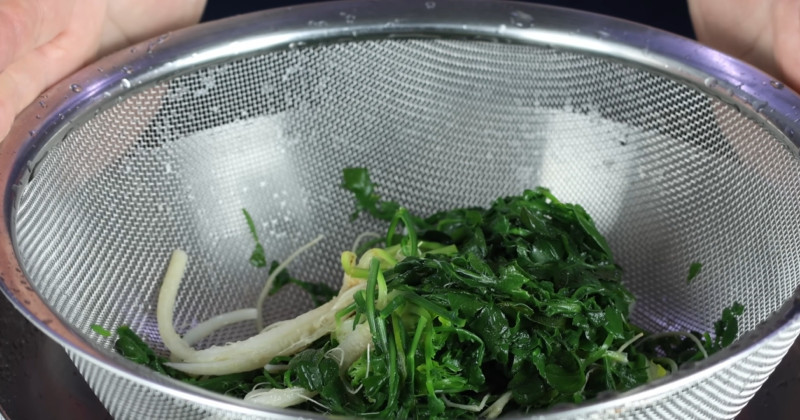
Give the cleaned naengi a quick blanch in boiling water. Adding a pinch of salt helps the greens keep a vivid color. Blanch for about 30 seconds to a minute—just long enough to soften but not wilt them.
Immediately plunge the blanched naengi into cold water to stop the cooking. This locks in color and crispness. Squeeze out the excess water gently, then cut the greens into bite-size lengths.
Now for the dressing. The honey-based sauce is simple: soy sauce, minced garlic, sesame oil, honey, and a touch of gochugaru (Korean red pepper flakes).
Start with one tablespoon of soy sauce in a bowl. Add 1/2 to 1 tablespoon of honey, adjusting to your taste. A little goes a long way—feel free to tweak the sweetness.
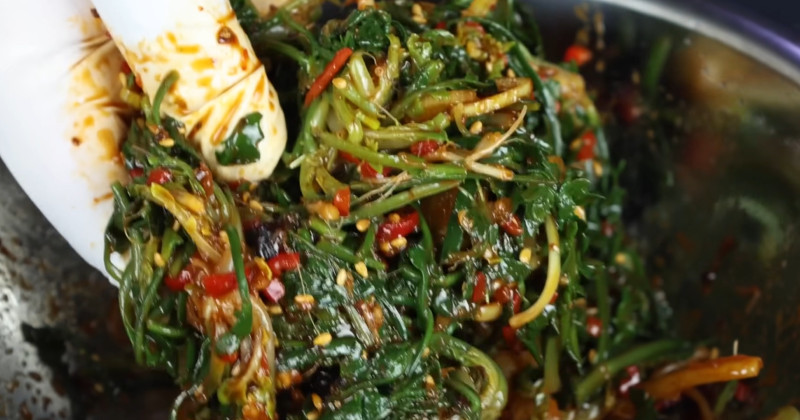
Add a bit of minced garlic and a light sprinkle of gochugaru for a gentle warmth—too much will overpower naengi’s aroma. Finish with about a teaspoon of sesame oil for that toasty, savory note.
Toss the dressing with the prepared naengi gently so the leaves don’t get crushed. A light hand keeps the texture intact. Top with toasted sesame seeds for extra crunch and nuttiness.
The biggest win with honey is balance: naengi’s subtle bitterness plays off honey’s smooth sweetness, creating an easy, inviting flavor that even people who usually avoid greens can enjoy.
Honey’s viscosity also helps the dressing cling to the leaves, so the flavor distributes evenly and tastes more rounded overall. Compared with maesil extract, honey gives a softer, deeper sweetness that feels more comforting than sharp.
Honey-dressed naengi pairs perfectly with warm rice. Pile it on a bowl and mix, or serve it alongside other spring greens for a seasonal spread that feels fresh and homey.
With growing interest in natural, whole-food cooking, swapping artificial sweeteners for honey has gained traction. Using nature’s sweetness lets the core flavors shine rather than masking them.
Naengi dressed with fragrant greens and a touch of honey is an ideal spring dish—simple, seasonal, and easy to make at home.
A plate of honey-naengi tastes like spring itself, an early signal that the season is changing. Swapping maesil extract for honey is a small tweak that brings a softer, deeper sweetness and a fresh vibe to your spring table.
Your daily personal horoscope report! How will your day go?