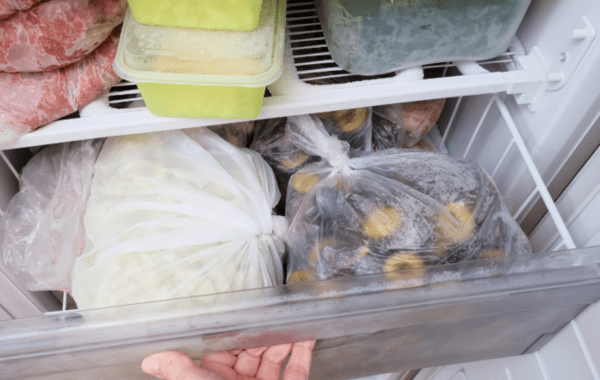
Freezing Can Backfire: 4 Foods You Shouldn't Freeze — and Why
Freezing is an easy go-to for stretching food’s life, but it’s not a one-size-fits-all solution. Some foods suffer structural or chemical changes when frozen, and that can seriously hurt flavor and quality. Fatty fried items, hard‑boiled eggs, yogurt, and cheese are prime examples.
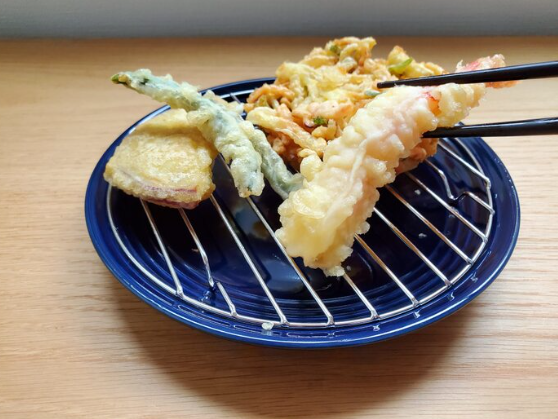
Fatty foods: fat oxidizes faster
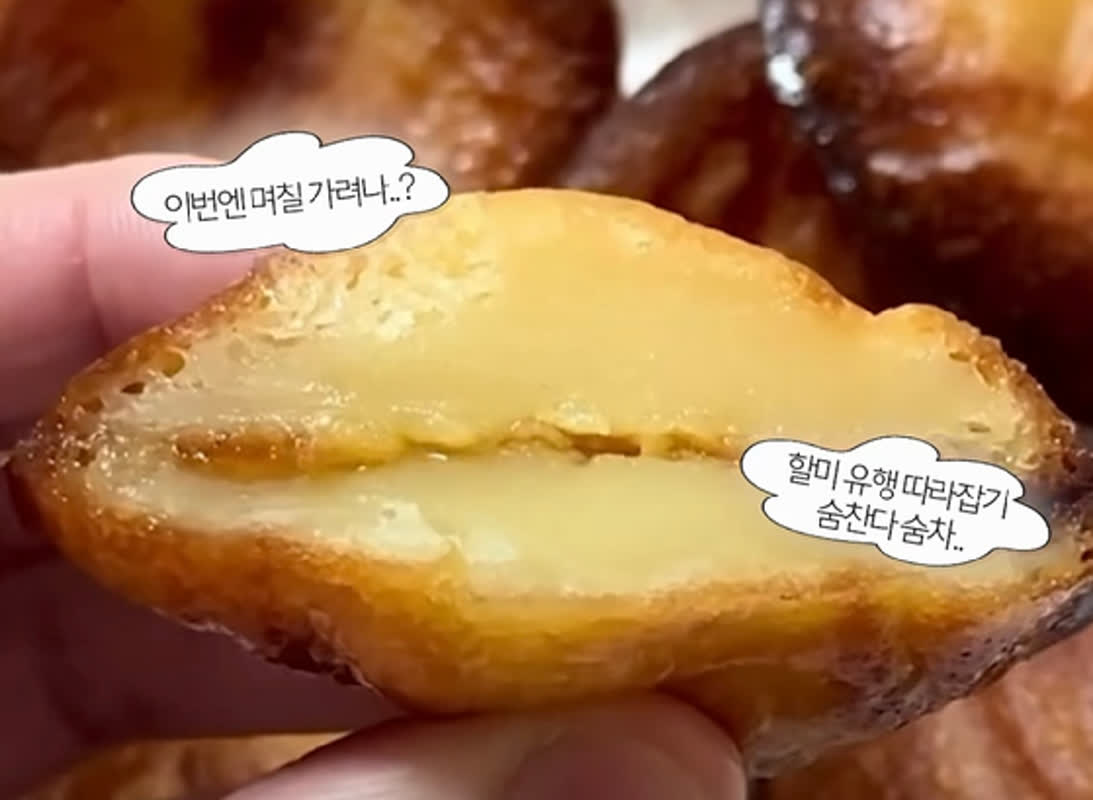
Fried and oily dishes can still undergo fat oxidation while frozen. After thawing, they tend to go soggy and sometimes pick up an off, rancid smell.
“Doesn't freezing preserve them instead?”
Freezing does slow microbial growth, but it doesn't stop the chemical reactions that make fats break down. Over time, taste declines noticeably.
Crisp turns to limp
Fried foods rely on the right mix of oil and moisture. When ice forms and then melts, that moisture drains away and the crunch you loved is replaced by sogginess.
“Can’t you just refry it?”
Re‑frying can revive the exterior, but the inside texture is often permanently altered.
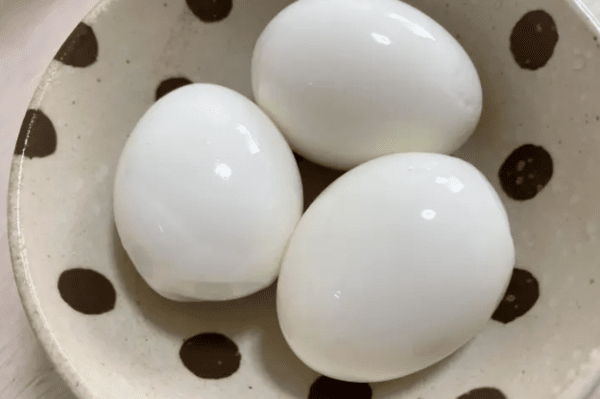
Hard‑boiled eggs: whites can turn rubbery
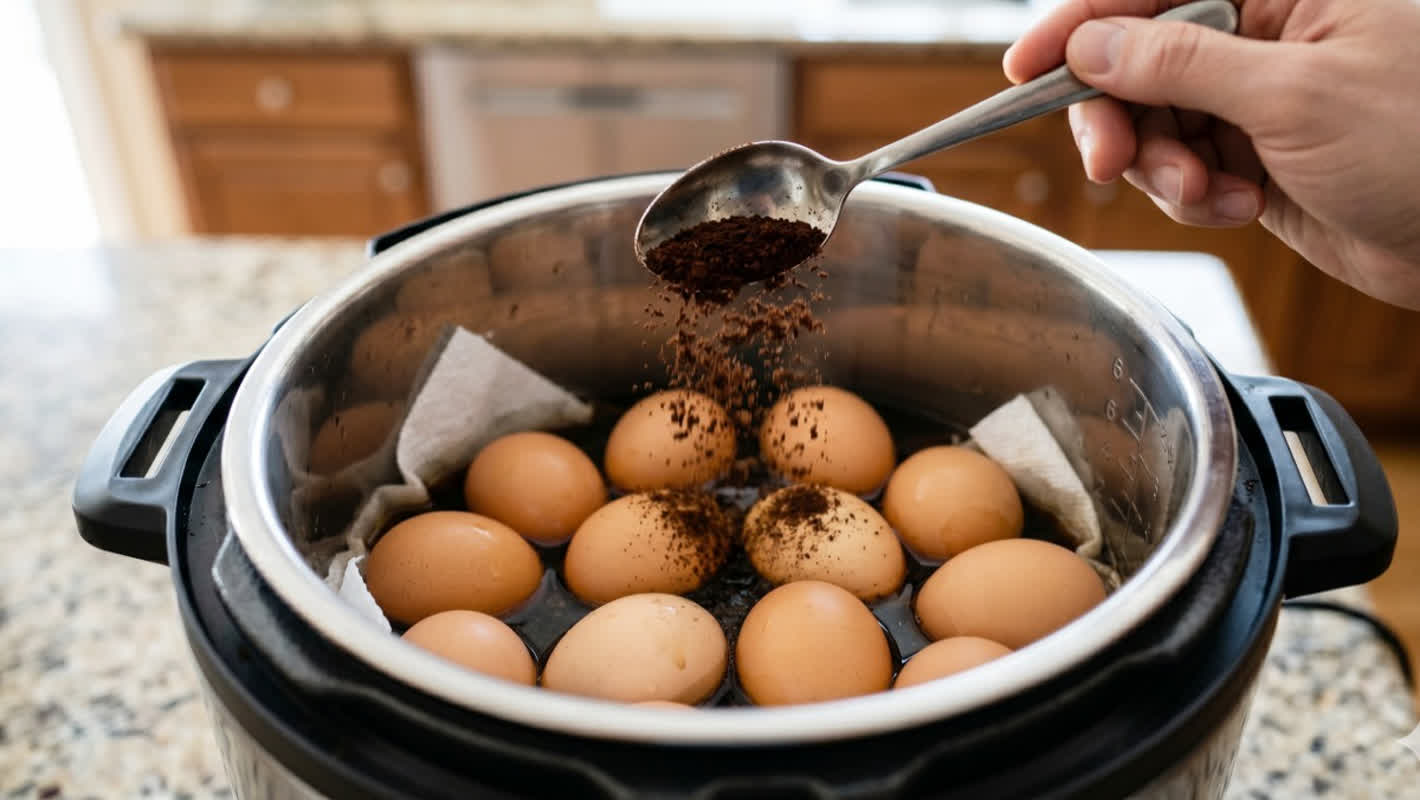
Freezing hard‑boiled eggs causes the water in the whites to crystallize and disrupt their structure. After thawing, the whites often become tough and oddly rubbery.
“What about the yolks?”
Yolks dry out and lose their creamy, smooth texture too.
Protein changes hit both taste and texture
Freezing can denature proteins, altering how an egg feels in your mouth.
“Does freezing reduce nutrition?”
Major nutrients remain largely intact, but the texture change can make the eating experience far less satisfying.
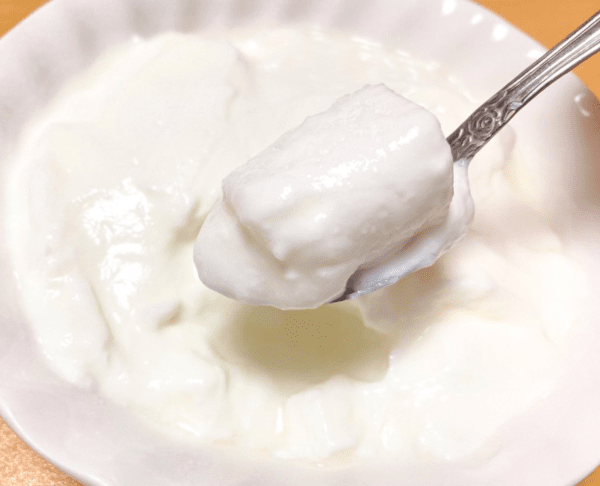
Yogurt: whey separates and texture collapses
When yogurt freezes, water separates out as ice and then leaves behind a watery layer when thawed.
“Can't you just stir it back together?”
Stirring helps a bit, but it rarely returns to that original silky, creamy texture. Yogurt often ends up grainy or slightly curdled.
Probiotic activity may drop
Some live cultures can lose activity during freezing.
“Is it still safe?”
Yes, it's safe to eat, but it might not deliver the probiotic benefits you expected.
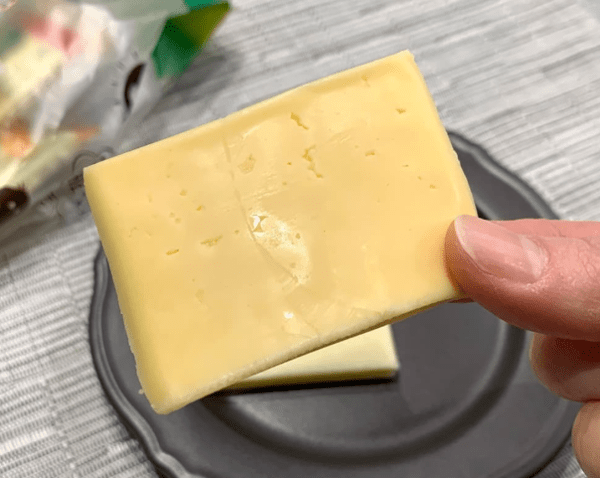
Cheese: fat and moisture separate, hurting quality
Freezing can make cheese crumbly by causing fat and water to part ways. Once thawed, textures often feel dry or mealy.
Does this affect all cheeses?
Softer cheeses show the biggest drop in quality. Even hard cheeses rarely snap back perfectly.
The melty, stretchy pull often fades
Cheese may lose that smooth melt and instead feel lumpy or clumpy.
“Will cooking fix it?”
Cooking can mask some issues, but it won't fully restore the original flavor and texture.
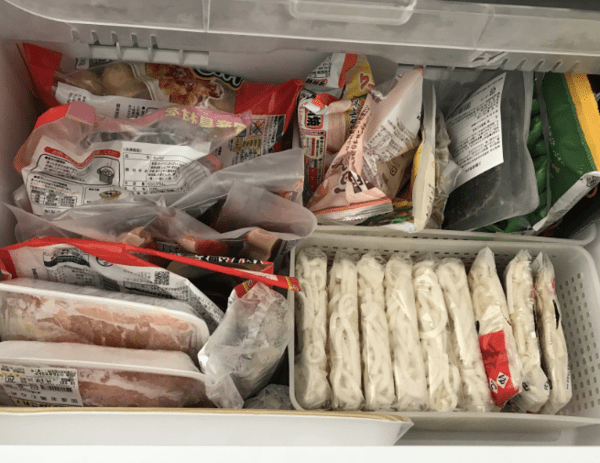
The bottom line: moisture and fat structures matter
All four of these foods depend on a delicate balance of moisture and fat. Freezing upsets that balance and can degrade quality.
So freezing isn’t always the answer.
Exactly. Different foods need different storage approaches — and the wrong method can cost you more than it saves.